What's inside
As an Amazon Associate I earn from qualifying purchases. This post may contain affiliate links at no extra cost to you.
For clear-coated stair parts, sapele is usually the more dramatic and harder-wearing choice. African mahogany is generally easier to machine, lighter in color, and often less expensive. Both can produce excellent handrails, newel posts, balusters, and trim, but they do not finish or behave exactly alike.
As an Amazon Associate we earn from qualifying purchases at no extra cost to you.


Our Top Picks
- Minwax Fast Drying Polyurethane Protective Wood FinishQuart4.1 x 4.1 x 5.1 inches1 PoundsCheck on Amazon
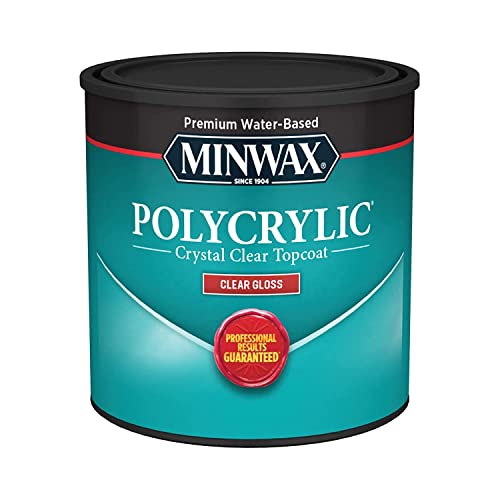 Minwax 1/2 pt 25555 Clear Polycrylic Water-Based Protective8 fl oz2.9 x 2.9 x 3 inches0.65 poundsCheck on Amazon
Sapele and African Mahogany Compared
| Characteristic | Sapele | African mahogany |
|---|---|---|
| Typical color | Pinkish brown to deep reddish brown | Tan, pinkish brown, or medium reddish brown |
| Grain | Often interlocked, striped, or ribbon-like | Usually straighter and more uniform |
| Hardness | About 1,500 Janka | Roughly 800–1,100 Janka, depending on species and board |
| Machining | Can tear out on interlocked grain | Generally easier to plane, rout, and sand |
| Clear-coat appearance | High contrast and noticeable figure | Calmer grain with a more traditional mahogany look |
| Typical cost | Usually higher | Often the better value |
Appearance Under a Clear Finish
Sapele is the better choice when the wood itself is meant to be the feature. Its interlocked grain can produce alternating light and dark bands, especially on handrails and wide newel components. Quarter-sawn or rift-sawn sapele may show a strong ribbon figure. That appearance is attractive, but it also makes repairs and replacement parts harder to match.
African mahogany is less visually busy. Straight-grained boards can look quietly elegant under clear varnish or polyurethane, and small color differences are less obvious from one stair part to the next. The name “African mahogany” covers several Khaya species and variable stock, so inspect actual samples rather than relying only on a species label.
Both woods darken and warm when clear coated. Test the complete finishing schedule on an offcut. A finish that looks nearly colorless in the can can add a noticeable amber or reddish cast to the wood.
Which Holds Up Better on Stairs?
Sapele is harder and more resistant to dents from shoes, moving furniture, and repeated hand contact. That matters most for handrails and exposed newel edges. It is not indestructible: sharp grit, grit under a hand, and impact at the end of a rail can still mark it.
African mahogany is softer, but that is not automatically a problem. It is perfectly serviceable for balusters, skirt boards, and lightly used residential stairs. A good film finish takes the daily abrasion; the wood does not need to be as hard as a stair tread. If the part is a handrail in a busy household, sapele earns its added cost more readily than it does on decorative balusters.
For actual stair treads, verify the supplier’s construction and local code requirements. A clear coat does not make a thin decorative board suitable for a structural tread.
Machining, Sanding, and Glue Joints
Sapele’s interlocked grain can tear out when routed or planed against the grain. Use sharp cutters, take light passes, and climb-cut only where you can control the tool safely. On profiles and handrails, a final pass of about 1/32 inch or less often gives a cleaner result than trying to remove a large amount in one cut.
Sand both species through 120, 150, and 180 grit for most clear-coated stair parts. Stop at 180 or 220 unless the finish manufacturer specifically recommends finer preparation. Over-sanding can burnish the surface and reduce finish adhesion, particularly on dense sapele. Vacuum thoroughly and wipe with a clean, lint-free cloth.
Freshly machined sapele can contain surface extractives that interfere with glue adhesion. For a glued handrail joint, expose fresh wood immediately before assembly, keep the joint tightly fitted, and use a quality woodworking adhesive rated for hardwoods. If the surface feels oily or the joint is end grain, wipe lightly with the adhesive maker’s recommended solvent and allow it to evaporate fully. Do not flood the joint with solvent, and do not substitute construction adhesive without checking its compatibility.
For stair repairs or replacement parts, these hardwood woodworking glues are a more appropriate starting point than general-purpose household glue.
Choosing the Clear Coat
Oil-based polyurethane adds warmth and gives both woods a durable film. It is forgiving during application, but it ambers noticeably and dries slowly. Allow at least 24 hours between coats in typical shop conditions, and longer if the room is cool or humid.
Water-based polyurethane preserves a lighter appearance and dries faster. It can make sapele look more contrasty and may raise the grain slightly on the first coat. Sand that first coat lightly with 220 grit after it has dried, then remove the dust before recoating. Choose a product rated for floors or heavy traffic when the finish will be used on a handrail or tread.
A hardwax oil is easier to repair locally and gives a less plastic-looking surface, but it generally offers less protection against standing water, abrasion, and repeated skin oils than a properly built film finish. It can work well on decorative balusters, but a busy handrail usually benefits from a tougher topcoat.
Use water-based floor polyurethane when keeping the wood light is important, or an oil-based polyurethane when warmth and forgiving application matter more. Apply three or four thin coats rather than two heavy coats. Heavy coats sag on profiled rails and can stay soft underneath.
Application Details That Prevent Problems
Finish every surface, including end grain, the underside of a handrail, and the cut ends of balusters. End grain absorbs finish unevenly and can show dark patches. Apply an extra sealing coat to exposed ends, but avoid leaving thick ridges where parts meet.
Do not coat wood that is damp, cold, or dusty. Aim for roughly 60–80°F and moderate humidity, unless the label specifies otherwise. A cloudy or milky water-based finish usually indicates moisture, excessive film thickness, or poor conditions. Fish-eyes and craters can result from wax, silicone, polish, or oily contamination; sanding harder will not remove contamination that remains in the wood.
Between coats, sand only enough to remove nibs and provide a mechanical key. If you sand through on a sharp profile, the repaired area may show a different sheen. Mask finished surfaces before installation, but do not leave painter’s tape on a fresh finish longer than necessary.
Which One Should You Buy?
Choose sapele for a prominent handrail or newel when you want stronger dent resistance and pronounced figure, and when the price premium is acceptable. Buy extra stock—about 10–15 percent for ordinary work, and more for figured or highly matched parts—because tear-out and color matching can consume usable material.
Choose African mahogany when the project needs a calmer appearance, easier machining, or several matching parts at a controlled cost. It is the sensible value choice for most residential balusters and decorative stair trim. In either case, buy from the same batch, inspect for sapwood and color variation, and finish a sample before committing to the entire staircase.
0 Comments