What's inside
As an Amazon Associate I earn from qualifying purchases. This post may contain affiliate links at no extra cost to you.
Sapele and African mahogany can both produce warm reddish-brown work, but they do not take dye or stain in exactly the same way. The biggest practical difference is grain: sapele often has interlocked, ribbon-like figure that can look dramatic after coloring, while African mahogany is usually more open-grained and visually quieter. Neither species has one predictable absorption rate. Board cut, pore structure, sanding, and the colorant all matter.
For a uniform color, test the actual board and finish schedule before treating a whole project. A scrap from the same board is more useful than a sample from a different piece of the same species.
As an Amazon Associate we earn from qualifying purchases at no extra cost to you.


Our Top Picks
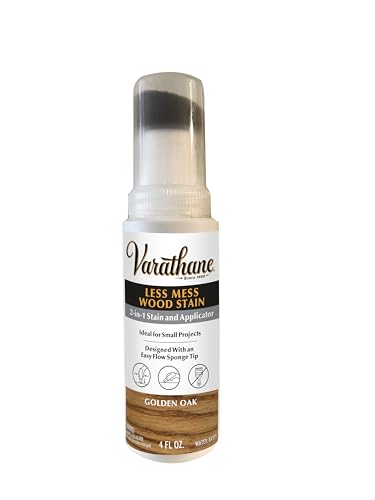 Varathane Less Mess Golden Oak Wood Stain &4 Ounce (Pack of 1)1.75 x 1.75 x 6.5 inches0.25 poundsCheck on Amazon


The wood you are buying
“African mahogany” is a trade name used for several related species, commonly Khaya species. Sapele is Entandrophragma cylindricum. Both are sold as mahogany substitutes, but their appearance and working behavior vary by source and cut. Sapele is often denser and more strongly figured; African mahogany is often lighter and more open-pored. Those are tendencies, not guarantees.
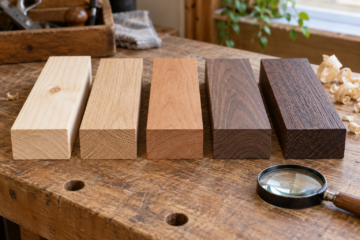
Check the face of the boards in raking light. Sapele’s interlocked grain can alternate between light and dark stripes as the surface changes direction. That figure may become more pronounced under dye or a clear finish, but it can also look uneven if the colorant highlights the stripes more than you wanted. African mahogany tends to show larger, more visible pores. A stain can settle in those pores and make them stand out.
How dye and stain behave
Dye colors wood by depositing color in or on the wood fibers; pigment stain leaves particles that lodge mainly in pores and surface texture. A dye often preserves figure better, while pigment stain can emphasize open grain. A combination product contains both, so it can color and mark the pores at once.
On either species, water-based dye can raise the grain. Wet the surface lightly with clean water, let it dry fully, then sand off the raised fibers before applying dye. Start around 150 grit and finish at 180 or 220, using the same final grit across the whole piece. Sanding much finer can reduce absorption and make the color lighter or less even, especially with a penetrating stain.
With sapele, a strongly contrasting dye may exaggerate the alternating grain and produce a striped look. With African mahogany, dark pigment stain can collect in the pores and leave a pronounced grain pattern. That may be desirable on furniture, but it is not a substitute for a smooth, filled surface. For a level, polished finish, apply a compatible grain filler before the clear coat; for a more natural look, leave the pores open.
Quick comparison
| Factor | Sapele | African mahogany |
|---|---|---|
| Typical visual effect | Pronounced ribbon or stripe figure, especially on quartersawn stock | Often more open, visible pores and a less striped appearance |
| Dye result | Can intensify figure; strong contrast may look uneven across grain | Often colors readily, though pores and board variation can affect uniformity |
| Pigment stain risk | Can mute figure or emphasize grain changes | Pigment may lodge heavily in open pores and look muddy if overapplied |
| Best first test | Try a light dye or a diluted stain on an offcut | Test stain strength and whether pore filling is needed |
A reliable test process
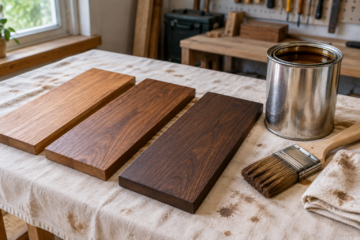
Cut test pieces from an offcut, ideally at least 3 by 6 inches, and prepare them exactly as you will prepare the project. Include the same sanding sequence, any water popping, conditioner, sealer, and topcoat. Test two or three color strengths rather than guessing from the color in the can. A stain that looks dark in its container may dry much lighter.
Apply stain in a thin, even coat and wipe it at the product’s stated interval. Leaving excess stain on the surface can cause tackiness, slow drying, or a blotchy film. Follow the label for drying time; cool, humid conditions can make the wait longer. Before adding another coat, check that the first is dry and not gummy. If using dye, mix only what you need and record the ratio so you can repeat it.
A water-based wood dye is a useful category to test when you want strong color without loading the pores with pigment. For a simpler, readily available approach, compare a penetrating oil-based wood stain on the same prepared offcuts. Do not assume the two will produce equivalent color, even when their labels show the same shade.
Common failures and fixes
Blotchy color: Uneven sanding, glue residue, or a change in grain direction can all prevent uniform absorption. Inspect joints under raking light; dried glue can repel stain and leave pale patches. Scrape or sand it away before coloring. If the wood still colors unevenly, test a compatible washcoat or conditioner, but expect it to reduce color depth as well as blotching.
Dark pores and muddy color: This is common when pigment stain is applied heavily, particularly on open-pored African mahogany. Wipe more thoroughly, use a lighter stain, or switch to dye and control the color with a compatible toner or tinted clear coat. For a smooth finish, fill the pores instead of trying to bury them under repeated stain coats.
Unexpected stripes: On figured sapele, a dark dye or stain can amplify the ribbon effect. Try a lighter shade or a less contrasting color on a sample. If you want a consistent painted or opaque finish, these species’ figure and pore structure offer little advantage; a less expensive, smoother substrate may be easier to prepare.
Which one to choose
Choose sapele when the board’s ribbon figure is part of the look and you are willing to test color on each board. A clear finish or restrained dye usually shows its character better than a heavy, dark pigment stain. Choose African mahogany when you want a familiar mahogany color and are comfortable with visible pores, or plan to fill them for a smoother finish.
If price is the deciding factor, the cheaper species is fine for many projects. The finish schedule and the quality of the specific boards matter more than the name on the rack. Buy enough stock to select for matching color and grain, keep offcuts for tests, and do not commit to a stain color until you have seen it under the same topcoat you plan to use.
0 Comments