What's inside
As an Amazon Associate I earn from qualifying purchases. This post may contain affiliate links at no extra cost to you.
Choosing between ipe and cumaru for an exterior oil finish is less about which wood is “better” and more about how much color retention, preparation time, and maintenance you want. Both are extremely dense South American hardwoods with excellent decay resistance. Both can last outdoors unfinished. The oil is mainly for appearance: it slows the gray weathering process and brings back the brown or reddish color, but it does not make either species maintenance-free.
As an Amazon Associate we earn from qualifying purchases at no extra cost to you.


Our Top Picks
 Penofin Deep Penetrating Oil Treatment for Exotic HardwoodOne Size7 x 7 x 8 inches0.01 poundsCheck on Amazon
The Basic Difference
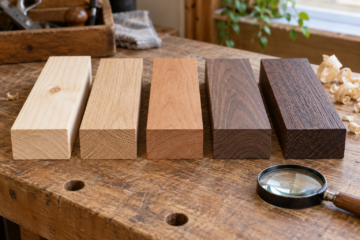
Ipe is typically darker, heavier, and more uniform. Freshly sanded ipe ranges from olive brown to deep chocolate brown, often with subtle green or reddish tones. Cumaru is usually lighter and more varied, with golden brown, orange, and reddish coloring. Cumaru can look more dramatic from board to board, while ipe tends to produce a quieter, more consistent surface.
| Feature | Ipe | Cumaru |
|---|---|---|
| Typical appearance | Dark brown, olive, relatively uniform | Golden to reddish brown, more variation |
| Hardness and density | Extremely hard and heavy | Extremely hard and heavy, usually a little easier to work |
| Decay resistance | Excellent | Excellent |
| Oil absorption | Low; excess oil commonly sits on the surface | Low; usually absorbs somewhat more readily |
| Price | Usually higher | Often lower |
| Weathering without oil | Silvers and eventually grays | Silvers and eventually grays |
Prices vary by region and board quality, but cumaru is often the sensible choice when the project has a large square footage and the goal is a finished outdoor surface rather than a premium, uniform appearance. If the boards are already installed, the difference in oil cost may matter more than the species price.
Choose the Right Oil
Use an exterior penetrating oil made for dense hardwood decking, siding, furniture, or similar outdoor applications. Look for a product that specifically lists ipe, cumaru, exotic hardwoods, or dense tropical hardwoods on the label. A penetrating oil with pigment generally protects color better than a clear oil, because pigment helps block ultraviolet light.
Clear oils can make freshly sanded wood look rich for a short time, but they usually do little to prevent silvering. “Natural,” “teak,” and “mahogany” colors can produce very different results on these species, so test first. A penetrating exterior hardwood oil is the appropriate product category; avoid assuming that any generic boiled linseed oil or indoor furniture oil will perform the same way.
Film-forming varnishes and standard exterior polyurethane are risky choices on horizontal ipe or cumaru. Seasonal movement, standing water, foot traffic, and difficult recoating can lead to peeling or patchy failure. An oil that wears gradually is easier to maintain than a coating that flakes in sheets.
Surface Preparation Matters More Than the Species
New boards often have mill glaze, machining marks, or a smooth surface that limits absorption. On a deck, sand with an exterior-rated floor or random-orbit sander, typically finishing at 80 grit. Going much finer can polish the surface and leave oil sitting on top. For vertical siding or small furniture, 80 to 100 grit is a practical range.
Do not sand a dirty deck and then apply oil over the sanding dust. Sweep thoroughly, then wash with a hardwood-safe cleaner. If the wood has weathered gray, use an exterior wood brightener after cleaning if the product instructions allow it. Brighteners commonly contain oxalic acid and can remove gray oxidation and some rust staining, but they are not substitutes for removing old finish.
After washing, allow the wood to dry completely. Depending on sun, temperature, and ventilation, that can take 24 to 72 hours. The surface should be clean, dry, and free of dust. Do not oil when rain is expected, when the boards are hot enough to dry the product instantly, or when overnight temperatures are likely to create condensation.
Application Procedure
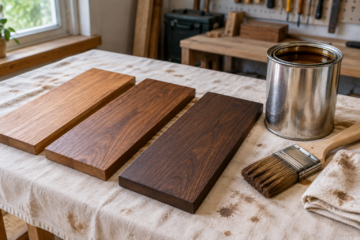
Stir the oil thoroughly, including pigment that has settled at the bottom. Apply a thin, even coat with a pad, brush, or short-nap roller, working a few boards at a time. Dense hardwoods often need less product than expected. Allow the oil to penetrate for approximately 10 to 20 minutes, or follow the label, then wipe off every wet residue with clean rags.
Leaving excess oil on the surface is the most common failure. It creates shiny spots, sticky areas, lap marks, and dirt-attracting patches. If the surface still looks wet after the stated penetration time, wipe again. Keep a separate container for used rags, and handle oily rags as a fire hazard. Lay them flat outdoors to dry safely or place them in a proper water-filled metal container.
A second coat is not automatically better. Some products require one coat, while others permit a second coat after several hours or the next day. Follow the product instructions. Applying a second coat too soon can leave the finish soft; applying it after the first coat has fully cured may reduce penetration.
Ipe Versus Cumaru in Maintenance
Ipe usually shows oiling mistakes clearly because its dark, even color reveals shiny streaks and lap marks. It also has very low porosity, so wiping discipline is especially important. Cumaru can hide minor variation better, but its natural color variation can make a uniform stain color difficult to achieve.
Expect to inspect an oiled horizontal surface every six to twelve months. Sunny decks, pool surrounds, and uncovered stairs may need attention sooner. Recoat when the color has faded and water no longer beads consistently, rather than applying a new layer on a fixed calendar. Clean first, let the wood dry, and apply a thin maintenance coat.
For cleaning supplies, use a hardwood-safe exterior deck cleaner, not a strong chlorine solution or an aggressive pressure-washing routine. If you use a pressure washer, keep the pressure modest, maintain distance, and avoid cutting soft streaks into the wood. A stiff nylon brush is safer for most maintenance work.
Which One Should You Buy?
Choose ipe if you want the darkest, most consistent appearance, can accept a higher material cost, and are prepared to wipe oil carefully. It is a strong choice for a prominent deck or furniture project where the color and density justify the price.
Choose cumaru if you want excellent outdoor durability at a lower cost and do not mind more color variation. For a large deck, fence, or screened porch, cumaru is often the better value. It does not need a premium oil to remain durable; the oil decision is primarily about preserving appearance.
For either species, buy enough deck oil applicators and finishing brushes to keep a wet edge, and test the complete preparation and finish schedule on an offcut. That small test will show the actual color, absorption, drying time, and risk of a sticky surface before the mistake covers the entire project.
0 Comments