What's inside
As an Amazon Associate I earn from qualifying purchases. This post may contain affiliate links at no extra cost to you.
Douglas fir and redwood can both take transparent exterior finishes, but they make different bets. Fir is usually the less expensive, stronger structural choice; redwood is more naturally durable and generally easier to keep looking good outdoors. Neither species makes clear finish maintenance-free. Sunlight breaks down exposed wood fibers, and a transparent coating needs regular inspection and renewal.
As an Amazon Associate we earn from qualifying purchases at no extra cost to you.


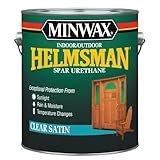
Our Top Picks
 SaverSystems #1 Deck Premium Semi-Transparent Outdoor Wood Stain1 Gallon7 x 3 x 12 inchesCheck on Amazon

At a glance
| Factor | Douglas fir | Redwood |
|---|---|---|
| Typical advantage | Lower cost and good strength | Natural decay resistance, especially heartwood |
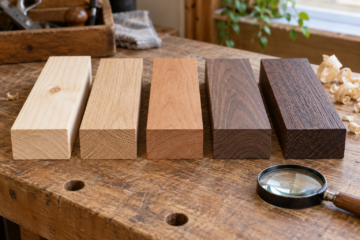
| Appearance | Pale cream to pinkish brown; often noticeable grain contrast | Ranges from pale sapwood to reddish-brown heartwood |
| Finish challenge | Can absorb unevenly; earlywood and latewood may show different color | Heartwood extractives can discolor or interfere with some coatings |
| Best fit | Sheltered trim, doors, or projects where cost and strength matter | Exposed siding, trim, or outdoor details where durability matters |
| Clear-finish upkeep | Frequent checks and renewal, particularly in direct sun | Still needs maintenance; direct sun and rain shorten coating life |
Durability: heartwood matters more than the label
Redwood’s reputation for outdoor durability applies mainly to its heartwood. Its pale sapwood is much less resistant to decay, so a board with a mix of sapwood and heartwood does not perform like all-heartwood material. Ask what grade and heartwood content you are buying, and inspect the actual boards if appearance and exposure matter.
Douglas fir is not a substitute for naturally durable redwood in persistently wet locations. It can work well outdoors when kept dry by good design: use flashing, maintain clearance from soil and standing water, seal end grain, and allow the assembly to drain. If the wood will stay wet or contact the ground, choose a material rated for that use rather than relying on a clear finish to protect it.
Appearance and transparent finishes
Fir is lighter, so a clear coating often preserves a pale, warm appearance, though it can amber with age. Its grain has strong earlywood and latewood bands. A clear film may emphasize those stripes, and a penetrating finish can color the softer earlywood more deeply. Test the finish on an offcut from the same boards; a sample of another fir board may take it differently.
Redwood has more built-in color, but boards vary. Clear finishes tend to deepen the red and brown tones; they will not keep redwood looking freshly milled forever. Sunlight fades and shifts color, while water can leave dark marks. Some redwood contains extractives that can bleed or stain a coating, especially where moisture reaches the surface. Follow the finish maker’s directions for redwood and test before coating the whole job.
For either species, a transparent film-forming varnish can look rich but may peel or crack as weather and wood movement wear it. Scraping and sanding failed film off is more work than renewing a penetrating oil or stain. A UV-resistant exterior clear wood finish is worth considering for sheltered work, but “UV-resistant” does not mean UV-proof. In full sun, clear coatings generally need more frequent attention than pigmented finishes.
What to buy for the job
Choose redwood when the project is exposed to weather and you can get suitable heartwood at a price you accept. Choose fir when it is protected by an overhang, cost is a priority, or strength is important—and the assembly can shed water. For a south- or west-facing wall, or a railing that gets full sun and rain, consider whether a lightly pigmented transparent stain is a better compromise than completely clear finish. Pigment improves UV protection, though it changes the wood’s color.
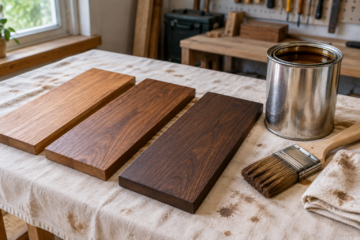
Look for an exterior product explicitly labeled for the surface and exposure. If you want the grain visible, compare clear and semitransparent options on scrap rather than relying on the label. A semtransparent exterior wood stain adds color and can reduce sun damage compared with a clear coating. Check the label for recoat intervals, compatible primers, and whether the product is penetrating or film-forming.
Preparation and application
Start with dry, clean wood. Many exterior coatings call for moisture content around 15% or lower, but use the product label’s limit; a moisture meter is more reliable than guessing from the weather. Let new wood dry if it is still damp, and remove mill glaze or weathered fibers as directed. Sand evenly, typically finishing around 80–120 grit for many penetrating finishes; sanding too fine can reduce absorption. Follow the finish maker’s instructions, since recommended grit varies.
Round sharp edges slightly so the coating does not pull thin over them, and coat end grain carefully. Apply a test patch in an inconspicuous spot. On fir, watch for blotchy color or uneven absorption. On redwood, look for discoloration, especially near knots or wet areas. Do not apply more product than the label allows: heavy coats of penetrating finish can remain tacky, while thick clear films are more likely to fail as wood moves.
A wood moisture meter helps confirm the surface is ready. Apply within the temperature and weather window on the can, and protect the work from rain until the coating has cured. End-grain sealer can also help limit water entry at cut ends; use a product compatible with the finish system.
Maintenance and common failures
Inspect the finish at least once a year and after harsh weather. Fading, water no longer beading, hairline cracks, and rough or gray patches are signs to act before a coating peels. Clean and renew a penetrating finish while it is still mostly sound. For a failing film finish, remove loose coating and feather the edges; simply brushing a new coat over peeling areas traps the problem underneath.
Neither species will stay maintenance-free under a transparent exterior finish. Redwood may buy you more durability against decay when you select heartwood, but the coating still takes the sun and rain. Fir can be the sensible cheaper choice on sheltered work, provided you keep water out and accept closer inspection. If you are unwilling to recoat regularly, use an opaque paint or siding product instead of expecting a clear finish to do the job.
0 Comments