What's inside
As an Amazon Associate I earn from qualifying purchases. This post may contain affiliate links at no extra cost to you.
Cypress and redwood are both naturally durable softwoods used outdoors, and both can look good under an exterior oil finish. Neither is maintenance-free. The better choice depends on what the boards will be exposed to, how consistently you can maintain the finish, and whether the lumber is clear or knotty. For most projects, sound, dry stock and careful preparation matter more than a small difference between species.
As an Amazon Associate we earn from qualifying purchases at no extra cost to you.


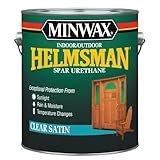

What an exterior oil finish does
Penetrating oil finishes soak into the wood rather than forming a thick film. They can deepen the grain and make future upkeep simpler: when the finish wears, you can often clean the surface and apply another coat without stripping peeling paint. But oil does not make wood waterproof, stop all UV damage, or prevent checking. Sun and rain gradually break down both the finish and the wood surface.
Check the product label before buying. “Exterior oil” can mean a penetrating oil, a tinted stain-oil blend, or a film-forming product. For siding, trim, or furniture, a pigmented penetrating finish is usually more protective against UV than a clear one. A clear finish can look natural at first, but expect more frequent upkeep in full sun. A pigmented exterior penetrating oil is a practical starting point when color is acceptable.
Cypress vs. redwood
| Factor | Cypress | Redwood |
|---|---|---|
| Natural durability | Heartwood is naturally decay-resistant; sapwood is less durable. | Heartwood is naturally decay-resistant; pale sapwood is less durable. |
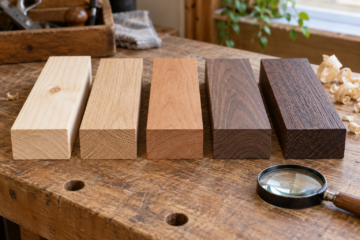
| Typical appearance | Light yellow-brown to honey tones, with visible grain and knots in common grades. | Ranges from pale pink to deep red-brown; clear grades can have a fine, even look. |
| Oil finish result | Oil warms the color and can highlight the grain; uneven absorption is possible. | Oil deepens the red tones; clear finish may fade in strong sun. |
| Buying trade-off | Often a sensible choice where locally available and priced well. | Can cost more, especially in clear grades; local supply varies. |
Durability depends on the board, not just its species name. Heartwood is the darker, inner wood; sapwood is the lighter outer wood. A board with substantial sapwood may not resist decay as well as heartwood of the same species. Ask the supplier about grade and heartwood content, and avoid boards with soft, damaged areas or end checks that extend far into the piece.
For a deck, fence, or outdoor bench where knots and color variation are acceptable, cypress is often the more economical buy if it is readily available. Redwood makes sense when its color, appearance, or regional availability justifies the extra cost. A higher grade is not automatically better outdoors if it leaves you paying for clear, knot-free appearance that the project does not need.
Choose by exposure and appearance
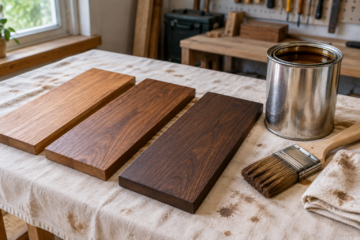
On a shaded porch or protected furniture, either species can perform well with a suitable finish and routine inspection. On a horizontal surface in direct sun and rain, expect faster wear, especially on the exposed top faces and edges. A tinted product will generally offer better UV protection than a clear one, but it changes the wood’s color. Test the finish on an offcut from the actual boards; redwood and cypress can both darken more than expected.
Oil is a poor fix for bad construction. Keep boards clear of standing water, provide drainage and ventilation, and seal or protect end grain according to the finish maker’s directions. End grain absorbs moisture quickly, so unprotected cut ends can check and deteriorate even when the broad faces look sound.
Preparation and application
Start with clean, dry wood. Follow the finish label for its moisture limit; as a general target, many exterior finishes are applied when wood moisture is around 15% or lower. Do not oil boards that are wet from rain or washing. If the wood is new and smooth, a light sanding with 80- to 120-grit paper can open the surface without polishing it. Sanding too fine may reduce absorption. Remove dust, and do not use a cleaner or brightener unless it is suitable for the species and fully rinsed and dried.
On a sample, apply the oil at the label’s stated coverage and wipe off excess if directed. Pooled oil can dry sticky, shiny, or uneven. Work in manageable sections and follow the stated temperature and drying-time limits; cool, damp weather can slow curing. Never leave oil-soaked rags crumpled: they can heat up and ignite. Lay them flat outdoors to dry safely or store them submerged in water in a closed metal container before disposal, following local rules.
For a first-time job, a wood moisture meter can help confirm that the boards are ready. It is not essential for a small, sheltered project if the lumber has been stored dry, but it is useful when timing a larger job after rain or washing.
Maintenance and common failures
Inspect once or twice a year, especially after winter. When water no longer beads in exposed areas, or the wood looks dry and faded, clean the surface and apply maintenance oil as the product directs. Depending on sunlight, rain, orientation, and pigment, upkeep may be needed every 1–3 years; sheltered, pigmented surfaces can last longer, while clear finishes on sun-facing boards often need attention sooner. Treat that range as a planning estimate, not a guarantee.
If the surface turns black or blotchy, look for mildew, trapped moisture, metal staining, or a finish applied over dirt rather than assuming the species is at fault. If oil stays tacky, too much may have been left on, or the weather may have been too cold or damp. Clean and correct the problem using the manufacturer’s instructions before recoating; adding another layer over a failed one usually makes the cleanup harder.
Choose cypress when local pricing and heartwood content are good and you want a practical outdoor material. Choose redwood when its color or clear appearance matters enough to pay for it. In either case, use a compatible, preferably pigmented exterior oil for stronger UV protection, test the color first, and plan for periodic maintenance. A wood cleaner intended for exterior surfaces is useful for routine prep, but do not coat over residue or let cleaning water soak into the boards.
0 Comments