What's inside
As an Amazon Associate I earn from qualifying purchases. This post may contain affiliate links at no extra cost to you.
Hickory and hard maple can both take a satin-clear finish, but they produce very different-looking cabinets. Hickory is the choice for visible grain, strong color variation and a rustic-to-lively appearance. Hard maple is quieter and more uniform, with a tighter grain that can look clean and contemporary. Neither is automatically easier to finish: maple is especially prone to blotching, while hickory’s contrasting grain and color remain prominent under clear coat.
As an Amazon Associate we earn from qualifying purchases at no extra cost to you.

Our Top Picks
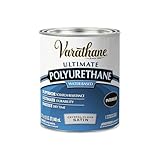
 Varathane Triple Thick Polyurethane Satin Wood Finish1 Quart (Pack of 1)4.25 x 4.25 x 5 inches0.9 poundsCheck on Amazon
 1 gal Minwax 13333 Clear Polycrylic Water-Based Protective128 fl oz6.88 x 4.25 x 7.88 inches2.2 poundsCheck on Amazon
What satin clear will show
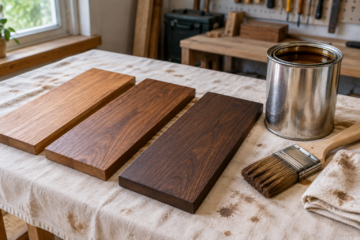
A satin sheen softens reflections; it does not hide grain, mineral streaks or color differences. Clear finish usually warms both species somewhat, and the exact shift depends on the finish. Water-based products tend to stay clearer, while many oil-based finishes add more amber tone. Test the actual finish on cabinet-door samples before ordering a full kitchen.
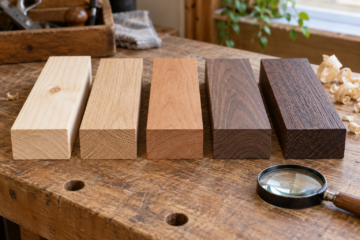
Hickory has marked differences between light sapwood and darker heartwood, often within the same board. That variation carries across a run of doors, so a kitchen may look intentionally varied—or visually busy. Hard maple is generally pale and consistent, though it can still show mineral streaks, subtle grain and occasional color variation. Choose boards and doors as a group rather than judging one sample.
Hickory vs. hard maple at a glance
| Factor | Hickory | Hard maple |
|---|---|---|
| Appearance under clear finish | Bold grain and high light-to-dark contrast | Pale, restrained grain; usually more uniform |
| Finishing concern | Color variation remains obvious; hard, dense stock can be demanding to sand | Can blotch, especially with stain; smooth surface can make adhesion prep important |
| Cabinet use | Hard-wearing, but pronounced variation needs careful door selection | Hard-wearing and well suited to a clean, consistent look |
| Best reason to choose it | You want the wood itself to be a major design feature | You want a quieter natural finish and are willing to test the clear coat |
Durability and cabinet construction
Both are hard, durable hardwoods suitable for cabinet doors and face frames. Hard maple is commonly listed around 1,450 lbf on the Janka hardness scale; hickory is around 1,880 lbf. Those figures describe resistance to denting, not a guarantee against damage. Door edges, corners and finish can still take knocks, and either species can be scratched.
Hickory’s density can make machining less forgiving: dull cutters may burn or leave rough areas, and sharp tools matter. Maple is hard too, and its smooth, tight surface rewards even machining and sanding. For either wood, inspect doors for glue squeeze-out, scratches and burn marks before finishing; clear coat can make defects more visible rather than conceal them.
Choosing the clear finish
For a satin-clear kitchen, consider a cabinet-rated clear coat rather than a general-purpose furniture finish. Waterborne acrylic or polyurethane is a practical category when keeping maple pale is important. A compatible oil-based finish can suit hickory if a warmer tone is wanted, but compare cured samples: the color change is part of the decision, not a minor detail.
Check the product label for interior cabinet use, required coats, recoat times and compatible primers or sealers. Satin products can show uneven sheen if they are not mixed as directed or applied inconsistently. Stir thoroughly without whipping in bubbles, maintain a wet edge, and follow the manufacturer’s spread-rate guidance. A water-based satin cabinet clear coat is worth comparing when you want less ambering; verify that the selected product is intended for cabinetry.
Clear finish does not make either species waterproof. Wipe spills promptly, particularly around sinks and dishwashers, and follow the maker’s cure-time instructions before regular use. A coating may feel dry well before it reaches full hardness.
Sanding and finishing without surprises
Sand evenly and stop at the grit recommended by the finish maker; for many cabinet clear coats, the final sanding step is in the 150–180 range. Going much finer can burnish dense wood and reduce mechanical grip. Use a random-orbit sander on broad panels, then hand-sand with the grain where the finish will reveal cross-grain marks. Check edges and profiles by touch, and remove dust without leaving oily residue.
Maple is the greater risk if you plan to add stain: uneven absorption can leave dark patches, especially on broad, flat surfaces. Test the full process on the same maple used for the doors, including sanding and any conditioner or sealer. A clear-only finish avoids stain blotching, but it will not make all maple boards identical. Hickory generally makes color variation part of the design, so stain is often unnecessary; a test still matters because clear coat can intensify contrast.
For either species, coat a spare door or a representative offcut with the intended number of coats. View it in the kitchen’s daylight and evening lighting. Look for raised grain, sanding scratches, lap marks and uneven sheen. If you need abrasives, 180-grit sanding sponges can help with profiles and between-coat touch-ups, but use the grit and method specified for the coating. Sand lightly between coats only when directed, and avoid cutting through at edges.
Which one should you buy?
Choose hard maple if you want pale, relatively calm cabinetry and a clear finish that does not compete with other kitchen materials. It is the safer visual choice for a restrained look, but do not assume every maple door will match; ask the cabinetmaker to confirm how boards and doors will be selected, and inspect a finished sample for blotching or unwanted amber tone.
Choose hickory if you want strong natural variation and are comfortable with some doors being much lighter or darker than others. It can be an excellent value when the variation suits the room; paying more for tightly matched boards may not be worthwhile if a mixed, rustic appearance is the goal. If visual consistency matters most, request door photos or a matched sample group before committing rather than relying on a small wood swatch.
0 Comments