What's inside
As an Amazon Associate I earn from qualifying purchases. This post may contain affiliate links at no extra cost to you.
Our Top Picks
 Mohawk Industries BCK27-HIC 5" Wide Engineered Hardwood Flooring5 inches1 x 1 x 1 inches34 poundsCheck on Amazon
 Varathane Water-Based Ultimate Satin PolyurethaneHalf Pint (Pack of 1)3 x 3 x 3 inches0.64 poundsCheck on Amazon
Choosing Between Hickory and Hard Maple
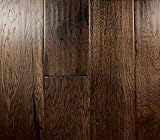
Hickory and hard maple are both strong, pale hardwoods that can look excellent under a clear finish. Neither needs stain to look finished, but they produce very different results. Hard maple gives a cleaner, more uniform appearance with fine pores and subtle grain. Hickory has stronger contrast, more movement, and a rustic look created by its dramatic grain and frequent color changes.
For a light, contemporary project where the wood itself should stay in the background, hard maple is usually the safer choice. For cabinets, tables, benches, or furniture where you want visible character and a tougher-looking surface, hickory is often more satisfying. The choice also affects milling, sanding, glue joints, and the type of clear coat that looks best.
As an Amazon Associate we earn from qualifying purchases at no extra cost to you.


Appearance and Natural Color
Hard maple is typically cream to pale tan, sometimes with a slight reddish or gray cast. Its grain is usually straight, although curly and figured boards are available. The pores are small and closed-looking, so a clear finish produces a relatively smooth, even field with limited grain contrast.
Hickory ranges from pale cream sapwood to medium brown heartwood. A single board may contain both colors, and adjacent boards can look noticeably different. Its grain is generally more pronounced and can be straight, wavy, or irregular. That variation is part of the appeal, but it makes hickory harder to use when you want a consistent, furniture-grade color.
A water-based clear coat keeps both species relatively light. Oil-based polyurethane adds amber color, especially as it ages. On maple, that warmth can be attractive, but it may also emphasize small color differences. On hickory, ambering can make the brown heartwood richer while pushing the pale sapwood toward yellow.
| Factor | Hard maple | Hickory |
|---|---|---|
| Typical appearance | Clean, pale, fine-grained | High contrast, bold grain, rustic |
| Hardness | About 1,450 lbf on the Janka scale | About 1,880 lbf on the Janka scale |
| Machining | Hard but comparatively predictable | Very hard; can tear out and dull tools quickly |
| Color consistency | Generally good | Often highly variable |
| Best clear-finish style | Thin, smooth satin or matte film | Satin film that lets grain variation remain visible |
Durability and Everyday Use
Hickory is harder than hard maple and resists dents well. That makes it a strong choice for heavily used floors, workbenches, kitchen parts, and table surfaces. Hard maple is also exceptionally durable and is more than adequate for most household furniture, cabinets, shelving, and cutting-board applications.
The hardness numbers do not tell the whole story. Hickory’s interlocking or irregular grain can make it more difficult to machine cleanly, and movement between pale and dark areas may be visually distracting after a repair. Maple is easier to make look uniform, particularly when several boards are joined into a wide panel.
Neither species should be selected as a substitute for a proper exterior wood. Clear finish slows moisture exchange but does not make interior hardwood weatherproof. For outdoor work, use a species and coating system designed for exterior exposure.
Sanding and Surface Preparation
Both woods show scratches clearly under a clear coat. Sand flat with a random-orbit sander, progressing through 80, 120, and 150 grit. On hard maple, stop at 180 grit if the surface will receive a film finish and you want a smoother feel. On hickory, 150 or 180 grit is usually enough; polishing much finer can reduce finish adhesion and make the surface look unevenly reflective.
Do not rely on a coarse sanding scratch pattern to hide defects. Deep cross-grain scratches often become more visible after the first coat. Inspect under raking light and remove dust with a vacuum followed by a clean, slightly damp microfiber cloth. Avoid soaking the surface, particularly on glued panels.
Hard maple can burnish if sanded aggressively with a dull abrasive. Burnished spots may resist water-based finishes and appear lighter or shinier than surrounding areas. Replace discs regularly and keep the sander moving. Hickory is less likely to look uniformly burnished, but it can tear out around knots and reversing grain. A sharp hand plane or light card-scraper pass may be safer than aggressive sanding in those areas.
Choosing the Clear Coat
For the lightest natural color, use a water-based polyurethane in clear satin. It dries quickly, adds little amber color, and is a practical choice for maple. Apply three or four thin coats, sanding lightly with 320-grit abrasive after the first coat if the raised grain feels rough. Follow the product’s recoat time rather than applying another coat while the film is soft.
For a warmer appearance and a more traditional feel, an oil-based polyurethane in satin works well on hickory and is also fine on maple. Expect longer drying times, stronger odor, and more dust attracted during curing. Three coats is a reasonable minimum for furniture; tabletops may need four or more, with the edges protected as carefully as the top.
Hard maple’s tight surface can make adhesion more sensitive to contamination. If the board has oily residue, wax, or handling grime, clean it according to the finish manufacturer’s instructions and allow it to dry completely. Do not apply finish over an unknown wax or polish.
Gluing and Panel Building
Use a quality interior wood glue for hardwood on clean, freshly machined edges. Hickory’s hardness makes poor edge preparation especially unforgiving. A joint that looks closed under clamp pressure can open later if the edges are scalloped, burnished, or slightly twisted.
Dry-fit every panel before applying glue. Arrange maple boards by color and grain if a uniform appearance matters. With hickory, decide whether you want to distribute the dark heartwood evenly or deliberately create contrast. Use moderate clamp pressure: enough to close the joint, not so much that all glue is squeezed out. Scrape squeeze-out after it gels rather than flooding the surface with water.
Which One Makes More Sense?
Choose hard maple when you want a clean, pale surface, predictable color, easier panel matching, and a modern appearance under a clear finish. It is often worth the additional cost when the project has wide visible panels or requires a consistent look.
Choose hickory when you want maximum dent resistance, prominent grain, and natural color variation. It is often the better value for a rustic table, bench, or utility surface where minor visual differences are part of the design. If the project will be stained, test first: hickory’s uneven absorption and maple’s tight grain can both produce blotchy results. For a truly natural clear finish, skip the stain and let the species supply the color.
0 Comments