What's inside
As an Amazon Associate I earn from qualifying purchases. This post may contain affiliate links at no extra cost to you.
Our Top Picks
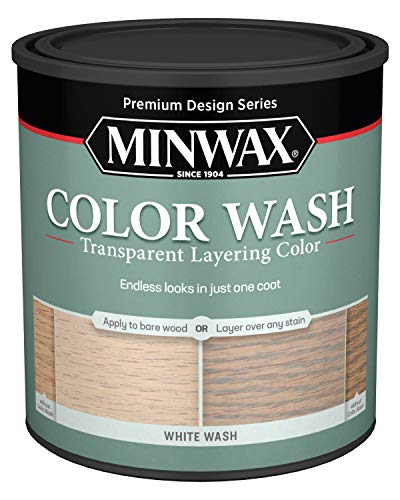 Minwax Color Wash Transparent Layering Color1 Quart (Pack of 1)4.25 x 4.25 x 4.88 inches2.5 PoundsCheck on Amazon
 Earlex 5700 Stationary HVLP Finishing Sprayer for WoodworkingEarlex 570014 x 16.25 x 11.75 InchesCheck on Amazon
 Polyurethane Wood Finish Water Based Polyurethane Clear Gloss100 ml1.6 x 1.6 x 4.7 inchesCheck on Amazon

Choosing Between Beech and Hard Maple
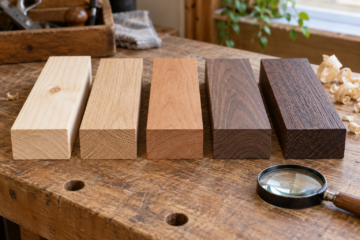
Beech and hard maple are both pale, close-grained hardwoods that can produce a clean light-colored dye finish. They are not interchangeable, though. Their grain, porosity, natural color, and reaction to sanding affect how evenly they take dye.
For the most predictable, nearly uniform color, hard maple usually has the advantage. For a slightly warmer look with more visible grain character and a lower purchase price, beech is often the better buy. Neither species is naturally easy to dye compared with open-grained woods such as oak or ash. A dye that is too strong, or a surface that is sanded unevenly, can produce dark edges, blotches, and lap marks on either one.
As an Amazon Associate we earn from qualifying purchases at no extra cost to you.


| Feature | Beech | Hard maple |
|---|---|---|
| Natural color | Warm cream to pale pink or tan | White to pale cream, sometimes slightly gray |
| Grain appearance | Subtle but often more visible and flecked | Fine, restrained, and usually more uniform |
| Dye behavior | Can absorb unevenly, especially on end grain and soft areas | Usually even, but can still show sanding and glue defects |
| Hardness | About 1,300 lbf on the Janka scale | About 1,450 lbf on the Janka scale |
| Best use | Furniture, painted or lightly colored parts, budget-conscious projects | Visible clear-finished parts where color consistency matters |
How the Natural Color Changes the Dye
Hard maple starts lighter and more neutral, so it preserves a pale blue, gray, green, or cool brown dye more faithfully. Beech has a warmer base color. The difference is modest with a very light yellow or honey dye, but it becomes obvious with pale gray, white, blue, and muted green colors. Beech can shift those colors toward beige or tan.
Both woods also darken slightly under a clear finish. Water-based finishes generally keep the wood lighter and less amber than oil-based polyurethane or oil finishes. If the goal is a clean Scandinavian-style color, test the dye under the exact topcoat you plan to use. A sample that looks neutral before finishing may become noticeably warmer after two coats of oil-based finish.
For a very light result, use a dilute solution rather than trying to wipe off a full-strength dye. Mix a small test batch first. A useful starting point is one part concentrated dye solution to three or four parts water or the manufacturer’s compatible solvent. Record the ratio, number of coats, and drying time so you can repeat the color.
Surface Preparation Matters More Than Species
Dye highlights preparation defects instead of hiding them. Sand the surface evenly through 120, 150, and 180 grit. Stop at 180 grit for most furniture work. Going to 220 grit can reduce absorption and make the color lighter, but it will not correct uneven sanding. Sanding one area longer can create a polished patch that takes less dye than the surrounding wood.
Use a fresh or sharply sharpened scraper for final leveling when practical, then make a light sanding pass in the direction of the grain. Remove dust with a vacuum and a clean, dry cloth. Avoid saturating the surface with water before dyeing unless you are deliberately using a controlled pre-wetting method.
Glue is a common failure point. Squeeze-out that is invisible on bare beech or maple can appear as a pale streak after dyeing. Scrape glue while it is rubbery, then inspect the joint under raking light. On difficult areas, wipe lightly with mineral spirits after the glue has dried; the temporary darkening can reveal missed spots. Let the solvent evaporate fully before sanding or dyeing.
Dyeing Beech Without Blotches
Beech is a good choice when you want a warm, lightly figured result, but it rewards careful application. End grain, flatsawn sections, and areas with changing grain direction may absorb at different rates. Keep the surface wet enough to maintain a wet edge, and avoid stopping in the middle of a panel.
Apply dye with a lint-free cloth, sponge, or spray gun. On a large panel, spraying often gives the most even coverage because it avoids overlapping wiped areas. If wiping, work from one edge across the panel and feather the overlap immediately. Do not rub aggressively after the dye begins to flash off; that can create shiny, lighter patches.
A wood dye concentrate is useful when you need to tune the color gradually. Apply a weak first coat, allow it to dry, and add another coat if needed. Two or three thin coats are easier to control than one heavy coat. Sanding between dye coats is usually unnecessary and can create uneven color; remove raised fibers only after the first coat has dried, using a very light pass with 320 grit.
Dyeing Hard Maple for a Cleaner Result
Hard maple is generally the safer choice for a pale, uniform dye finish. Its tight grain gives the surface a calm appearance, and its lighter starting color makes weak dye mixtures easier to judge. However, tight grain does not prevent blotching caused by scratches, dents, or glue.
Do not rely on a heavy coat of sanding sealer before dyeing. A sealer can even out absorption, but it also reduces color strength and may make the dye look cloudy or patchy. If you need a more uniform result on troublesome beech or maple, test a controlled washcoat: dilute dewaxed shellac to roughly a 1/2-pound cut, apply one thin coat, let it dry, and sand it lightly with 320 grit. This is a compromise. It improves uniformity but reduces dye penetration and can make the color less vivid.
For a professional dye job, a small HVLP spray gun can produce more consistent coverage on panels and cabinet parts. Spraying is not mandatory, but it reduces the risk of lap marks when the dye dries quickly.
Choosing the Topcoat
Use a compatible water-based clear wood finish when you want to preserve a pale dye color. Apply two or three thin coats, sanding only as directed by the product instructions. Water-based finishes can slightly reactivate some dyes, so apply the first coat gently rather than scrubbing the surface.
Oil-based polyurethane is more forgiving during application and often gives better flow, but it adds amber color. That warmth can improve beech and golden-brown dyes while ruining a cool gray or pale blue. For either species, seal a test board and check it after 24 hours. Compare it in daylight, not only under warm indoor bulbs.
Which One Should You Buy?
Choose hard maple when color accuracy, a pale neutral base, and a uniform appearance are the priorities. The extra cost is justified for a large visible tabletop, cabinet door, or project using a cool light dye where warmth would be difficult to correct.
Choose beech when the finish can be slightly warm, the grain character is welcome, or the project is being painted or lightly tinted. It is often the cheaper option, and it is perfectly adequate for shelves, drawer parts, small furniture, and test pieces. Spend the savings on careful preparation and a sample board; those steps usually matter more than the species difference.
0 Comments