What's inside
As an Amazon Associate I earn from qualifying purchases. This post may contain affiliate links at no extra cost to you.
Aromatic cedar and cypress can both make attractive storage chests, but they solve different problems. Aromatic cedar is the stronger choice when you want its familiar scent and insect-repelling reputation inside the chest. Cypress is generally a better fit for a chest that may see damp conditions, especially if it will be used outdoors. A clear coat changes the decision: it protects the wood, but it can also mute cedar’s aroma and alter the color of either species.
As an Amazon Associate we earn from qualifying purchases at no extra cost to you.
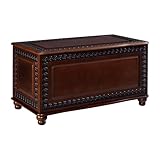


Our Top Picks
 Polyurethane Wood Finish Water Based Polyurethane Clear Gloss100 ml1.6 x 1.6 x 4.7 inchesCheck on Amazon

What each wood brings to a chest
“Aromatic cedar” usually means eastern red cedar, a lightweight, strongly scented wood with heartwood ranging from pinkish red to purplish brown. It is valued for lining closets and chests. The smell comes from natural compounds in the wood, but the effect fades as the exposed surface ages. Sanding a small area can bring back some scent; it does not make the chest a guaranteed moth-proof storage system.
Cypress is generally pale yellow to light brown, often with darker streaks. Its heartwood contains natural oils that help it resist decay, making it useful in exterior work. It has a milder odor than aromatic cedar and is often easier to live with if a strong scent is unwelcome. Cypress is not immune to rot, insects, or water damage, and its performance depends on the specific stock and how the chest is built and maintained.
Both woods are relatively soft compared with oak or maple. Expect dents from hard knocks, especially on corners and lid edges. For a chest that will be dragged, stacked, or used as a bench, construction and hardware may matter more to service life than the species alone.
Quick comparison
| Consideration | Aromatic cedar | Cypress |
|---|---|---|
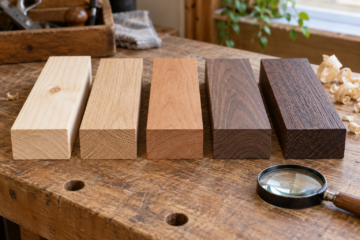
| Typical appearance | Red, pink, or purple-brown heartwood | Pale yellow to light brown, sometimes streaked |
| Natural scent | Strong and distinctive; may fade over time | Milder |
| Best-known advantage | Traditional chest lining and scent | Natural resistance to decay in suitable heartwood |
| Clear-coat effect | Can reduce the scent reaching stored items | Usually chosen more for appearance and moisture resistance |
| Common drawback | Soft, sometimes knotty, and aromatic | Can have uneven color and may be harder to source consistently |
Choose by where and how the chest will be used
For a bedroom or closet chest holding woolens, cedar is the conventional pick if you like the smell. A cedar interior is more useful than cedar on the outside: lining the interior puts the aromatic wood near the contents while letting you finish the exterior for handling and appearance. Even then, do not rely on cedar alone to protect valuable textiles from pests. Clean garments before storage, keep the chest closed, and inspect stored items periodically.
For a porch, mudroom, or other location with changing humidity, cypress is usually the more sensible starting point. Use heartwood where available, seal all faces—including the underside and end grain—and keep the chest off standing water. A clear finish slows moisture exchange; it does not make a poorly joined chest waterproof. If the chest will sit in regular rain, a suitable exterior paint or purpose-made exterior finish is more dependable than a thin indoor clear coat.
If the chest stays indoors and cedar’s scent is not important, cypress may be the better buy when its price and appearance suit the project. Conversely, choosing aromatic cedar for a highly polished, sealed display chest gives up part of the reason many people choose it. Buy based on the actual use, not just the species name.
Clear-coat choices and trade-offs
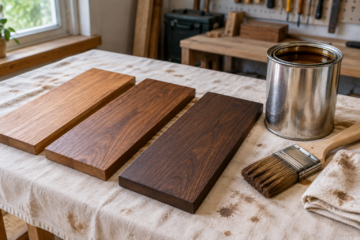
A clear finish deepens color and makes both woods easier to wipe clean. Oil-based varnish and polyurethane tend to add a warm amber cast, which can intensify cedar’s red tones and turn pale cypress more golden. Water-based clear finishes usually preserve a lighter appearance, though they can still change the look slightly. Test the complete finish schedule on an offcut from the same board; color can vary between boards, and end grain often darkens more than the face.
For an indoor chest, a water-based clear finish is a reasonable choice when keeping cypress pale matters. An oil-based varnish can suit a warmer look and generally builds a more noticeable film. For easier application and future touch-ups, compare water-based clear wood finishes and exterior spar varnishes by intended use, not just the words “clear” or “waterproof.” Spar varnish is formulated for greater movement and weather exposure, but still needs maintenance outdoors.
Any continuous film can cut down the amount of cedar aroma escaping from the wood. If scent is the priority, leave the chest interior unfinished or use removable, unfinished cedar lining, and finish the exterior separately. That keeps the aromatic surface exposed while limiting fingerprints and grime on the outside.
Prepare the surface before coating
Sand clean, dry wood with 120- or 150-grit paper, then finish at 180 grit for most clear coats. Going much finer can burnish soft wood and reduce finish adhesion. Remove dust with a vacuum and a clean cloth; avoid soaking the surface with water or an oily tack cloth. Check the finish label for its temperature and humidity range, and apply a thin coat rather than trying to build thickness in one pass.
On cedar, test a small area for resin or oily spots that may interfere with adhesion. If a coat beads, stays tacky, or dries unevenly, stop and check the finish maker’s instructions before adding more. Cypress can show patchy color, particularly where grain and heartwood vary. A test board helps reveal that before the whole chest is coated.
Follow the stated recoat time. Once a coat has dried, lightly sand with 220 grit if the label calls for it, remove the dust, and apply the next coat. Two or three thin coats are typical for a furniture-grade clear film, but the product directions take precedence. Do not coat hardware surfaces that need a clean metal-to-metal fit, and avoid trapping finish in joints where it can prevent a tight assembly.
What to inspect before buying
Ask whether boards are heartwood, sapwood, or mixed stock, and look at the actual boards rather than relying on a species label. Reject pieces with loose knots, deep checks, or end splits where hinges and fasteners will go. For a cedar lining, thin tongue-and-groove boards are commonly available; for structural panels, choose stock thick enough for the span and reinforce the lid rather than expecting soft wood to resist sagging on its own.
Use a small wood moisture meter if the lumber’s storage history is uncertain. Interior furniture stock is often best assembled near the moisture level expected in the room; large differences can lead to gaps, cupping, or a lid that binds after the chest moves indoors. Cedar is fine when low cost and aroma matter most. Cypress is worth choosing when its decay resistance and quieter scent fit the setting. Neither species compensates for wet lumber, unsealed end grain, or a finish applied before the wood is ready.
0 Comments