What's inside
As an Amazon Associate I earn from qualifying purchases. This post may contain affiliate links at no extra cost to you.
Cedar and cypress can both make durable outdoor furniture, and either can take paint. For a painted garden bench or table, the bigger differences are usually price, board quality and surface preparation—not a dramatic difference in rot resistance. Buy dry, straight stock with few knots, then seal and paint it properly.
As an Amazon Associate we earn from qualifying purchases at no extra cost to you.


Our Top Picks
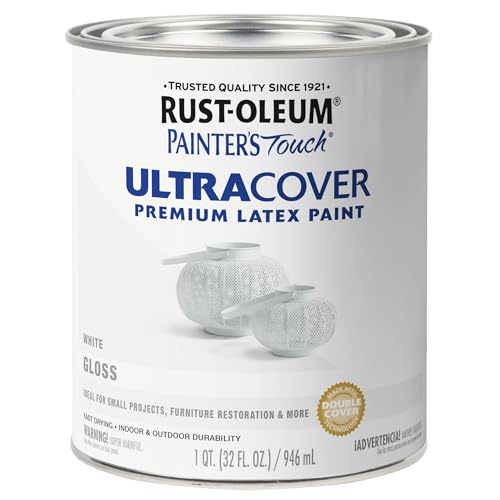 Rust-Oleum Painter's Touch Latex Brush-On Paint1 Quarts (Pack of 1)5 x 5 x 8 inches2.4 poundsCheck on Amazon
Cedar vs. cypress at a glance
| Factor | Cedar | Cypress |
|---|---|---|
| Outdoor durability | Good when kept above ground and maintained | Good when kept above ground and maintained |
| Typical feel | Light and easy to cut; often soft, with knots | Moderately light; quality and grain vary by source |
| Paint readiness | Good if dry, clean and properly primed | Good if dry, clean and properly primed |
| Common drawback | Soft wood dents; knots can bleed through paint | Availability and price vary; knots and resinous areas may cause paint trouble |
| Best buying priority | Clear, straight boards rather than the lowest grade | Dry, straight boards from a reliable supplier |
Which wood should you buy?
Choose the lumber that is straighter, drier and less knotty at a similar price. Furniture joints and paint depend more on sound stock than on the species name. A twisted board can make a chair rack; a large knot near a screw can split or loosen. Inspect each board in person if possible, sight down its length, and reject pieces with deep checks, loose knots or cupping.
Cedar is often the easier low-cost choice for a simple bench or planter-style seat, especially where clear boards are available. It is light to carry and straightforward to cut, but its softness means corners and seat edges can dent during use. Cypress is a sensible alternative where it is locally available at a good price. There is no reason to pay a large premium for cypress solely because the furniture will be painted.
For either species, avoid lumber that feels wet or has been stored uncovered. If you can, let the boards acclimate under cover with stickers between them until their moisture content is around 12–15% or lower before painting. A basic moisture meter helps; readings vary with species and temperature, so follow the meter’s instructions. Painting damp wood traps moisture and raises the chance of peeling, especially at end grain and joints.
Will paint hide the difference?
Paint hides color, not movement or poor preparation. Both woods expand and shrink as their moisture changes. Wide panels and tight, end-grain-to-end-grain joints are more likely to split or force paint to crack than narrow boards with room to move. Design seats and tabletops so water can drain, and keep legs and end grain from sitting in puddles.
Knots are a common failure point. Tannin or resin can migrate through a conventional primer and leave yellow-brown stains, sometimes months after painting. Cedar’s knots are often conspicuous; cypress can also have knots or resinous areas. For a furniture piece with visible knots, spot-seal them with a stain-blocking primer rated for exterior use—shellac-based primers are a common option—then prime the whole surface with a compatible exterior primer. Check the product label for approved topcoats and drying times.
Paint-grade cedar is not automatically clear or knot-free, and “cypress” does not guarantee a premium grade. If appearance matters, pay for better boards rather than hoping extra paint will hide defects. If the piece is a utility bench, sound knotty stock is often fine when knots are tight and placed away from joints and fasteners.
Preparation that prevents early peeling
Sand new boards enough to remove mill glaze and splinters without polishing them smooth: start around 80 grit for rough spots, then finish at 100–120 grit. Ease sharp edges with a small chamfer; paint films wear quickly on knife-sharp corners. Remove dust with a brush or vacuum, and make sure the surface is clean and dry.
Prime all faces before assembly when practical, especially cut ends and concealed joints. End grain absorbs water readily, so give it a thorough coat of exterior primer; a second coat on exposed ends is worthwhile. Use an exterior stain-blocking wood primer suited to your topcoat. After assembly, touch up bare cuts and fastener holes.
Apply two thin coats of exterior paint rather than one heavy coat. Use a paint made for exterior wood trim or siding, and follow the label’s temperature, humidity and recoat limits. Keep paint out of moving hardware and drainage gaps. A good exterior acrylic paint is a practical finish for most garden furniture, but it will still need inspection and touch-ups as edges wear.
When the cheaper option is fine
For a painted bench under a porch, or a modest garden table you can repaint, choose the cheaper species if its boards are straight, dry and sound. The finish system and details matter more than a small species advantage. Spend the savings on better primer, stainless or hot-dipped galvanized fasteners, and a design that sheds water.
Pay more for clearer lumber if the piece has exposed edges, close-set slats or highly visible joinery. Cedar’s softness also makes it less suitable for parts that take repeated impact unless you accept dents. Cypress may be a good local buy, but compare actual board quality and delivered cost rather than assuming it is always more durable.
Maintenance and common failure signs
Inspect the furniture at least once a year, especially horizontal surfaces, feet, joints and end grain. Peeling at an edge usually means water got behind the coating; scrape to sound paint, sand the transition, prime bare wood and repaint. Brown spots through intact paint point to stain bleed and call for a stain-blocking primer. Dark, soft wood or a joint that stays wet may indicate decay, not just a paint problem.
Wash off dirt before it holds moisture against the finish. Touch up exposed wood promptly, and store cushions separately so trapped water does not keep the seat damp. With either cedar or cypress, a painted piece lasts longest when water drains freely and the coating is maintained before widespread peeling starts.
0 Comments