What's inside
As an Amazon Associate I earn from qualifying purchases. This post may contain affiliate links at no extra cost to you.
“Walnut” usually means American black walnut (Juglans nigra); “Claro walnut” usually means California walnut (Juglans hindsii), often sold as Claro or California walnut. Both can make handsome oil-finished furniture, but the color, figure, availability, and price can vary widely within each species. If you are choosing boards, judge the actual lumber rather than buying on the name alone.
As an Amazon Associate we earn from qualifying purchases at no extra cost to you.



Our Top Picks


The main differences
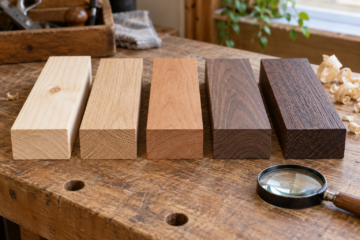
Black walnut tends toward a familiar chocolate-brown heartwood, though boards may have gray, purple, or lighter brown tones. Claro is especially variable: it can include reddish, golden, and brown areas, with striking streaks and figure. Claro is often prized for dramatic appearance, but a plain, straight-grained board may look less distinctive than a well-selected black walnut board.
Both species are workable furniture woods and take oil well. Neither guarantees a particular color after finishing. Sapwood on either can be pale and sharply different from the heartwood, and oil usually makes that contrast more noticeable. Ask to see the exact boards or a sample cut from the same stock, not just a species photo.
At a glance
| Factor | Black walnut | Claro walnut |
|---|---|---|
| Typical appearance | Brown heartwood, often relatively restrained grain | Highly variable color and figure; can be bold or fairly plain |
| Availability | Commonly stocked by hardwood dealers | More limited; supply and selection depend on region |
| Buying consideration | Often easier to find matching boards for a set | Inspect in person when color matching or figure matters |
| Oil-finish behavior | Oil deepens the brown and may emphasize sapwood contrast | Oil enriches varied tones and figure, but can make color differences more pronounced |
Which one should you buy?
Choose black walnut when you want a consistent, recognizable walnut look, need several boards to match, or want a simpler sourcing process. It is the practical choice for a dining table, cabinet run, or a project where a calm grain pattern matters more than dramatic variation.
Choose Claro when you want unusual color or figure and can select the boards yourself. Its variation can be the point of the piece, but it can also complicate a matched set: two boards from the same seller may differ in hue, grain, or contrast. If ordering remotely, request current photos in neutral light and confirm whether the boards are surfaced, kiln-dried, and sold as a matched set.
Compare prices by usable board footage, not just the listed price per board foot. A highly figured board may require extra layout work, and defects or sapwood can reduce the area suitable for visible parts. For ordinary furniture, a lower-priced, sound black walnut board is often the better value. Claro is worth the premium only if its specific color or figure improves your design.
Oil finish and color
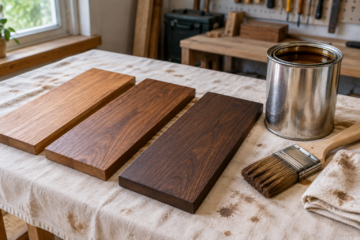
Oil brings out grain by wetting the surface and deepening the wood’s color. On black walnut, expect a richer, darker appearance than the dry, freshly sanded surface. Claro can show stronger differences between its light and dark areas. Make a test panel from an offcut, sand it exactly as you plan to sand the furniture, and apply the intended finish at the stated spread rate. Check it after the finish has cured; some oils change appearance as they dry.
“Oil finish” covers different products. Wiping oils are easy to apply but may offer less abrasion and water resistance than a film-building finish, especially on a tabletop. A hardwax oil can provide a low-sheen surface and easier local repair, while a varnish or oil-varnish blend generally builds more protection. Follow the label for cure time and food-contact claims; “natural” does not automatically mean safe for every use. Compare hardwax oil wood finishes by their application instructions, sheen, and maintenance requirements rather than choosing by species-specific marketing.
Sanding and preparation
Prepare both woods the same way: flatten and scrape or plane the surface first, then sand through consistent grits. For many furniture surfaces, a sequence ending at 180 or 220 grit is a sound starting point. Going much finer can reduce absorption for some penetrating finishes and make the result less even; follow the finish maker’s recommendation and test. Remove dust with a vacuum and a clean, dry cloth. Avoid oily tack cloths unless the finish manufacturer specifically approves them.
Look closely for tear-out, especially around changing grain and figured areas. Sanding across torn fibers may make the surface feel smooth while leaving scratches that become obvious under oil. Use a sharp scraper where practical, then sand with the grain at the final grit. Inspect under raking light before finishing. If a water-based product will be used anywhere in the schedule, raise the grain with a light dampening and sand it back before the final coat.
For a color test, prepare at least two scraps: one from heartwood and, if the project includes it, one from sapwood. Apply the full schedule, including any sealer or topcoat. A stain can muddy walnut’s natural color, particularly on figured Claro, so do not assume staining will make mismatched boards blend cleanly. If the aim is a more even tone, first consider choosing better-matched stock or orienting the boards differently.
Common problems to avoid
One common mistake is buying by species name and expecting uniform color. Another is sanding only to a fine grit, then finding shiny patches where oil absorbed unevenly. Stop and correct blotchy preparation before applying more finish; extra coats rarely fix a surface-preparation problem. Keep finish coats thin and even, and wipe away excess according to the label. Pooled oil can remain tacky, particularly in pores or corners. Do not leave oil-soaked rags crumpled: spread them flat outdoors to dry or place them in a suitable water-filled, sealed metal container, following local disposal rules, because they can heat up and ignite.
For a first oil-finished walnut project, a small set of walnut offcuts or sample boards can help you check color and sanding before committing the finished piece. The wood’s actual response is more useful than a generic chart: test the board, test the finish, and buy the species whose real appearance suits the furniture.
0 Comments