What's inside
As an Amazon Associate I earn from qualifying purchases. This post may contain affiliate links at no extra cost to you.
Cherry and red alder can both make attractive furniture with a clear finish, but they do not look or behave quite the same. Cherry usually costs more and develops a warmer, darker color with age. Red alder is often less expensive and more uniform in color, but it dents more easily and can show blotchy patches under some finishes.
For a table, cabinet, or set of drawers, the right choice depends on whether you want cherry’s changing color and greater hardness or alder’s lower price and relatively even appearance. Neither species needs stain to look finished; a clear coat is often the better way to show what the wood naturally does.
Our Top Picks
 SKIL 5” Random Orbital Sander with Cyclonic Dust5 inches7.87 x 4.8 x 5.51 inches3.44 poundsCheck on Amazon
 Varathane Water-Based Ultimate Satin PolyurethaneHalf Pint (Pack of 1)3 x 3 x 3 inches0.64 poundsCheck on Amazon

Color and grain under a clear finish
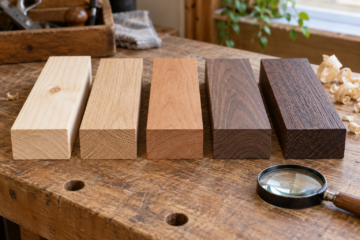
Cherry heartwood starts out pale pinkish brown to reddish brown. Exposure to light gradually deepens it, sometimes substantially, so a new cherry piece may not match older cherry furniture in the room. The change is most noticeable in the first months or years, then slows. Keep leaves, books, and other objects from covering parts of a new tabletop for long periods: uneven light exposure can leave temporary or persistent color differences.
Red alder is generally light brown with a warm, sometimes pink or yellow cast. Its grain is usually subtle, with less dramatic figure than many cherry boards. It does not develop cherry’s characteristic rich, darkened color with age. That can be a benefit if you want the furniture to stay relatively light, but it can also make alder feel less distinctive.
Both species can have color variation from board to board. Cherry may include sapwood that is much lighter than the heartwood; alder can vary in tone too. Select boards from the same batch and arrange them together before assembly. A clear finish will make the wood look wetter and deeper, but it will not reliably hide mismatched boards.
At-a-glance comparison
| Factor | Cherry | Red alder |
|---|---|---|
| Typical clear-finished color | Pinkish to reddish brown; darkens with light exposure | Light brown, often with a warm or pink cast; stays more subdued |
| Grain | Fine and usually understated, with occasional figure | Fine, generally plain and uniform |
| Hardness | About 950 lbf on the Janka scale | About 590 lbf on the Janka scale |
| Workability | Machines and sands well; can burn or show sanding marks | Easy to machine and shape; dents and compresses readily |
| Relative cost | Often the more expensive option | Often cheaper, especially where locally available |
| Best fit | Furniture expected to take regular use and gain a richer color | Budget-conscious projects, painted parts, or lightly used furniture |
How much durability matters
Cherry is substantially harder than red alder, though neither is as hard as maple or many oak species. A dining table made from cherry will still get dents, but it is more forgiving of daily bumps than alder. Alder is workable and light, which suits dressers, bookcases, cabinet doors, and occasional-use furniture. On an alder desktop or dining surface, expect dents from dropped objects and pressure from narrow chair or appliance feet.
Hardness is only one part of durability. A well-built alder cabinet with sound joinery can last for decades; a poorly made cherry table can fail at its joints. For a high-use surface, consider cherry or another harder wood, use felt pads, and choose a finish that is easy to repair. A thick, glossy coating will not make alder immune to dents—it may simply make damage more visible.
Preparing and clear-finishing both woods
Sand evenly through the grits rather than trying to erase deep scratches with the final pass. A practical sequence is 120, 150, and 180 grit for most furniture parts. On cherry, sanding much finer than 180 or 220 can reduce how evenly some finishes absorb, though this is more important with stain than with a clear coat. Remove dust with a vacuum and a clean cloth; avoid leaving solvent or tack-cloth residue that could interfere with the finish.
Red alder can develop blotchy color when stained, particularly if some areas absorb more than others. If you want a colored result, test the exact stain and preparation on offcuts from the project. A pre-stain wood conditioner may reduce contrast, but it can also make color lighter and less predictable. For a clear finish, blotching is usually less of a concern; judge a sample after the finish has dried, since wet wood looks different.
Cherry can burn when cut with a dull blade or when a router bit lingers in one spot. Keep cutters sharp and make test cuts before routing visible edges. Both species can show swirl marks under a clear topcoat, especially in raking light, so inspect the surface from several angles before finishing. If sanding by machine, use a 5-inch random-orbit sander with a connected dust extractor and keep it moving; do not press hard to speed up the job.
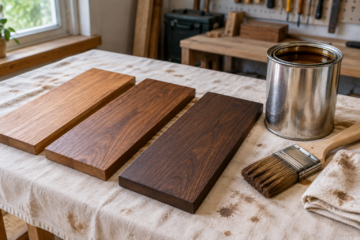
For a simple, natural appearance, a clear oil-varnish blend or a clear water-based or oil-based film finish can work on either wood. Oil-based finishes tend to add amber warmth, which can suit cherry but may make alder look yellower. Water-based finishes generally preserve a paler look. Make a sample with at least two coats and let it dry fully before deciding. A water-based clear finish is a reasonable choice when you want to limit ambering; an oil-based option is worth testing if you prefer a warmer tone.
Which wood should you buy?
Choose cherry if the furniture will see frequent use, you like a reddish-brown color that deepens over time, and the added cost fits the project. It is particularly appealing on visible parts such as tabletops, drawer fronts, and chair seats. If a stable, pale color match is essential, remember that new cherry changes with light and may not stay uniform around objects left on it.
Choose red alder when price, availability, easy machining, or a quiet grain matter more than dent resistance and dramatic color. It is not a poor substitute simply because it costs less. For a bookcase, bedroom cabinet, or painted furniture, paying more for cherry may bring little practical benefit. For a dining table or busy work surface, cherry is usually the safer of the two, but sensible use and a repairable finish matter more than the species name alone.
0 Comments