What's inside
As an Amazon Associate I earn from qualifying purchases. This post may contain affiliate links at no extra cost to you.
A clear finish shows everything: the grain, color, knots, glue spots, sanding scratches, and uneven stain absorption. For a headboard, the best wood is usually a stable, reasonably wide board with attractive grain and enough hardness to resist dents. The ideal choice depends on whether you want a pale modern finish, warm amber color, visible character, or the lowest possible cost.
As an Amazon Associate we earn from qualifying purchases at no extra cost to you.

Our Top Picks
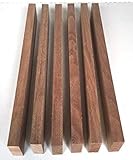
 Walnut Lumber Sheets Unfinished Walnut Wood Sheets Thick17x4x7/8 Inch - 1PCS3.93 x 7.87 x 0.8 inches1.4 PoundsCheck on Amazon
 10 Walnut Boards for Making Cutting Boards24"L x 2"W x 3/4"Th24 x 2 x 0.75 inches8 PoundsCheck on Amazon
 Polyurethane Wood Finish Water Based Polyurethane Clear Gloss100 ml1.6 x 1.6 x 4.7 inchesCheck on Amazon
Best overall: clear-grade red oak
Red oak is the safest all-around choice for a clear-finished headboard. It is widely available, moderately priced, strong, and easy to sand. Its open grain gives a traditional furniture appearance, and it accepts oil-based polyurethane, water-based polyurethane, lacquer, and hardwax oil reliably.
Choose boards labeled clear, select, or furniture grade rather than construction lumber. Look for straight grain, minimal knots, and boards that are flat when viewed from the end. Red oak has prominent pores, so the finished surface will have texture unless you use a grain filler. That texture is usually desirable on a headboard, but it will not look as glass-smooth as maple without extra preparation.
Use a furniture-grade oak board when you want a durable, classic result without paying premium hardwood prices.
Best light-colored woods
Hard maple produces a clean, pale headboard with fine, subtle grain. It is harder than oak and resists dents, but it costs more and can be less forgiving during finishing. Scratches from coarse sanding remain visible, and end grain or unevenly sanded areas can absorb finish differently.
Birch is a cheaper alternative with a similar light color. It is attractive under clear water-based finish, but it commonly develops blotchy color when stained. If you want the natural birch color, skip stain and apply a clear finish over a properly sanded surface. Poplar is inexpensive and easy to machine, but its greenish or grayish streaks are unpredictable under clear finish. It is better painted than left natural.
For a pale headboard, use a water-based polyurethane. It adds less amber color than oil-based polyurethane and dries faster, though the first coat can raise the grain slightly.
Best warm-colored woods
Cherry is one of the best woods for a refined clear finish. It sands smoothly, has a fine grain, and darkens from pinkish brown to a richer reddish brown with age and light exposure. Its main drawback is price. Cherry also develops uneven dark patches if exposed to strong sunlight before its color has matured, so keep a new headboard away from direct sun during the first months.
Walnut gives the deepest natural color and a strong furniture-grade appearance. It is stable, machines well, and looks excellent with a low-sheen finish. Walnut is expensive, and broad, clear boards can cost substantially more than oak. A walnut-veneered plywood panel is often the sensible compromise for a large headboard: it saves money and reduces the risk of seasonal movement while preserving the visible walnut surface.
White oak is another strong choice. It has a tighter, less porous appearance than red oak and usually looks more contemporary. It is durable and attractive with clear finish alone, although it may cost 20% to 50% more than comparable red oak depending on local supply.
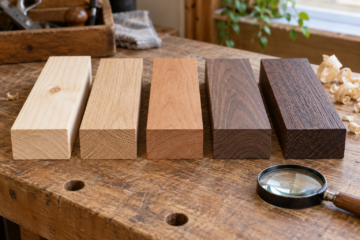
| Wood | Appearance under clear finish | Cost | Main drawback |
|---|---|---|---|
| Red oak | Strong grain, warm tan color | Low to medium | Open pores and visible texture |
| White oak | Subtle, modern grain, light brown | Medium to high | Costs more than red oak |
| Hard maple | Pale, fine, understated grain | Medium to high | Shows sanding and finish defects |
| Cherry | Warm reddish brown that deepens | High | Expensive and light-sensitive |
| Walnut | Rich brown with dramatic grain | High | Premium price |
| Birch | Pale and fairly uniform | Low to medium | Blotches when stained |
Solid wood or plywood?
For a wide headboard, plywood is often the more stable material. A 3/4-inch hardwood plywood panel is less likely than a solid panel to cup or split as humidity changes. Edge banding or solid-wood trim hides the plywood layers. This is especially useful for a headboard wider than about 24 inches, where seasonal movement becomes more noticeable.
Solid boards work well when assembled as narrower pieces with the grain running vertically or horizontally in a planned pattern. Do not glue a wide solid panel directly to a rigid frame without allowing movement. Use elongated screw holes, figure-eight fasteners, or clips that let the panel expand and contract across its width.
Avoid ordinary construction pine for a clear-finished headboard unless you specifically want a rustic look. It is inexpensive, but it is soft, full of knots, often wet or warped, and prone to dents. Kiln-dried clear pine can be a reasonable budget option, but premium pine may approach the price of better hardwood while still being softer.
Surface preparation that prevents defects
Sand progressively rather than jumping straight to fine paper. Start at 80 or 100 grit only when removing milling marks, then use 120, 150, and finally 180 grit. For most clear finishes, 180 grit is sufficient on hardwood. Sanding to 220 grit can reduce absorption and make some finishes sit unevenly, particularly on end grain.
Break sharp edges with a light pass of 180-grit paper. A tiny 1/16-inch roundover looks better and prevents the finish from pulling away from a razor edge. Vacuum the surface, then wipe it with a clean, dry cloth. Do not use a wet rag on water-sensitive veneer or unsealed end grain unless you are prepared to sand the raised fibers afterward.
Glue squeeze-out is a common failure. Dried glue prevents stain and clear finish from penetrating, leaving pale blotches. Scrape or sand it completely before finishing, and inspect joints under raking light. Test the complete finish schedule on an offcut. Different woods, finishes, and sanding methods can change the final color substantially.
Choosing the clear finish
Water-based polyurethane keeps light woods light and is usually ready for another coat after two to four hours. Oil-based polyurethane adds amber color, flows well, and gives oak and walnut a warmer appearance, but it can take 8 to 24 hours between coats and smells stronger.
Apply at least three thin coats to the front and edges of a headboard, sanding lightly with 320 grit between coats when the label requires it. Coat the back as well, especially on solid panels, to reduce unequal moisture exchange. For a more natural feel, consider hardwax oil wood finish; it is easy to repair but generally offers less protection against scratches and repeated abrasion than polyurethane.
For most buyers, red oak or white oak offers the best balance of price, appearance, and finishing reliability. Choose maple for a pale, quiet look, cherry or walnut for premium furniture character, and hardwood plywood when stability and budget matter more than showing solid wood on every surface.
0 Comments