What's inside
As an Amazon Associate I earn from qualifying purchases. This post may contain affiliate links at no extra cost to you.
For a clear-finished serving tray, choose wood that looks good under a transparent coating, stays flat, and is easy to keep clean. Hard maple is the safest all-around pick: it is dense, pale, close-grained, and less likely than open-pored species to show dark finish pooling in its pores. Cherry is a warmer, attractive alternative, while walnut suits a darker tray. Pine can work for an occasional-use tray, but its soft surface dents easily.
As an Amazon Associate we earn from qualifying purchases at no extra cost to you.


Our Top Picks
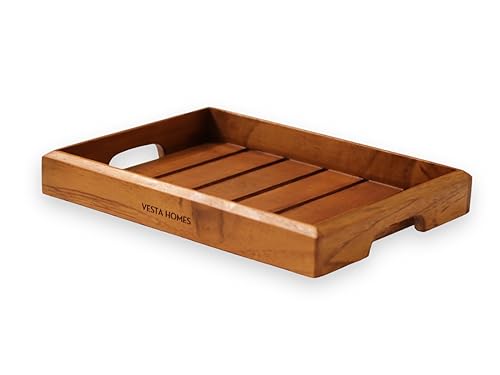 Vesta Homes Medium Teak Wood Serving Tray for12" x 8.5" x 1.5"12.2 x 8.7 x 1.6 inches1 poundsCheck on Amazon
 The Original Moa Large Teak Amenities Tray with26.5" x 14.3" x 3.8"26.5 x 14.25 x 3.75 inches5.5 poundsCheck on Amazon
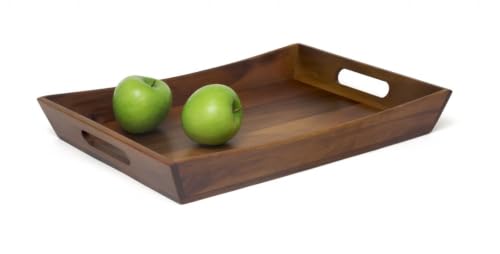 Lipper International 1165 Acacia Curved Serving Tray14" x 19.9" x 2.5"14 x 19.75 x 2.5 inches2.3 poundsCheck on Amazon


What matters in a serving tray
A tray is not a cutting board, but it still gets knocks, spills, and regular wiping. A hard surface helps resist dents; stable, properly dried stock helps prevent joints from opening or the tray from cupping. Grain and color matter, too, because a clear finish does not hide uneven color or glue marks—it often makes them more obvious.
For a tray with raised sides, use the same species for the bottom and rails when practical. Different woods can move by different amounts as humidity changes, and a solid bottom panel trapped rigidly in a frame can split. A floating panel in grooves, or a bottom made from stable plywood with solid-wood edging, reduces that risk.
Best wood choices compared
| Wood | Appearance under clear finish | Strengths | Trade-offs |
|---|---|---|---|
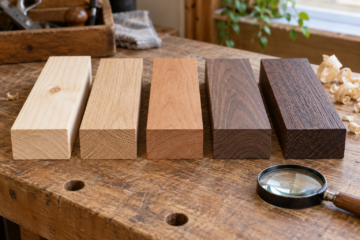
| Hard maple | Pale cream to light tan; subtle grain | Hard, close-grained, clean look | Can show glue smears and sanding scratches; difficult to stain evenly |
| Cherry | Pinkish brown, deepening with light exposure | Easy to work; warm color and usually even grain | Softens and darkens over time; sapwood may contrast with heartwood |
| Black walnut | Medium to dark brown with strong variation | Distinctive color; easy to shape and finish | Costs more than common domestic woods; pale sapwood can interrupt the look |
| White oak | Tan to brown with visible, open grain | Hard-wearing and strong; prominent grain | Open pores may need filling for a smooth surface; heavier than maple |
| Pine | Light-colored with knots and pronounced growth rings | Inexpensive and widely available | Dents and scratches readily; soft earlywood can sand unevenly |
For a first tray, buy straight-grained, kiln-dried hard maple from a hardwood supplier or a good lumberyard. If price is the deciding factor, clear, knot-free pine is acceptable for light-duty use; just expect dents from mugs, cans, and cutlery. Avoid boards with loose knots, end checks, or obvious twist. A hard maple board is a practical starting point for a small project, but check its thickness and flatness before buying.
Choose wood for the finish you want
If you want the wood to stay light, maple is a good fit, though most clear finishes add some warmth. Water-based finishes usually change pale wood less than oil-based finishes, which commonly give it a more amber cast. Test the finish on an offcut from the actual board: two pieces labeled “maple” can still differ in color and grain.
Cherry is a strong choice when a richer, warmer tray is the goal. It darkens naturally with exposure to light, so a sample left in a drawer may not match the finished tray a few months later. Walnut gives the strongest contrast and hides small color differences in dark areas, but its sapwood—the pale outer portion of the tree—can look patchy if it is mixed into the visible surface.
White oak’s open pores are part of its look. If you want a glass-smooth top, apply a compatible grain filler before the clear coat; otherwise, the surface will retain a subtle pore texture. That extra step is unnecessary on maple and often not worth the work on a casual-use tray.
Prepare the surface before finishing
Sand flat parts before assembly where possible. Start at 80 or 100 grit only if milling marks need removal, then work through 120, 150, and 180 grit. For most clear finishes, stopping at 180 or 220 is sufficient; sanding much finer can reduce finish adhesion on some products and wastes time. Remove all scratches from the previous grit before moving on, and inspect the surface in raking light.
Glue residue is a common cause of pale, finish-resistant patches. Use a small amount of glue, wipe away squeeze-out without smearing it across the face, and scrape or sand the area after it has cured. Before applying finish, vacuum the dust and use a clean, dry cloth. On maple especially, do not rely on the first coat to hide mistakes: it tends to reveal glue and sanding defects.
For panel glue-ups, use a waterproof or water-resistant adhesive suited to the tray’s expected use, and clamp only firmly enough to close the joints. Excessive pressure can bow a panel or squeeze out too much glue. A water-resistant woodworking glue is sensible for a tray that may be wiped frequently, but no ordinary wood glue makes the finished tray suitable for soaking or dishwasher use.
Pick a practical clear finish
For a tray used with wrapped food, dry snacks, or cups, a fully cured film finish is usually the most practical choice. Water-based polyurethane keeps maple relatively pale and resists routine spills. Oil-based polyurethane is commonly more amber and can emphasize cherry and walnut, but it takes longer to dry and may have a stronger odor during application. Follow the can’s recoat and full-cure instructions; “dry to touch” does not mean ready for food contact.
Apply thin coats rather than one heavy coat. Heavy application can sag on vertical rails, dry unevenly, or leave a soft film. Lightly sand between coats only as directed by the product label, and keep finish out of joints where it could interfere with glue. For the underside and edges, apply the same number of coats as the top to reduce uneven moisture exchange.
For a simpler, repairable surface, a curing oil or hardwax oil is another option, but it generally offers less protection from standing liquid than a sound film finish. Whichever finish you choose, use a product labeled for its intended application, allow full cure, and clean spills promptly. A water-based clear finish is a sensible default for a light maple tray.
A straightforward buying decision
Choose hard maple for a durable, light-colored tray with a smooth surface and minimal grain filling. Choose cherry for a warmer look, or walnut if you want a dark, distinctive piece and accept the higher material cost. White oak is appropriate when pronounced grain is part of the design. Pine is fine when the budget is tight and a few dents will not bother you. In every case, select dry, straight stock, test the clear finish on an offcut, and treat the tray as furniture—not as a cutting board or something to soak.

0 Comments