What's inside
As an Amazon Associate I earn from qualifying purchases. This post may contain affiliate links at no extra cost to you.
A soft white tinted finish — that translucent, milky-white look where the grain still shows — is more demanding than opaque white paint. You’re not hiding the wood, you’re filtering it. The wrong species will blotch, turn yellow, or bleed tannins that turn your soft white pink or gray in six months. The right species takes the wash evenly, stays bright, and lets the grain add texture without overpowering the color.
As an Amazon Associate we earn from qualifying purchases at no extra cost to you.


Our Top Picks
 Varathane Less Mess Whitewash Wood Stain & Applicator4 Ounce (Pack of 1)1.75 x 1.75 x 6.5 inches0.25 PoundsCheck on Amazon
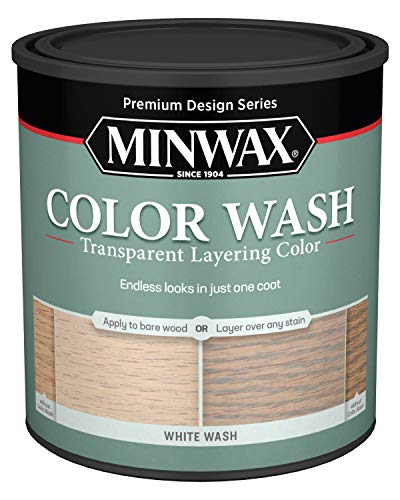 Minwax Color Wash Transparent Layering Color1 Quart (Pack of 1)4.25 x 4.25 x 4.88 inches2.5 PoundsCheck on Amazon

What “Soft White” Really Means for Wood Choice
Soft white is not one product. It can be a thinned white pigmented stain, a whitewash pickling stain, a tinted hardwax oil, or a clear coat with 5-10% white pigment added. All of them share the same problem: white pigment settles unevenly in pores and scratches. That means open-pored woods like oak will show high contrast between earlywood and latewood, while blotch-prone woods like pine will absorb more pigment in soft areas and look mottled. Closed-grain, light-colored, low-tannin woods are the easiest starting point. You also need to decide if you want grain to be a feature or to disappear. If you want a calm, Scandinavian look, you want diffuse-porous hardwoods with little figure. If you want the white to highlight texture, you want ring-porous woods like ash or oak.
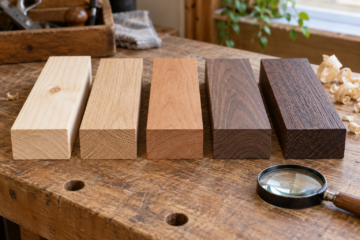
The Best Species for a Soft White Tinted Finish
1. Soft Maple (especially “white” soft maple): The top choice for a clean, even soft white. Soft maple is diffuse-porous, very light cream-white, and has almost invisible pores. It takes a whitewash pickling stain evenly without the heavy grain lines you get on oak. Sand to 180 grit and it stays bright. Failure mode: hard maple can blotch slightly less, but soft maple is cheaper and easier to source in wide, clear boards. Watch for gray mineral streaks — sort them out if you want a uniform white.
2. Birch (Baltic birch plywood or solid yellow birch): Very similar to maple but usually 20-30% cheaper. Excellent for cabinets, built-ins, and plywood panels where you need sheet goods. Birch plywood takes a tinted finish more uniformly than any pine plywood. Failure mode: birch is notorious for blotching with penetrating stains. You must use a pre-stain conditioner or, better, a water based sanding sealer thinned 10-20% before the white. Skip that and you will get cloudy patches.
3. White Ash: Best if you want visible grain under the white. Ash has a bold, open grain like oak but is much lighter in base color — almost white to pale straw, compared to red oak’s pink cast. The pigment lodges in the large pores and creates a classic cerused or limed look with one coat. For a softer effect, fill the grain first or apply two thin coats and wipe hard. Ash is also more stable and cheaper than white oak right now in most US markets.
4. White Oak (rift-sawn or quarter-sawn): The premium option for furniture and floors. White oak’s base color is light tan, not pink, so a soft white stays true and doesn’t go salmon-colored. Tannin content is high, so you must use a tannin-blocking primer or a water-based finish with a tannin blocker if you want it to stay white long-term. Oil-based whites over oak will amber noticeably within a year. Choose rift-sawn if you want a calmer, linear grain under the white — flat-sawn cathedral grain can fight the minimal aesthetic.
5. Alder: The budget solid-wood alternative to maple for doors, face frames, and trim. Alder is light reddish-tan but very fine-grained and takes thinned white paint evenly. It needs a light coat — alder will darken the white slightly, so mix your wash about 10% stronger than you would for maple to compensate. It sands and machines beautifully and costs about half of soft maple in many regions. Not ideal for floors or heavy-wear tops — it’s soft (Janka 590 lbf).
Comparison: How the Top Choices Behave
This table assumes a single coat of thinned white pigmented stain or hardwax oil, wiped, then topcoated with clear water-based poly.
| Species | Base Color | Grain Visibility Under White | Blotch Risk | Tannin Bleed Risk | Best Use Case |
|---|---|---|---|---|---|
| Soft Maple | Cream-white | Low — subtle | Low | Very Low | Cabinets, furniture, clean modern look |
| Birch | Pale yellow-white | Low — subtle | Medium-High | Very Low | Plywood cases, cabinet boxes, budget panels |
| White Ash | Off-white / straw | High — strong cathedral | Low | Low | Limed / cerused tables, doors, accent walls |
| White Oak | Light tan | Medium-High | Low | High | Floors, high-end furniture, if you block tannins |
| Alder | Light reddish tan | Low-Medium | Medium | Low | Face frames, trim, interior doors on a budget |
| Poplar | Cream with green/gray streaks | Low | Medium | Low | Paint-grade only under white — streaks show through wash |
Species to Avoid or Use With Caution
Poplar: Cheap and available, but the green and purple heartwood streaks are very visible through a translucent white. A soft white wash will not hide them — you will see ghostly gray-green shadows, even with two coats. Fine if you will spray a tinted lacquer with enough pigment to be semi-opaque, but not for a true wash.
Red Oak: The pink undertone is hard to kill. A soft white over red oak almost always reads as warm pink-white, not clean white. It also has very large, open pores that drink pigment and create a heavy, striped look unless you grain-fill.
Knotty Pine / Southern Yellow Pine: The classic failure. Soft earlywood absorbs 2-3x more pigment than hard latewood, so you get a reversed, blotchy grain. Knots bleed resin and tannins and will turn yellow-brown spots within months unless sealed with shellac. If you must use pine, use clear, vertical-grain stock, seal completely with dewaxed shellac first, and use a white tinted hardwax oil that sits on top rather than a penetrating stain.
Cherry and Walnut: Too dark and too photosensitive. White over cherry turns muddy quickly, and cherry will continue to darken under the white, changing the color. Walnut requires so much white pigment to show that you lose the point of a translucent finish.
Prep and Application That Actually Matters
The species choice is half the battle. The other half is sanding and sealing. For a soft white, sand to 150 or 180 grit — no finer. Sanding to 220 or 320 polishes diffuse-porous woods like maple and birch so much they won’t take pigment, leaving a pale, uneven wash. Sand to 150, vacuum thoroughly, and wipe with a damp microfiber, not mineral spirits which can leave residue.
Always test on offcuts from the same boards, not scrap from a different batch. Mix your white to 30-50% pigment for a true soft wash. A common shop mix is 1 part white water-based stain to 1 part water, or 1 part white tinted topcoat to 2 parts clear topcoat. Apply with a pad or brush, wait 1-3 minutes, and wipe hard across the grain, then lightly with the grain. Wiping hard is what removes pigment from the flat grain and leaves it in pores and scratches.
To keep the white from yellowing: use water-based finishes only. Oil-based polyurethane ambers and will turn your soft white into a creamy yellow in 6-12 months, especially in sunlight. For oak, ash, or any wood you suspect, apply one thin coat of tannin-blocking primer or dewaxed shellac before the white. Two thin coats of white are always more even than one heavy coat. Topcoat with a clear, non-yellowing water-based poly in matte or satin — gloss makes white washes look plastic.
If budget is the driver, birch plywood with solid alder frames, properly conditioned, will get you 90% of the look of solid maple for 40% less. If you want that textured, grain-forward Scandi floor look, spend the extra on ash or rift white oak and seal against tannins from the start. That upfront sorting and sealing is cheaper than refinishing a yellowed or blotchy job.
0 Comments