What's inside
As an Amazon Associate I earn from qualifying purchases. This post may contain affiliate links at no extra cost to you.
Choosing a wood species for a low-VOC, water-based finish is mostly a question of surface chemistry and appearance. Waterborne polyurethane and acrylic finishes dry quickly, add little odor, and usually keep clear better than oil-based finishes. They also expose problems that an oil finish might hide: uneven sanding, glue spots, raised grain, and tannin bleed.
The best candidates are clean, dry hardwoods with moderate porosity and few resin pockets. Maple, birch, ash, and many poplar boards are generally easy to finish. Oak, walnut, and cherry can also produce excellent results, but each has a specific issue to manage. Softwoods such as pine and fir are inexpensive, but they require more preparation if you want an even color.
As an Amazon Associate we earn from qualifying purchases at no extra cost to you.


Our Top Picks
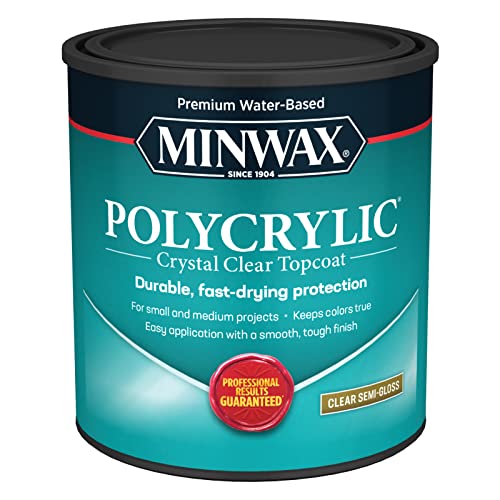 Minwax 1 qt Minwax 64444 Clear Polycrylic Water-Based32 fl oz4.4 x 4.4 x 5 inches2.25 poundsCheck on Amazon
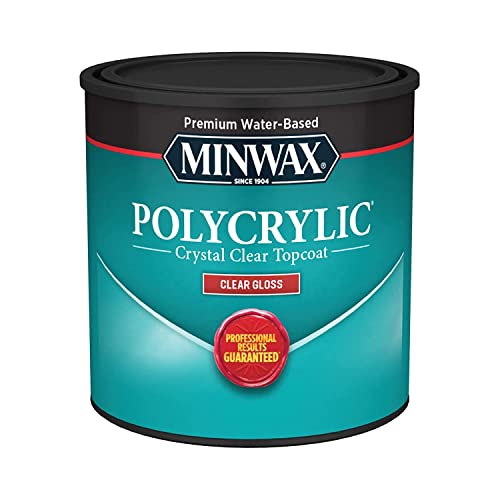 Minwax 1/2 pt 25555 Clear Polycrylic Water-Based Protective8 fl oz2.9 x 2.9 x 3 inches0.65 poundsCheck on Amazon
 Varathane Water-Based Ultimate Satin PolyurethaneHalf Pint (Pack of 1)3 x 3 x 3 inches0.64 poundsCheck on Amazon

What Makes a Species Waterborne-Friendly?
Water-based finish does not soak into wood in quite the same way as an oil finish. It forms a film fairly quickly, so the wood must be evenly sanded and free of contamination. Species with consistent density and low resin content are the most predictable.
Water can also dissolve or mobilize extractives in some woods. Oak, mahogany, cedar, and certain imported species may release tannins or colored compounds that turn the finish yellow, brown, or gray. The problem is most obvious on pale finishes, white-painted projects, and clear coats over light-colored wood.
Use a water-based polyurethane finish when you want better abrasion and moisture resistance than a basic acrylic coating. For lightly used furniture, a waterborne acrylic or acrylic-polyurethane blend can be adequate and may remain slightly less expensive.
Best Wood Species for the Job
| Wood species | Waterborne finish performance | Main advantage | Main caution |
|---|---|---|---|
| Hard maple | Excellent | Even, pale, low-resin surface | Shows sanding scratches and glue clearly |
| Birch | Very good | Affordable and light colored | Can appear blotchy with stain |
| Ash | Very good | Open grain and attractive texture | Large pores may need extra finish |
| Oak | Good | Durable and widely available | Tannins can discolor pale coatings |
| Cherry | Good | Smooth grain and warm color | Darkens naturally with light exposure |
| Walnut | Good | Rich color that needs little stain | Porous end grain and higher material cost |
| Pine | Fair | Cheap and easy to find | Resin, knots, dents, and uneven absorption |
| Poplar | Very good for paint | Low cost and easy to machine | Green or gray tones under clear finish |
The Most Predictable Choices
Hard maple is one of the safest choices for a clear, low-VOC finish. Its pale color changes little under a waterborne coating, and its tight grain produces a smooth surface. Maple is not forgiving of poor sanding: scratches that seem invisible before finishing can stand out sharply after the first coat. Sand through 150 or 180 grit, then stop at 180 or 220 depending on the product instructions. Over-sanding can burnish the surface and reduce adhesion.
Birch is a practical lower-cost alternative. It is commonly available as plywood and solid stock, making it useful for cabinets, shelves, and painted furniture. Clear-coated birch can look slightly uneven because the grain absorbs finish differently. If you plan to stain it, test first; a water-based wood conditioner may reduce uneven absorption, although it can also make the final color lighter.
Ash accepts waterborne finish well and has a pronounced grain similar to oak. It is a strong choice when you want visible texture rather than a flat, uniform surface. Because the pores are large, the first coat may look uneven. Lightly sand after it dries and apply at least two more coats for a consistent film.
Poplar is best when the final surface will be painted. It machines easily, costs less than maple, and generally does not create tannin problems as severe as red oak. Its green, gray, and purple streaks make it less attractive under a clear finish. For painted work, spot-prime end grain and any exposed knots before applying the topcoat.
Species That Need More Care
Oak is not a poor choice, but it deserves a test board. White oak and red oak both contain tannins that can react with waterborne products, especially around end grain, knots, and iron contamination. Use clean stainless or coated sanding equipment, remove dust thoroughly, and test the exact finish on an offcut. A stain-blocking water-based primer can help when tannin bleed appears, but it may slightly obscure the grain.
Cherry finishes smoothly and usually needs no stain. Its color will deepen from pinkish tan to reddish brown over months or years of light exposure. A clear waterborne coating slows handling damage but does not stop that color change. If matching new replacement parts to older cherry, expect the pieces to differ even when the finish is identical.
Walnut is naturally dark and attractive under a clear finish. Its open pores and end grain may absorb the first coat unevenly, so do not judge the final appearance after one application. Walnut dust can also leave dark residue in scratches and pores. Vacuum, then wipe with a clean, slightly damp lint-free cloth and allow the surface to dry completely before finishing.
Pine and fir are the economical choices, and they are perfectly acceptable for shelves, trim, shop furniture, and rustic projects. Their weakness is inconsistency. Soft earlywood absorbs finish differently from harder latewood, while knots can bleed resin or remain glossy. Seal knots with a compatible stain-blocking primer, and expect to use a sanding sealer or extra finish coat if the surface feels uneven.
Preparation and Application
Sand with progressively finer abrasive, removing all cross-grain scratches. For most waterborne clear finishes, 150 to 180 grit is a useful stopping point; 220 grit is appropriate for a very smooth project if the manufacturer permits it. Do not polish the wood to 320 grit unless testing shows the finish still adheres well.
Remove glue squeeze-out mechanically before final sanding. Waterborne finish can reveal glue as pale, shiny patches because glue seals the fibers. Inspect the surface under angled light, then wipe it with a clean cloth dampened with water. This raises loose grain and exposes missed glue. Let the wood dry, sand the raised fibers lightly with 220 grit, and remove the dust.
Apply thin coats rather than one heavy coat. Most products need roughly 2 to 4 hours before recoating, though cool or humid conditions can extend that time. Lightly sand with 320 grit between coats only when the label recommends it or when dust nibs make the surface rough. Two coats may work for low-wear décor; three or four are more sensible for tabletops, doors, and frequently handled furniture. A foam brush set for water-based finish can reduce brush marks on small projects, but a quality synthetic brush is usually better for large panels.
How to Make the Buying Decision
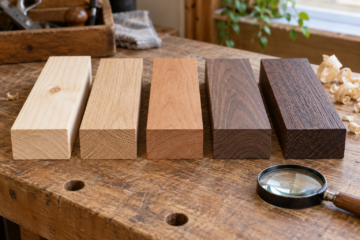
Choose maple or birch for the lowest-risk clear finish, poplar for painted parts, and ash when you want bold grain. Choose oak, cherry, or walnut for their appearance, accepting the need for a test panel and more careful preparation. Choose pine when price matters more than a perfectly uniform surface.
Regardless of species, buy enough finish for the complete project and keep the same product for every coat. Mixing brands or gloss levels can change sheen and adhesion. The cheapest wood is only a bargain when its knots, blotches, and extra preparation do not cost more time than a cleaner, more stable species.
0 Comments