What's inside
As an Amazon Associate I earn from qualifying purchases. This post may contain affiliate links at no extra cost to you.
A bench seat takes more abuse than a decorative tabletop: people slide across it, damp coats leave marks, and edges get knocked. For a natural finish, the wood’s color and grain remain visible, so species choice matters as much as the clear coat. The best choice depends on whether you value low cost, light color, outdoor durability, or easy finishing.
As an Amazon Associate we earn from qualifying purchases at no extra cost to you.
Our Top Picks
 Varathane Water-Based Ultimate Satin PolyurethaneHalf Pint (Pack of 1)3 x 3 x 3 inches0.64 poundsCheck on Amazon


Wood species compared
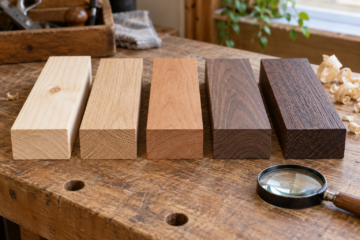
| Species | Appearance | Durability and workability | Best fit |
|---|---|---|---|
| White oak | Light to medium brown, prominent grain | Hard and wear-resistant; open grain takes extra filling for a smooth finish | Hard-use indoor benches and covered porches |
| Hard maple | Very light, subtle grain | Hard and dense; can show uneven color with some finishes | Clean, pale indoor benches |
| Cherry | Pinkish tan that deepens with light | Easy to machine and finish; softer than oak or maple | Indoor benches where a warm, changing color is welcome |
| Walnut | Rich brown with varied grain | Stable and easy to work; usually costs more | Furniture-grade indoor benches |
| Cedar | Warm, often knotty | Lightweight and naturally weather-resistant; dents easily | Outdoor benches where low weight matters |
| Poplar | Pale, sometimes greenish or streaked | Inexpensive and easy to work; dents readily | Budget indoor projects, especially when painted |
Best all-around: white oak
White oak is a strong choice for a bench that will see regular use. Its hardness helps resist dents and wear, and its grain looks good under a clear finish. It is also more moisture-resistant than many common indoor hardwoods, though that does not make an outdoor bench waterproof. Keep joints tight, seal all faces and end grain, and expect to maintain the finish if the bench gets rained on.
Oak’s open pores are a trade-off. A clear coat without grain filler leaves a textured surface, which is often fine on a seat and simpler to apply. If you want a flat, glass-smooth top, use pore filler before the finish or choose a less open-grained species. For a natural look, a satin clear coat avoids the plastic shine that a thick gloss build can give.
Best for a light finish: hard maple
Hard maple stays pale and has a restrained grain, making it a good match for a bright, simple interior. Its density gives it good resistance to seat wear, but the tight grain can make it less forgiving to stain. Pigmented stains may turn blotchy, especially on figured areas or unevenly sanded boards. If you want maple’s natural color, skip the stain and apply a clear finish. Test the finish on an offcut: even a clear coat can add a noticeable amber cast.
Best for warmth: cherry and walnut
Cherry is a practical furniture wood that sands and finishes readily. It starts light pinkish brown and darkens with exposure to light, so boards that are partly covered by cushions or objects can change color unevenly. That is normal; it matters if you expect the original color to stay fixed. A clear finish shows cherry’s change rather than preventing it.
Walnut offers a darker, more varied appearance without stain. It works well for a refined indoor bench, but the higher material cost may not pay off for a utility seat. Both species are softer than hard maple, so sharp edges and heavy impacts can leave marks. Ease the seat’s front edge with a small round-over—about 1/8 to 1/4 inch—to reduce splintering and make it more comfortable.
For outdoor benches: cedar, with limits
Cedar weighs less than oak and handles outdoor exposure better than most common furniture woods. Its softness is the catch: a dropped tool or belt buckle can dent the seat, and screw heads can crush fibers if over-tightened. Choose clear, straight-grained stock for a smoother seat; knotty boards are cheaper but knots may loosen or crack.
For an uncovered bench, no clear film finish is maintenance-free. Sunlight and standing water eventually degrade coatings, and peeling film is harder to repair than a worn penetrating finish. Use a finish labeled for exterior wood, coat all surfaces before assembly where practical, and plan on inspection and renewal. A bench under a roof will generally need less frequent attention.
When the cheaper option is fine
Poplar is inexpensive, stable, and easy to cut, but its color can include green or gray streaks that remain visible under clear finish. It is a sensible choice for a lightly used indoor bench if you like its appearance and accept dents. For a seat that will be used daily, white oak or maple is a more durable buy. If the bench will be painted, poplar’s uneven color matters less; prime it well and use paint intended for furniture or trim.
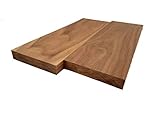
Before buying, check the boards for twist, deep checks, loose knots, and grain runout near the ends. A straight board with fewer defects often saves more time than a nominally premium species with defects. For a straightforward indoor project, compare hardwood boards in your chosen species and check actual thickness and board dimensions rather than relying on the listed nominal size.
Sand and finish for a durable seat
Sand evenly through the grits: for rough stock, start at 80 or 100; then use 120 and 150, finishing at 180 for most clear-coated benches. Going much finer can reduce finish adhesion or make some surfaces look uneven. Remove dust between steps and inspect under raking light; cross-grain scratches often become obvious only after the clear coat goes on. Test the full sanding and finishing schedule on scrap from the same board.
For an indoor bench, a water-based clear coat preserves pale woods better, while oil-based finishes add warmth and amber color. Follow the label for coat count and recoat time; many products need 2–3 coats, with light sanding between coats. Avoid leaving a thick finish on the seat’s underside or in joints, where drips and poor adhesion can cause problems. A quality water-based satin clear coat is a reasonable starting point for an indoor bench when keeping the wood light matters. For a frequently used seat, prioritize a product rated for furniture or floors over a finish chosen only for its label appearance.
0 Comments