What's inside
As an Amazon Associate I earn from qualifying purchases. This post may contain affiliate links at no extra cost to you.
A golden cabinet finish can come from the wood itself, a clear finish that warms it, or a stain that adds color. Those routes produce different results. If you want visible grain and a natural look, choose a species with a warm base color and test your topcoat on a sample before buying enough lumber or doors for the whole kitchen.
As an Amazon Associate we earn from qualifying purchases at no extra cost to you.
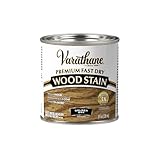


Our Top Picks
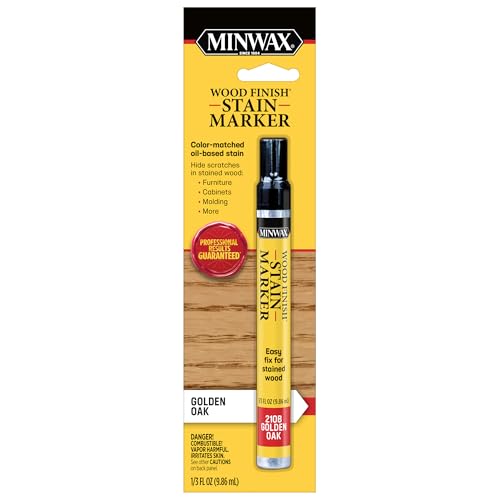 Minwax 63481000 Wood Finish Stain Marker for TouchPack of 1 (1/3 oz each)2.25 x 0.5 x 8.5 inches1 PoundsCheck on Amazon
 1/2 pt Minwax 13407 Clear Pre-Stain Wood Conditioner1/2 Pint3 x 3.25 x 3 inches0 PoundsCheck on Amazon


Best wood species for a golden look
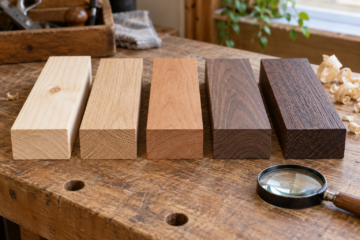
White oak is a reliable choice for a light, golden-brown finish. Its prominent grain gives doors texture, and its open pores take stain readily. A clear water-based finish usually keeps it paler; an oil-based finish tends to deepen and amber it. White oak costs more than many common cabinet woods, and its strong grain may be too busy for a quiet, uniform look.
Cherry starts with a warm pinkish-brown cast and darkens with light exposure. A clear finish can bring out a rich amber tone over time, but the color change is gradual and uneven exposure can leave visible differences between shaded and sunlit areas. Choose cherry when you welcome that natural variation, not when every door must match exactly.
Maple has a fine, subtle grain and a pale starting color. It can be stained golden, but its dense, tight grain often absorbs stain unevenly, creating blotches. A washcoat or pre-stain conditioner can reduce the risk, though it may also make the color lighter. Maple is a good buy for a restrained appearance if you prepare samples carefully.
Alder is usually less expensive than cherry and has a relatively soft, even look. It takes warm stains well, but knots and color variation may show through. For a rustic or casual kitchen, that character can be a feature; for tightly matched doors, sort the boards and expect extra selection work.
Birch is another budget-friendly option, but its pale, sometimes irregular grain can turn blotchy under stain. It is more predictable with a light clear finish or a carefully tested toner than with a dark, direct-applied stain.
How the main choices compare
| Species | Golden look with clear finish | Staining difficulty | Best fit |
|---|---|---|---|
| White oak | Strong, grain-forward warmth | Low to moderate | Visible grain and a durable, classic look |
| Cherry | Warm; deepens over time | Moderate | Natural color variation and aging |
| Maple | Light, subtle warmth | High | Fine grain and a more uniform style |
| Alder | Soft, mild warmth | Low to moderate | Lower-cost doors with natural variation |
| Birch | Pale, usually less golden | Moderate to high | Budget projects, especially with clear finish |
Choose between clear finish and stain
If the wood is already close to your target, a clear finish is simpler and preserves its natural differences. An oil-based varnish or polyurethane usually adds amber warmth; water-based clear finishes tend to stay clearer. Neither is perfectly colorless, so test the actual product on the same species and sanding schedule as the doors. For a cabinet with mixed sunlight, a clear, non-yellowing finish can help limit additional color shift.
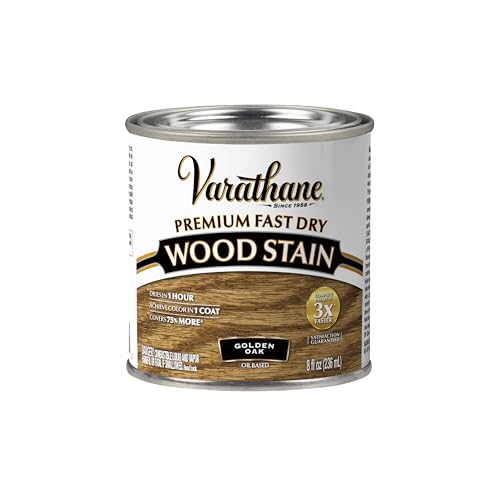
Stain is useful when you want more golden color or need to bring pale wood closer to a sample. A golden oak wood stain is a reasonable starting category, not a guaranteed match: color varies by brand, wood, application, and topcoat. Wipe-on stains can be easier to control on small samples, while gel stains can help reduce blotching on maple or birch. Follow the label’s recoat directions and remove excess stain; a thick, unwiped layer can dry sticky or interfere with the finish.
Sample and prepare before finishing
Make samples from the same wood species and, if possible, the same batch as the doors. Sand them through the grit you plan to use—often 120, 150, then 180 for cabinet work—and use the same stain and topcoat. Sanding much finer can burnish some woods and reduce stain uptake; stopping too coarse can leave scratches that show under a golden color. Inspect the sample in the kitchen’s lighting, both in daylight and at night.
For maple or birch, test a conditioner or a thin washcoat on one sample and compare it with an untreated one. A conditioner can make color more even but may reduce stain intensity. Don’t rely on a scrap of different wood or a color printed on a can. The finish coat often changes the apparent color, so judge the complete stack of stain and topcoat after it has dried.
Before finishing, remove dust and handle doors with clean gloves. Keep stain and clear finish off hinge cups and other glue surfaces; contamination can weaken bonding. Apply thin, even coats and allow full drying between them. Poor ventilation, low temperature, or heavy coats can slow curing and leave a finish that marks easily.
What to buy for your project
For a grain-forward golden finish, start with white oak and a clear finish or a light stain. For warm color that deepens naturally, consider cherry. If cost matters and a softer, variable look is acceptable, alder can be a sensible compromise; it does not need premium stain to look good. Maple and birch can work, but budget time for extra sampling rather than assuming a golden stain will hide their uneven absorption.
Buy a small amount of the intended stain and finish first, then test at least two combinations on offcuts. A pre-stain wood conditioner is worth considering for blotch-prone species, but it is not a substitute for a test. The best result is the one that matches your doors under your lighting and cures reliably—not simply the species or stain with the warmest name on the label.

0 Comments