What's inside
As an Amazon Associate I earn from qualifying purchases. This post may contain affiliate links at no extra cost to you.
For a natural clear finish, the best plywood face veneer is usually the one that suits the look and wear the project needs—not the most expensive sheet in the yard. Birch is a dependable choice for a light, even appearance; maple gives a similarly pale face with subtler grain; and oak makes the wood pattern more prominent. The bigger risks are often a thin face veneer, glue showing through, or uneven sanding—not the species itself.
As an Amazon Associate we earn from qualifying purchases at no extra cost to you.


Our Top Picks
 Polyurethane Wood Finish Water Based Polyurethane Clear Gloss100 ml1.6 x 1.6 x 4.7 inchesCheck on Amazon
 Varathane Water-Based Ultimate Satin PolyurethaneHalf Pint (Pack of 1)3 x 3 x 3 inches0.64 poundsCheck on Amazon


Choose the look before the sheet
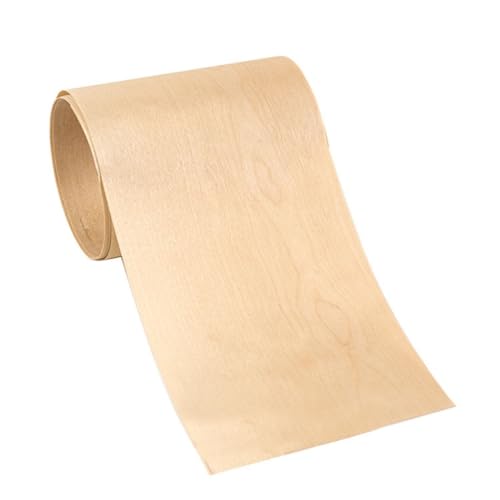
Look at full-size samples under the lighting where the finished piece will live. A small showroom swatch can hide color variation, patching, and grain changes across a cabinet door or tabletop. “Natural” also does not mean colorless: clear finish usually deepens the wood and makes differences between veneer leaves more visible.
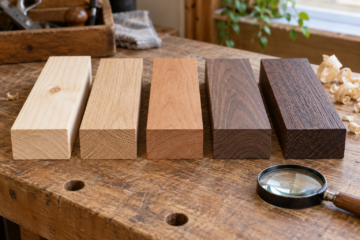
Birch and maple suit clean, pale interiors, though both can look blotchy under some oil-based finishes. White oak has stronger grain and typically takes on a warmer, more pronounced color when sealed. Red oak is more pink or amber. If the goal is a quiet, uniform surface, choose a sheet with a face you like rather than expecting stain or clear coat to disguise defects.
Common faces compared
| Face veneer | Appearance under clear finish | Good fit | Watch for |
|---|---|---|---|
| Birch | Light, fine grain; often fairly uniform | Cabinet interiors, shelves, simple furniture | May blotch with penetrating oil or stain; face can be very thin |
| Maple | Pale and subtle, with occasional figure | Modern furniture and light-colored casework | Can show glue contamination and uneven color |
| White oak | Distinct grain; warm, sometimes golden | Furniture and cabinetry where grain is part of the design | Strong pattern and color variation between leaves |
| Red oak | Open grain, often pinkish or amber | Traditional interiors and projects matching existing oak | Clear finish can exaggerate its warm tone |
These are tendencies, not guarantees. Grade, cut, repairs, and the manufacturer’s layup all affect the result. Compare the actual sheet, and check both faces if the back will be visible.
What to check when buying
Ask for cabinet-grade or furniture-grade plywood with a veneer face suitable for a clear finish. Grade labels vary by manufacturer, so inspect the face instead of relying on the name alone. Look for an intact surface, clean repairs, and no open splits, bubbles, or patches that will clash with the design. A straightedge can help reveal a bowed sheet, although some bow is manageable if the panel will be captured in a rigid cabinet.
Face veneer thickness matters. Many decorative faces are thin enough that aggressive sanding can cut through to the darker core or expose glue lines. If the supplier can confirm veneer thickness, do so; otherwise, treat the face as fragile. For a broad tabletop, a better face and more stable core are worth paying for. For painted backs, drawer bottoms, or utility shelving, a cheaper sheet may be perfectly sensible.
Check the panel core at the edge. Voids can cause trouble when you route an edge or fasten near it, even though they do not necessarily affect the face. For exposed edges, plan to apply solid-wood edging or veneer tape; clear finish on a raw plywood edge usually leaves the plies visible.
Prepare the surface without sanding through
Start by removing dust and checking for dents, loose veneer, and glue smears. Sand lightly by hand with a sanding block, following the grain. A practical sequence is 120 grit only if the face has obvious roughness, followed by 150 or 180 grit. On a smooth factory face, begin at 180. Avoid routine sanding beyond 220 grit: it can burnish the surface and reduce finish adhesion without improving the appearance.
Use low pressure and make a test pass on an offcut. If the veneer changes color or a patch appears, stop—the face may be thinner than expected. Do not use a belt sander on decorative plywood. A random-orbit sander can also cut through quickly at edges, so keep it moving and stay clear of corners. Vacuum thoroughly, then wipe with a clean cloth appropriate to the finish. Water can raise grain or disturb exposed glue, so do not wet the face casually.
Choose a clear finish for the intended use
For indoor furniture and cabinets, a water-based clear finish tends to keep pale birch and maple closer to their original color. Oil-based polyurethane usually adds more amber warmth, which can look good on oak but may make light faces appear yellow. Neither choice is universally better. Test the exact finish on an offcut from the same sheet, including any sanding and sealer steps.
For a forgiving first project, consider a water-based clear wood finish. Apply thin coats and follow the label’s recoat times. Many products call for light sanding between coats, often around 220 grit, but the label takes priority. A tabletop needs a finish rated for the expected wear; a decorative cabinet side does not need the same build as a frequently cleaned work surface.
If you want to preserve a very pale appearance, a matte water-based polyurethane is one option. “Clear” and “non-yellowing” are relative terms, so the sample board is still essential. Matte finishes also show fewer reflections but can be harder to touch up invisibly than a simple satin surface.
Avoid common clear-finish failures
Blotchy patches may come from uneven sanding, glue squeeze-out, or a naturally uneven veneer—not just from the finish. Glue can seal the wood so finish absorbs differently, and it may be difficult to spot before coating. Inspect the face with raking light, remove visible residue carefully, and test the whole process on scrap. Do not try to fix a patch by sanding one small area harder; that can create a low spot or sand through the face.
For birch or maple that looks uneven with a penetrating finish, a compatible sanding sealer or washcoat may improve consistency, but it changes the process and can reduce the depth of the wood’s appearance. Try it on an offcut before committing. If a perfectly uniform color matters more than visible grain, plywood with a sound face under paint may be a better purchase than a premium veneer chosen for clear coating.

0 Comments