What's inside
As an Amazon Associate I earn from qualifying purchases. This post may contain affiliate links at no extra cost to you.
The best core material for a veneer panel with a clear finish is usually MDF, but not always. MDF gives the flattest, most uniform surface and is the easiest core to veneer cleanly. Plywood is the better choice when the panel needs screws, lighter weight, or better resistance to moisture. Particleboard can work for inexpensive indoor furniture, but its edges and fastener holding are weaker.
A clear finish exposes flaws that paint can hide. Uneven glue lines, dents, sanding scratches, core telegraphing, and mismatched veneer color will all remain visible under polyurethane, lacquer, or oil. Choose the core based on the finished panel’s size, edge treatment, hardware, and expected humidity—not just the price per sheet.
As an Amazon Associate we earn from qualifying purchases at no extra cost to you.


Our Top Picks

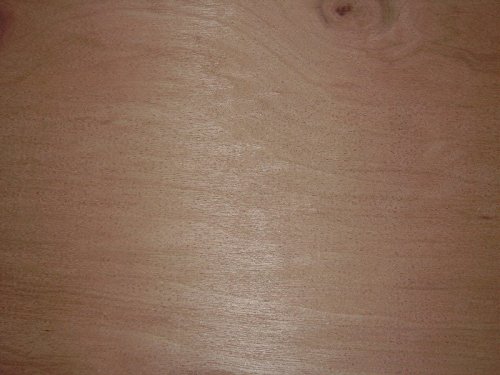


MDF for the Smoothest Finish
Medium-density fiberboard is the safest general-purpose choice for veneered cabinet doors, furniture panels, speaker enclosures, and wall panels that will stay indoors. Its fine, homogeneous fibers provide a flat surface without the voids and grain changes found in plywood. Thin wood veneer bonds evenly to it and is less likely to show a core pattern through the face.
Standard MDF is typically 3/4 inch thick and weighs roughly 90 to 100 pounds per 4-by-8-foot sheet. That weight is its main drawback. A large door made from MDF can become difficult to hang, and shelves may sag unless they are kept relatively short or reinforced.
MDF also has poor moisture resistance. A small amount of humidity is not a problem after all faces and edges are sealed, but water at an exposed edge can cause rapid swelling. For a bathroom vanity, laundry-room cabinet, or other damp location, use moisture-resistant MDF if available, or choose a suitable plywood core instead.
For most clear-finished indoor work, look for iron-on veneer edge banding or solid-wood edging to cover MDF edges. Raw MDF edges absorb finish unevenly and look noticeably darker than the veneered face.
Plywood for Strength and Hardware
Good-quality hardwood plywood is the better core when the panel must hold screws, survive handling, or span a greater distance. Its cross-laminated construction gives it better resistance to splitting and generally better stiffness at the same thickness. It is also easier to carry than MDF.
The trade-off is surface quality. Cheap plywood may have face defects, football patches, open voids, or a slightly uneven veneer surface. Those defects can telegraph through a thin decorative veneer. A high-grade, veneer-core sheet or a stable multi-ply sheet is worth the extra cost when the finished face will be clear-coated.
Check the actual panel before buying. Sight along its length for bow and twist, and inspect the edges for gaps between plies. A small void may not matter in a painted cabinet, but it can create a soft spot beneath a veneer and become visible after clamping. Cabinet-grade plywood is usually a better starting point than construction plywood.
For a premium flat panel, consider 3/4-inch hardwood plywood veneer from a local lumberyard or specialty supplier. Online listings are useful for comparing types, but sheet quality is difficult to judge from photographs.
Particleboard When Low Cost Matters
Particleboard is a reasonable budget core for dry, indoor projects such as closet components, simple cabinet sides, and occasional-use furniture. Its surface is relatively smooth, and it is often flatter than inexpensive construction plywood. A veneered particleboard panel can look excellent when the edges are properly covered.
Its weaknesses are easy to predict. Screw threads strip more readily, especially near an edge. The material sags more under load, and moisture causes serious swelling that is difficult or impossible to repair. Use confirmat screws, threaded inserts, or glued joinery rather than relying on repeated removal of ordinary wood screws.
The cheaper option is fine when the panel is fully supported, remains indoors, and does not need to carry heavy hardware. It is a poor choice for a freestanding workbench, a frequently moved table, or a sink cabinet. If the price difference is modest, MDF usually gives a cleaner and more durable substrate for a clear finish.
Lumber-Core and Specialty Cores
Lumber-core plywood uses solid wood strips between veneer layers. It can be lighter than MDF and offers good screw holding, making it useful for wide doors and furniture panels. However, the inner strips can move differently from the outer veneer as humidity changes. That movement may telegraph as faint lines or cause joints to open, particularly with a thin face veneer.
For high-end work, a stable multi-ply plywood core or a composite panel made specifically for veneering is often more predictable. These products cost more, but they reduce the chance of warping and core show-through. A solid-wood core is not automatically superior; its changing moisture content can create more movement than a stable engineered panel.
| Core | Clear-finish surface | Strength and screw holding | Moisture tolerance | Best use |
|---|---|---|---|---|
| MDF | Excellent and uniform | Moderate | Poor unless moisture-resistant grade | Flat interior panels and doors |
| Hardwood plywood | Good to excellent, depending on grade | Good | Better than MDF, but not waterproof | Cabinets, shelves, and handled furniture |
| Particleboard | Good when edges are covered | Fair to poor | Poor | Low-cost, dry-location projects |
| Lumber-core plywood | Good, but movement can show | Good | Moderate | Lightweight furniture and wide panels |
Veneer Preparation and Gluing
Use veneer of at least 1/32 inch for ordinary furniture work; thicker 1/16-inch veneer gives more sanding margin and is safer for a clear finish. Book-match or sequence-match sheets before applying adhesive, and veneer both faces of a panel whenever possible. A single veneered face can pull the panel into a curve as it dries.
Prepare MDF with a light sanding using 150-grit paper. Do not round over the edges, and do not polish the surface with very fine abrasive. Plywood may need a skim coat or sanding to remove raised grain and minor defects. Remove all dust before spreading adhesive.
Use a glue intended for veneer work, such as a cold press veneer adhesive or a suitable wood glue recommended for the veneer and core. Apply even pressure across the entire panel. A vacuum bag produces consistent pressure, but a flat caul and clamps can work on smaller panels. Follow the adhesive’s open time and cure time; rushing the panel can leave bubbles or weak bonds. Veneer vacuum bag kits are useful for large or curved work, but they are not required for a small flat panel.
Sanding and Clear-Coating
After the adhesive cures, trim the veneer carefully and sand with the grain. Start around 120 or 150 grit only if glue residue or unevenness requires it, then finish at 180 grit for most clear finishes. Stop at 180 or 220 grit unless the finish manufacturer specifies otherwise; over-polishing can reduce adhesion.
Test the complete finishing schedule on a scrap made from the same core and veneer. Water-based finishes stay relatively clear, while oil-based finishes and many solvent finishes add amber color and can emphasize differences between veneer leaves. Seal all faces and edges, especially MDF and particleboard edges. Apply at least two or three finish coats, sanding lightly between coats as directed. The core matters, but careful preparation determines whether the clear finish looks professional.

0 Comments