What's inside
As an Amazon Associate I earn from qualifying purchases. This post may contain affiliate links at no extra cost to you.
Our Top Picks
 Varathane Water-Based Ultimate Matte PolyurethaneQuart (Pack of 1)9.8 x 5.5 x 6.3 inches2.2 poundsCheck on Amazon



Choosing the Right Species
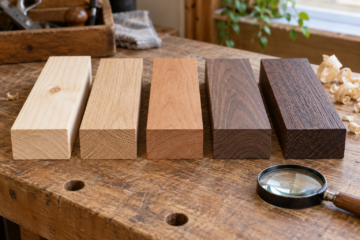
A light Scandinavian-style finish usually means pale wood, low visual contrast, a matte or satin sheen, and little or no orange or red color. The best results come from choosing a species that already looks close to the target. Clear finish can protect the surface, but it cannot make reddish cherry, dark walnut, or strongly figured mahogany look naturally Scandinavian.
For most projects, ash is the best all-around choice. Maple gives the palest, quietest appearance. Birch is an economical middle ground, while white oak works when you want a more visible grain pattern. Pine is inexpensive and easy to find, but it needs more careful preparation to avoid blotching.
As an Amazon Associate we earn from qualifying purchases at no extra cost to you.



| Species | Natural appearance | Workability | Main risk | Best use |
|---|---|---|---|---|
| Ash | Pale cream with open, attractive grain | Easy to machine and sand | Open grain can look uneven under finish | Furniture, shelves, cabinets |
| Hard maple | Very pale, fine, fairly uniform grain | Harder to cut and sand | Can look nearly featureless or develop blotches with stain | Clean-lined furniture and worktops |
| Birch | Light tan with subtle grain | Easy, but can tear around knots | Stains unevenly | Panels, plywood, budget furniture |
| White oak | Light beige with prominent grain | Generally easy to work | More yellow and visually active | Tables, flooring, durable furniture |
| Pine | Pale yellow with strong knots and growth lines | Very easy and inexpensive | Resin, dents, and severe stain blotching | Rustic furniture and painted projects |
Ash: The Best Balanced Choice
Ash is the safest recommendation when you want a light finish that still shows convincing wood grain. It is pale enough for Nordic interiors, but its open grain prevents a large tabletop or cabinet door from looking bland. It also accepts clear water-based finishes more predictably than birch or pine.
Use ash when the grain is part of the design. On wide boards, inspect the end grain and face for large cathedral patterns, mineral streaks, and color differences. These are not defects, but they can make a minimalist piece look busier than expected. A final sanding with 180 grit followed by 220 grit is usually sufficient. Sanding much finer can reduce finish adhesion and make the surface look unevenly reflective.
Maple for the Purest Pale Look
Hard maple is the closest choice to a nearly white, understated finish. Its grain is fine and relatively quiet, making it suitable for modern cabinets, desks, and small furniture. It is also hard and wear-resistant.
The trade-off is that maple is less forgiving to work. Dull planer knives can leave burn marks, and aggressive sanding can create shiny patches that show under a clear coat. Use sharp cutters, inspect the surface under raking light, and sand evenly. Maple also tends to look slightly warmer after finishing, so test the actual finish on an offcut rather than judging the raw board.
Do not use a dark or strongly pigmented stain on maple unless you specifically want contrast. The fine grain gives stain little structure to follow, and uneven absorption can produce cloudy patches.
Birch and Birch Plywood
Birch has a soft, pale appearance and is often the practical choice for Scandinavian-style plywood furniture. Birch plywood provides stable, broad panels without the cost or movement problems of wide solid boards. Its exposed edges can be attractive when the plies are clean and evenly layered.
Birch is also one of the easiest species to blotch. If you need color, use a light dye, a controlled washcoat, or a product specifically intended for blotch-prone woods. A washcoat is a thin coat of finish or sanding sealer that reduces absorption. Apply it evenly, let it dry, sand lightly with 220 grit, and test the stain again. Too much sealer can make the color sit on top and look lifeless.
For a natural look, skip stain and use a clear water-based finish. This keeps birch lighter than most oil-based finishes, which tend to add a noticeable amber cast.
White Oak for Visible Grain
White oak is a good choice when “light Scandinavian” does not mean “almost white.” It has a strong, linear grain and enough character for dining tables, benches, and flooring. It is harder and more dent-resistant than pine, though usually less pale than maple or birch.
White oak can turn yellow-beige under oil-based polyurethane. A water-based matte wood finish limits that color shift. If you want an even paler, cooler result, a white-tinted hardwax oil or washcoat-and-topcoat system can work, but it must be tested carefully. Too much white pigment fills the grain and produces a painted, chalky appearance.
When Pine Is Good Enough
Pine is the cheaper option and is perfectly reasonable for shelves, wall slats, simple benches, and painted furniture. It is easy to cut and widely available. Choose clear, kiln-dried boards with small knots if you want a cleaner modern appearance; construction lumber often has excessive moisture, torn grain, and twist.
For natural pine, do not expect a uniform maple-like surface. The soft earlywood absorbs finish differently from the dense latewood, and knots can bleed resin through paint or clear coats. A pre-stain wood conditioner can reduce contrast, but it will not eliminate it. On knots, use a shellac-based stain-blocking primer before painting. Pine is fine when visible variation suits the project; it is a poor choice when you need a flawless pale panel.
Finishing and Surface Preparation
Start with clean, flat wood. Remove machine marks with 120 or 150 grit, then finish with 180 or 220 grit. Vacuum thoroughly and wipe with a clean, lightly dampened cloth if the finish manufacturer allows it. Do not use a greasy household cleaner; residue can cause fisheyes and adhesion failure.
Apply finish to a sample containing both face grain and end grain. End grain absorbs much more product and can become visibly darker. On assembled furniture, ease sharp edges with a small sanding block; finish tends to pull away from knife-sharp edges and leaves them under-protected.
For the lightest color, choose a water-based polyurethane, acrylic-urethane, or clear water-based furniture finish. Apply two or three thin coats rather than one heavy coat. Lightly sand between coats only when the instructions call for it, typically with 320 grit. A matte or satin sheen hides minor scratches better than gloss and fits the Scandinavian look.
If you want a traditional oil finish, expect more warmth and a longer cure. Oil can emphasize grain attractively, but it often turns maple, birch, and ash noticeably amber. For a pale result with a natural feel, compare a white-tinted hardwax oil on scrap before committing. The cheaper clear finish is usually the better choice when color accuracy matters more than a hand-rubbed appearance.
Avoid Common Failures
Most disappointing results come from skipping the sample board, sanding unevenly, or assuming “clear” means colorless. Finish at room temperature, keep dust down, and allow full drying between coats. If the wood looks too yellow on the test piece, change the finish or species before building the project. No topcoat can reliably reverse an unwanted orange stain underneath.

0 Comments