What's inside
As an Amazon Associate I earn from qualifying purchases. This post may contain affiliate links at no extra cost to you.
Blushing is a cloudy white or gray haze that appears in a clear wood finish, most often in lacquer. It happens when moisture becomes trapped in the wet film as the finish dries. Cool temperatures, high humidity, poor ventilation, and spraying too heavily all increase the risk. The good news is that fresh lacquer blush can often be repaired without stripping the wood.
As an Amazon Associate we earn from qualifying purchases at no extra cost to you.
Our Top Picks
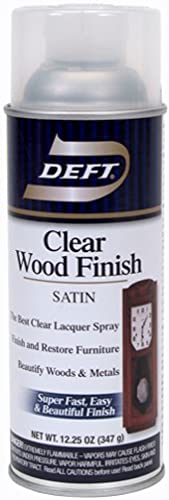 Deft Inc. Deft 037125017132 Interior Clear Wood Finish12.25 Ounce (Pack of 1)8 x 4 x 4 Inches0.1 poundsCheck on Amazon
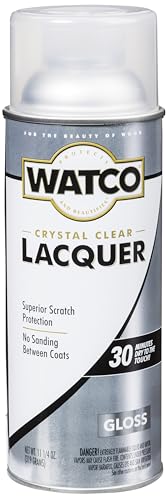 Watco Clear Gloss Lacquer Finish Spray0.09 Gallon (Pack of 1)2.69 x 2.69 x 7.88 inches0.9 PoundsCheck on Amazon
Identify the Problem Before You Sand
Blush usually looks like a milky veil, pale patches, or a cloudy band in the finish. It may be evenly distributed across a panel or concentrated around edges and recessed details. The surface is often smooth, although a heavy application can leave orange peel as well.
Do not assume every white mark is blush. Water trapped under a finish, poor adhesion, sanding dust, and glue residue can look similar. White rings beneath an older finish may be damage in the wood or finish layers rather than moisture trapped in a fresh coat. If the mark remains unchanged after gentle solvent testing, plan on sanding and refinishing instead of trying to dissolve it back into the coating.
| What you see | Likely cause | Best first step |
|---|---|---|
| Milky haze in a recent lacquer coat | Moisture trapped during drying | Reflow the finish with lacquer thinner or blush retarder |
| White ring after a wet glass or spill | Moisture damage below the surface | Dry thoroughly, then test solvent or sand locally |
| Cloudiness only after sanding | Fine scratches or sanding dust | Clean and apply another compatible clear coat |
| Cloudy polyurethane | Moisture, contamination, or application failure | Allow full cure, then sand and recoat |
Repair Fresh Blushing in Lacquer
If the lacquer is still fresh and the haze is mild, first move the piece into a dry, moderately warm area. Aim for roughly 65 to 80 degrees Fahrenheit and relative humidity below 60 percent. Improve air movement without blowing dust directly onto the wet finish. Sometimes the trapped moisture escapes as the coating dries.
For an active repair, use a lacquer blush retarder or a compatible lacquer thinner. A lacquer blush retarder is the safer choice because it is formulated to slow evaporation and let the existing finish flow together. Apply a light mist coat, not a wet flood coat. Hold the aerosol or spray gun about 8 to 12 inches from the surface and keep it moving. The haze may clear in seconds as the lacquer reflows.
Test first on a hidden area or scrap coated with the same finish. Too much retarder can soften the film, create runs, or cause new solvent entrapment. Give the repair at least several hours to dry before judging it. For a badly blushed surface, two or three light passes are safer than one heavy application.
Liquid lacquer thinner can also reflow a lacquer film, but it is less forgiving. Use it only when you know the coating is lacquer and apply a very light spray. Brushing solvent over the surface can smear color, lift stain, or create visible lap marks. Do not use lacquer thinner over polyurethane, water-based acrylic, or an unknown finish.
When Sanding and Recoating Is Necessary
If the finish has cured, the blush is deep, or reflow does not work, let the coating harden fully before sanding. Depending on the product, temperature, and film thickness, that may mean 24 hours for lacquer and several days for polyurethane. Sanding too soon can clog paper and pull soft finish from the surface.
Start with 320-grit stearated paper on a firm sanding block. Sand just enough to remove the haze and level the surface. Follow with 400 grit if the next coat will be sprayed, or 400 to 600 grit if the finish manufacturer permits it. Do not aggressively sand through the clear coat into stained wood; a thin spot can create a darker or lighter patch after recoating.
Vacuum the surface, then wipe it with a clean, dry microfiber cloth or the cleaner specified for that finish. Avoid tack cloths containing wax or unknown solvents. Apply a thin, compatible clear coat under better conditions. If you need clear spray lacquer, choose the same resin type and sheen as the existing finish. Mixing lacquer with polyurethane or a water-based coating can cause poor adhesion, wrinkling, or uneven gloss.
Polyurethane and Water-Based Finishes
Traditional oil-based polyurethane does not blush as commonly as lacquer. A cloudy polyurethane coat is more often caused by moisture, contamination, excessive thickness, or applying it over an incompatible surface. Let it cure completely, then test a small area with the manufacturer’s recommended solvent. If the coating remains hard and bonded, level it with 320-grit paper and apply another thin coat.
Water-based finishes can look cloudy while wet and often become clear as they dry. Do not sand or recoat simply because the wet film appears milky. If it remains cloudy after the stated drying time, the coat may have been applied too thickly, exposed to cold conditions, or contaminated with wax, oil, or silicone. Drying in a warmer, drier room may help, but a cured failed coat usually needs sanding and replacement.
Prevent Blushing on the Next Coat
Control the finishing environment before opening the can. Keep the wood, finish, and room above 60 degrees Fahrenheit, and avoid spraying when humidity is above about 70 percent. High humidity is particularly troublesome for fast-evaporating lacquer because evaporative cooling chills the wet film and condenses moisture inside it.
Apply several light coats rather than one heavy coat. Respect the recoat window on the label, because recoating too soon can trap solvent. Use clean, dry air from a properly drained compressor, and keep oily rags, silicone polishes, and dusty sanding operations away from the finishing area.
In damp weather, the cheaper fix is often waiting for better conditions. Buy retarder when the project cannot wait, but use it sparingly and test first. Good surface preparation and thin, compatible coats prevent more failures than any rescue product.
0 Comments