What's inside
As an Amazon Associate I earn from qualifying purchases. This post may contain affiliate links at no extra cost to you.
Ash is naturally pale, open-grained, and easy to darken by accident. The best clear finish for keeping it light is usually a water-based clear polyurethane, preferably labeled “crystal clear,” “non-yellowing,” or “water-clear.” It adds protection without the amber cast produced by most oil-based finishes.
That choice is not universal. A water-based finish gives ash a clean, nearly raw-wood appearance, while hardwax oil makes the grain feel richer and easier to repair. For a tabletop, cabinet, or frequently handled surface, the right finish depends on whether color accuracy, durability, repairability, or ease of application matters most.
As an Amazon Associate we earn from qualifying purchases at no extra cost to you.


Our Top Picks
 Varathane Water-Based Ultimate Satin PolyurethaneHalf Pint (Pack of 1)3 x 3 x 3 inches0.64 poundsCheck on Amazon
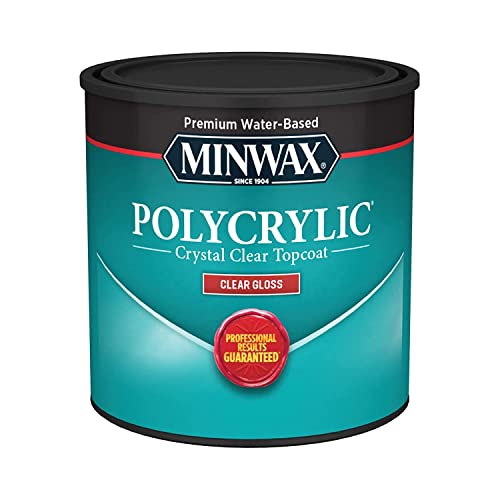 Minwax 1/2 pt 25555 Clear Polycrylic Water-Based Protective8 fl oz2.9 x 2.9 x 3 inches0.65 poundsCheck on Amazon
 Minwax 1 qt Minwax 65555 Clear Polycrylic Water-Based32 fl oz4.3 x 4.9 x 4.9 inches2.25 poundsCheck on Amazon
 Minwax Fast Drying Polyurethane Protective Wood FinishQuart4.1 x 4.1 x 5.1 inches1.95 PoundsCheck on Amazon

Best overall: water-based polyurethane
Water-based polyurethane is the safest recommendation when your main goal is preserving ash’s pale color. It dries clear, has relatively low odor, and commonly dries enough for another coat in about 2 to 4 hours. Three or four thin coats provide a practical finish for furniture, with light sanding between coats when the label calls for it.
Use a satin or matte sheen if you want the wood to look less coated. Gloss shows scratches, dust, and uneven grain more readily. A quality waterborne finish is also more resistant to water rings and household chemicals than most oils, although no clear finish makes a wood tabletop indestructible.
There are trade-offs. Water-based polyurethane can raise the grain, especially on the first coat, and some formulas can look slightly cloudy if applied too heavily or in cool, damp conditions. It also tends to make ash look cooler and flatter than an oil finish. That is often exactly what you want for a Scandinavian-style piece, but it may not suit a traditional interior.
Clear finish options for light ash
| Finish | Effect on ash color | Durability | Best use |
|---|---|---|---|
| Water-based polyurethane | Clearest; keeps ash pale | High | Tables, cabinets, desks, trim |
| Hardwax oil | Slightly warmer; enhances grain | Medium to high | Furniture where easy repairs matter |
| Oil-based polyurethane | Amber and increasingly yellow over time | High | When warmth is wanted |
| Shellac | Warm amber, depending on cut and color | Medium | Sealing, decorative furniture, low-wear surfaces |
| Danish or penetrating oil | Noticeably darkens and warms ash | Low to medium | Rustic pieces and simple maintenance |
When hardwax oil is the better choice
Choose a clear hardwax oil wood finish if you want ash to feel natural rather than sealed under a plastic-looking film. It soaks into the surface and leaves a thin protective layer. The grain usually becomes more pronounced, and small worn areas can often be cleaned and recoated without stripping the entire piece.
“Clear” does not mean colorless. Most hardwax oils deepen pale wood slightly, sometimes creating a wet-looking or lightly honeyed tone. Test it on an offcut. Some products are sold as “raw,” “natural,” or “invisible”; these may preserve the pale color better, but they can contain white pigments or flatten the natural contrast of the grain.
Hardwax oil is a good fit for a side table, shelving, or a dining table used normally. It is less forgiving on a heavily abused desk or kitchen work surface. Follow the spread rate precisely and remove all excess oil. Leaving a thick layer on ash can produce sticky patches, uneven sheen, and slow curing. Drying may take 12 to 24 hours between coats, with full curing taking several days or longer.
Finishes that change ash the most
Oil-based polyurethane is durable and inexpensive, so it is not a bad finish. It is simply the wrong choice if “light-colored” means nearly unchanged. The first coat can make ash look richer and darker, and the finish usually gains more amber color with age. The cheaper option is fine when you prefer a warm traditional appearance or are finishing a rustic project.
Boiled linseed oil, Danish oil, and tung-oil blends also darken ash. They are easy to wipe on, but they offer less surface protection than a good film finish and require periodic maintenance. Shellac is useful as a sealer and can be polished beautifully, but clear shellac is still warmer than waterborne polyurethane and has limited resistance to alcohol and standing water.
Prepare ash before applying clear finish
Sand evenly through 120, 150, and 180 grit. Stop at 180 for most furniture. Sanding much finer can reduce absorption and create uneven sheen with penetrating oils, while sanding too coarse leaves visible scratches under a clear film. Always sand with the grain for the final pass and remove dust with a vacuum followed by a clean, slightly damp cloth.
Ash has large pores and can show uneven absorption, particularly with oil. If you want a uniformly pale, smooth surface, apply a compatible water-based sanding sealer or first coat of polyurethane, let it dry, and sand lightly with 220 grit. Do not aggressively sand through the sealer on edges.
For water-based finishes, a light mist of clean water can raise loose fibers before the finish is applied. Let the wood dry completely, then sand those fibers off with 180 or 220 grit. This reduces the rough feel caused by the first wet coat. Do not soak the board, because excessive water can move joints or cause cupping.
Application and buying advice
Apply thin coats with a quality synthetic-bristle brush, microfiber applicator, or finish pad. Work in a clean room between 60 and 80°F (16 to 27°C). Avoid fans blowing directly across the wet surface, which can create lap marks and trapped dust. Lightly scuff between coats only after the finish has dried hard; use 320 grit rather than pressing coarse paper into the coating.
For a low-cost project, a reputable water-based polyurethane is usually enough. You do not need an expensive professional coating for a bookshelf or occasional-use cabinet. Spend more on hardwax oil when repairability and a natural feel justify the higher price, or on a tougher waterborne product for a busy tabletop. Buy a small container first, finish an ash offcut, and judge the dried color in the same light where the piece will be used.
0 Comments