What's inside
As an Amazon Associate I earn from qualifying purchases. This post may contain affiliate links at no extra cost to you.
A transparent finish leaves the wood visible, so the species matters as much as the coating. For a garden gate, the best choice is usually a naturally durable, stable wood with a grain and color you like—not the prettiest board in the yard. Gates get wet on both sides, dry unevenly, and take more sun and movement than sheltered trim. No clear finish makes ordinary indoor wood weatherproof.
As an Amazon Associate we earn from qualifying purchases at no extra cost to you.


Our Top Picks
 Thompson’s WaterSeal Semi-Transparent Waterproofing Wood Stain and Sealer1 Gallon6.6 x 4.2 x 10.25 inchesCheck on Amazon



What matters in a gate wood
Prioritize decay resistance, dimensional stability, and ease of maintenance. A gate’s rails and stiles should be straight and sound, with tight joints and no end-grain checks. Wood that moves a lot can split a film finish or open joints, letting water in. Naturally durable heartwood resists rot better than sapwood; a species name alone is no guarantee if the boards contain mostly pale sapwood.
Transparent finishes also change color outdoors. Most clear coatings offer less UV protection than pigmented stains, and the wood will gray or darken as sunlight degrades its surface. If keeping the original color is important, expect frequent maintenance and choose a coating specifically rated for exterior use.
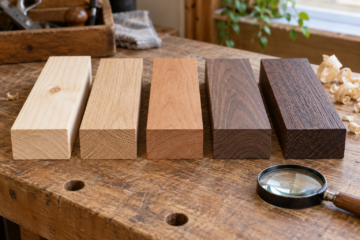
Good wood choices compared
| Wood | Why it works | Trade-off | Best fit |
|---|---|---|---|
| White oak | Durable heartwood; strong and widely available | Heavy and can be harder to work; confirm boards are heartwood | A substantial gate with a prominent grain |
| Western red cedar | Light, easy to cut, and naturally decay-resistant | Soft surface dents easily; color varies and can weather unevenly | A lighter gate where low weight matters |
| Teak | Very durable and stable outdoors | Expensive; natural oils can complicate coating adhesion | A premium gate when budget is less important |
| Mahogany | Often stable, with an even, attractive grain | Quality and durability vary by species and source | A refined appearance, provided the wood is verified |
| Pressure-treated pine | Low cost and protected against decay | Can warp while drying; treatment salts and moisture make clear finishing less predictable | A budget gate where appearance is secondary |
White oak and cedar are practical starting points. Oak is harder and heavier, while cedar is easier to handle but marks more readily. Teak is an excellent outdoor wood but often poor value for a large gate. “Mahogany” can refer to different woods, so check the actual species and source rather than relying on the label.
When cheaper wood is fine
Pressure-treated pine can be a sensible choice if the gate is inexpensive, painted, or expected to be replaced. For a transparent finish, it is less predictable: fresh treated lumber may be too wet for coating, and the treatment can leave a mottled surface. Let it dry to the finish maker’s specified moisture limit—often 15% or lower—and test the coating on an offcut. If you want to stain it, a lightly pigmented exterior stain usually hides unevenness better than a clear coating.
For naturally durable boards, compare the actual heartwood content and grade. A cheaper cedar board with large knots, splits, or abundant sapwood may be a worse buy than a clear, straight board in a less fashionable species.
Choose a finish for maintenance, not just appearance
For the most natural look, use an exterior penetrating oil or a clear exterior coating specifically labeled for outdoor wood. Oils are easier to renew: clean the surface and recoat when it looks dry or faded. They usually need attention about once a year on an exposed gate, though shade and local weather can stretch that interval. A satin sheen tends to show wear less than gloss.
Film-forming clear varnishes can give a richer, smoother surface, but peeling is the main failure mode. Once water gets through a crack or an unsealed edge, the film can lift; removing failed finish takes much more work than renewing an oil. Clear film coatings may need inspection every few months in full sun and more frequent recoating than a shaded entry gate. Follow the label for exterior exposure and recoat intervals rather than substituting indoor polyurethane.
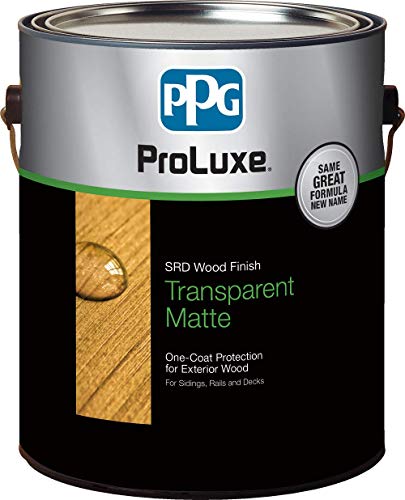
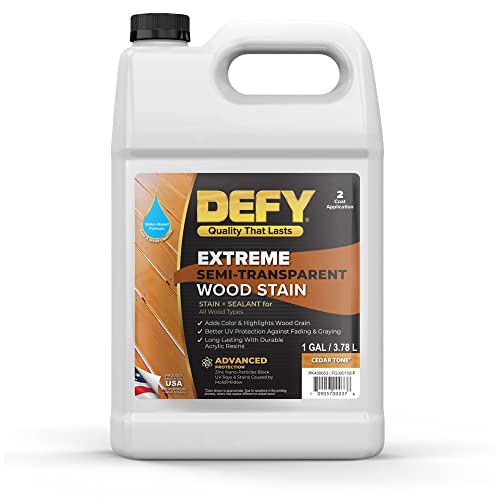
For a product category, compare exterior wood oils with exterior spar varnishes. If you can accept a little color, a lightly tinted exterior stain usually provides better UV protection than a truly clear product. Check that the label permits the intended wood and exterior use.
Prepare the gate before coating
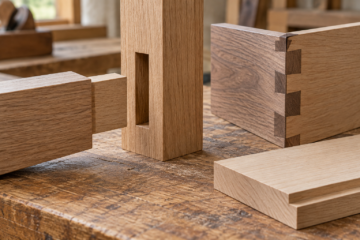
Use dry wood and assemble the gate with exterior-rated fasteners and joints designed to handle movement. Sand sound boards to about 120–150 grit; sanding much finer can reduce absorption for penetrating finishes. Remove dust, and test the finish on a scrap from the same boards because color and absorption vary. Do not coat damp wood or finish over dirt, mill glaze, or old peeling film.
Apply finish to all faces, including the top and bottom edges, before assembly if possible. Pay special attention to end grain, which absorbs water quickly; give it extra coats as the product instructions allow. Seal cut ends after trimming, and avoid leaving water-trapping horizontal ledges. Use stainless steel or suitable exterior fasteners—iron reacting with tannins in oak can leave black stains.
Plan for inspection and renewal
Mount the gate so it clears soil and standing water, and keep sprinklers from soaking it daily. Inspect the lower rails, end grain, joints, and sun-facing side at least twice a year. Renew a penetrating finish when the surface looks faded or stops shedding water; do not wait for deep checking or gray, degraded fibers. For a clear film finish, repair small breaks promptly. If it is peeling across broad areas, strip or sand back to a sound surface before recoating rather than painting over loose film.
For most homeowners, straight-grained white oak or cedar paired with a maintainable exterior oil is a balanced choice. Choose a clear varnish only if you are willing to monitor it and repair the film before water gets underneath. The right wood is the one whose weight, price, appearance, and upkeep match how exposed the gate will be.
0 Comments