What's inside
As an Amazon Associate I earn from qualifying purchases. This post may contain affiliate links at no extra cost to you.
A clear matte finish shows the wood rather than hiding it, so species choice matters. Grain, color, and blotching remain visible under a clear coat, while shelf strength and dent resistance matter once the shelves are loaded. For most painted-free cabinet interiors, maple is the safest all-around choice; birch is a lower-cost alternative, and white oak suits shelves where visible grain is part of the design.
As an Amazon Associate we earn from qualifying purchases at no extra cost to you.


Our Top Picks
 Varathane Water-Based Ultimate Matte PolyurethaneQuart (Pack of 1)9.8 x 5.5 x 6.3 inches2.2 poundsCheck on Amazon
What a clear matte finish shows
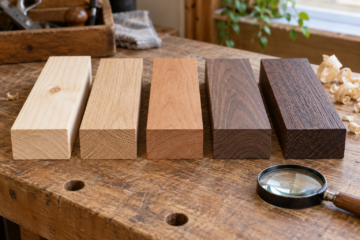
Matte describes sheen, not color. A clear finish can still warm pale wood, deepen darker areas, and make grain more pronounced. Water-based finishes usually change color less than oil-based ones, but neither is completely invisible. Test the full finishing schedule—sanding, any conditioner, and the finish—on an offcut from the same board before committing.
Matte finishes also do not disguise poor preparation. Scratches left by coarse sanding can show as pale lines, and glue residue may appear as dull patches because finish will not soak into it. Sand bare wood evenly, typically ending at 180 or 220 grit, then remove dust without leaving oily or waxy residue. Avoid polishing maple or birch to very fine grits before finishing; an overly smooth surface can reduce water-based finish adhesion.
Wood species compared
| Species | Appearance under clear matte finish | Practical strengths | Trade-offs |
|---|---|---|---|
| Hard maple | Pale, subtle grain; can warm slightly | Hard, durable surface; clean, quiet look | Can blotch, especially with stain; often costs more than birch |
| Birch | Light, fine grain, with possible color variation | Often economical; available as plywood and solid stock | Can blotch and vary between boards or veneer sheets |
| White oak | Pronounced grain; tan to light brown | Hard and stable; grain remains attractive when shelves are visible | More visual texture and usually more expense than basic birch |
| Poplar | Subdued grain, but may show green or gray tones | Affordable solid wood; easy to machine | Soft enough to dent more readily; color can look uneven under clear finish |
| Cherry | Smooth grain; naturally reddish and darkens with age | Good workability and a warm, refined appearance | Costs more; color changes with light, so new shelves may not match later |
Best choices for common cabinets
Choose hard maple for a pale, understated shelf that will take regular use. It is harder than birch or poplar and has restrained grain, making it a reliable fit for kitchens, linen cupboards, and built-ins. Its weak point is blotching: even without stain, boards can absorb finish unevenly, and maple end grain may look darker. A clear water-based topcoat helps preserve the light color. If a test piece looks patchy, switch boards or test a compatible washcoat rather than assuming another coat will even it out.
Choose birch when price and availability matter more than perfectly uniform color. Birch plywood is common for cabinet construction, and a clear matte coat keeps its light appearance. Veneer sheets can differ noticeably, so compare them before cutting a matched set of shelves. A small shelf in a closet or utility cabinet rarely needs premium maple; good birch plywood with careful edge treatment is often the sensible buy.
Choose white oak when you want the shelves to read as a visible part of the room. Its open grain remains prominent beneath a clear coat, giving a more textured look than maple. Use it when that contrast suits the cabinetry, not when the goal is a nearly blank, pale surface. For plywood shelves, inspect veneer quality and plan how exposed edges will be covered; an unfinished plywood edge will not look like solid oak.
Choose poplar for budget-friendly shelves in low-visibility locations, such as a painted cabinet or a lightly used cupboard. Under a clear coat, its greenish or grayish cast can be unwelcome, and dents are easier to make than in maple or oak. It is a reasonable choice if appearance and heavy wear are not priorities, but test the actual board before using it in a prominent cabinet.
Solid wood or plywood?
For wide or long shelves, plywood is often more practical than a solid board: it is less prone to seasonal movement and can stay flatter when properly supported. Cabinet-grade birch or oak plywood gives you a stable core with a real-wood face veneer. Solid maple or oak can make sense for shorter shelves, thick shelves, or exposed front edges, but allow for wood movement across the width. Do not glue a solid shelf rigidly along its full width to cabinet sides if that prevents movement.
Thickness and support matter as much as species. A 3/4-inch shelf can sag under a heavy load, particularly across a long span; shorten the span, add a front nosing, or use a thicker panel if the shelf will carry books or dishes. For a durable plywood surface, look for cabinet-grade birch plywood and check the face veneer for patches, sanding-through, and mismatched color before purchase.
Finish and preparation that prevent problems
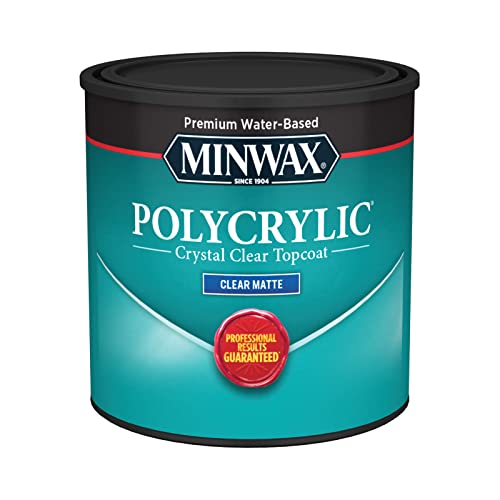
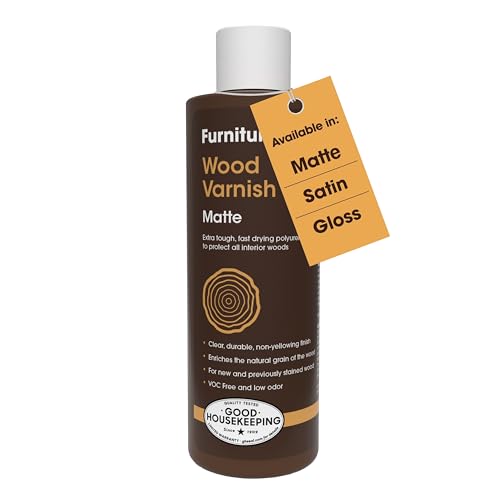
For a light, natural result, consider a water-based clear matte polyurethane or acrylic finish. Apply thin coats according to the label; many products call for sanding lightly between coats, often with 220- or 320-grit paper. Remove sanding dust carefully, and avoid sanding through a thin plywood face veneer. A water-based matte clear finish is a practical category to compare when minimal ambering is important. Follow its recoat and curing times: dry-to-touch is not the same as ready for stacked dishes or books.
Oil-based clear finishes tend to warm pale species and may emphasize grain, which can suit oak or cherry but shift maple and birch toward yellow. Matte products may contain flattening agents that settle in the can, so stir gently and consistently rather than shaking; bubbles and uneven sheen can result from poor application. Keep a wet edge, apply the same number of coats across each shelf, and check the surface in angled light. If the matte sheen looks cloudy or patchy, the cause may be uneven film thickness or poor mixing, not the wood species.
Finally, finish all faces and edges of a shelf as evenly as practical, especially in rooms with changing humidity. Coating only the visible top does not stop movement, and it can leave moisture exchange uneven. A sample board is still the best low-cost insurance: compare the exact species, sanding grit, and finish, then choose the combination whose color and grain look right in the cabinet’s actual light.

0 Comments