What's inside
As an Amazon Associate I earn from qualifying purchases. This post may contain affiliate links at no extra cost to you.
A durable matte cabinet finish starts with the wood, not the topcoat. Species differ in hardness, pore size, movement, color, and how evenly they absorb stain. Those differences show up as blotching, raised grain, visible seams, dents, and uneven sheen after the finish cures.
For most painted cabinets, maple, birch, and high-quality poplar are practical choices. For clear-coated cabinets, white oak is the easiest durable option, while maple gives a smoother, quieter appearance. Cherry and walnut look excellent under a matte clear finish but cost more and require attention to color change and surface preparation.
As an Amazon Associate we earn from qualifying purchases at no extra cost to you.

Our Top Picks
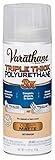
 Varathane Triple Thick Polyurethane Matte Wood Finish1 Quart (Pack of 1)3 x 1 x 2 inches1 PoundsCheck on Amazon
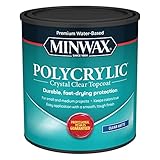
 Minwax 622224444 Polycrylic Protective Wood Finish32 fl oz4.4 x 4.4 x 5 inches2.2 poundsCheck on Amazon
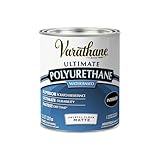
 Varathane Water-Based Ultimate Matte PolyurethaneQuart (Pack of 1)9.8 x 5.5 x 6.3 inches2.2 poundsCheck on Amazon
 Varathane Triple Thick Polyurethane Matte Wood Finish Spray0.35 Quart Spray (Pack of 1)8 x 3 x 3 inches0.4 PoundsCheck on Amazon
Best species at a glance
| Wood species | Best use | Advantages | Common problems |
|---|---|---|---|
| Hard maple | Painted or clear matte cabinets | Fine, closed grain; hard; clean appearance | Can look patchy under stain; difficult to distress evenly |
| White oak | Clear-coated or stained cabinets | Durable, attractive grain, stains consistently | Open pores remain visible; grain can telegraph through paint |
| Birch | Budget painted or stained work | Affordable, smooth, widely available | Blotches with many stains; softer than maple |
| Cherry | Clear matte finish | Machines well and develops rich color | Darkens significantly; can show uneven color in large panels |
| Poplar | Paint-grade doors and face frames | Inexpensive and easy to machine | Soft, greenish or gray streaks, dents under heavy use |
| Walnut | Premium clear-finished cabinets | Distinctive color and stable appearance | High cost; sapwood and color variation need sorting |
Best wood for painted matte cabinets
Hard maple is the strongest all-around choice for painted cabinet doors. Its fine grain does not require pore filling, and its hardness resists the dents that quickly become visible under a low-sheen coating. It also stays relatively smooth after sanding. The downside is cost and the possibility of chipped edges if it is machined or sanded carelessly.
Poplar is the cheaper choice when the cabinets will be fully painted. It sands easily and accepts primer well, but it is noticeably softer. A poplar door can pick up dents around pulls and lower-cabinet edges, especially in a busy kitchen. Its green, gray, or purple streaks do not matter under an opaque paint, so paying for clear-grade maple is unnecessary if the finish will hide the wood completely.
Birch is a reasonable middle ground, particularly for plywood cabinet boxes and painted slab doors. It is smoother and harder than poplar but less predictable under stain. Use a quality bonding or high-build primer and inspect the surface under raking light before painting. A matte finish reflects enough light to reveal sanding scratches and low spots even when gloss would disguise them.
For the best painted result, pair solid wood frames with stable veneer-core or high-quality hardwood plywood panels. Avoid making wide solid-wood panels unless they are designed to move. Seasonal expansion can split a joint or push against a frame. Cabinet doors should generally use floating panels or engineered panels rather than wide boards glued edge to edge.
Best wood for clear matte finishes
White oak is the easiest species to recommend for a clear matte cabinet finish. It is hard enough for daily use, has attractive grain at low sheen, and accepts oil, water-based, and hardwax-style finishes with relatively even color. Its open pores remain visible, which is a feature for many designs rather than a defect. If you want a flat, pore-free appearance, oak requires a grain filler before finishing.
Hard maple produces a cleaner and more contemporary look. Its closed grain leaves a smooth surface without pore filling, but its pale color can make small sanding defects obvious. Maple also tends to show glue spots. Squeeze-out that is invisible on raw wood can resist stain and create pale patches under a clear finish. Scrape or sand glue carefully, and wipe joints with a suitable solvent only after confirming it will not spread the contamination.
Cherry is excellent for traditional cabinets with a warm matte surface. It darkens with light exposure, sometimes substantially during the first year. A door kept near a window may change faster than an interior door, leaving uneven color. Test the complete finishing schedule on the same species and allow the sample to sit in normal light before committing.
Walnut is a premium option when the wood itself is the design. It has enough character that a low-sheen finish looks intentional rather than dull. Sort boards for sapwood and color before assembly. Walnut is also expensive enough that replacing a mismatched door is painful, so make finish samples from offcuts or matching stock.
Surface preparation that prevents failures
Sand solid wood and veneer progressively rather than jumping straight to a fine abrasive. A useful starting schedule is 120 grit, 150 grit, then 180 grit for most hardwoods. Stop at 180 or 220 grit unless the finish manufacturer specifies otherwise. Over-sanding can burnish the surface and reduce stain absorption; under-sanding leaves visible scratches beneath matte clear coats.
Break sharp outside edges lightly with 180 or 220 grit. A microscopic eased edge holds finish better than a razor edge, which is easily worn through. Do not heavily round door profiles or frame corners unless that appearance is intentional.
Remove dust with a vacuum and a clean, lint-free cloth. Avoid relying on a tack cloth containing wax or resin unless it is compatible with the finish. Contamination can cause fisheyes, craters, and adhesion failure. On painted cabinets, inspect after primer, sand lightly with 220 to 320 grit, and apply a second coat where the grain still shows.
Choosing the matte finish
For clear wood, a water-based polyurethane or acrylic-urethane is a practical cabinet finish because it dries quickly, resists household chemicals, and stays relatively clear. Oil-based products add warmth but amber over time and take longer to cure. A hardwax oil is easy to repair and pleasant to apply, but it usually offers less resistance to standing water and aggressive cleaners than a film finish.
For painted doors, use a cabinet-grade acrylic or waterborne alkyd coating rather than ordinary wall paint. Apply two finish coats at the manufacturer’s spread rate and allow the coating to cure fully before rehanging doors. “Dry” may mean ready for another coat; it does not mean resistant to fingerprints or blocking. Depending on the product, handle gently for several days and avoid hard use for roughly one to two weeks.
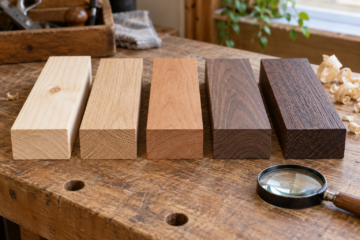
A matte sheen hides minor surface waviness better than gloss but does not make poor preparation disappear. Choose the species according to the intended look: maple or poplar for opaque paint, white oak for visible grain, and cherry or walnut when color and figure justify the additional cost.
0 Comments