What's inside
As an Amazon Associate I earn from qualifying purchases. This post may contain affiliate links at no extra cost to you.
A natural finish lets a record cabinet’s grain show, but it also makes species choice and surface preparation hard to hide. A cabinet has broad, visible panels, frequent hand contact and shelves that carry real weight. The best wood is not necessarily the hardest or most expensive: it should suit your budget, construction method and preferred color, and be stable enough to finish evenly.
As an Amazon Associate we earn from qualifying purchases at no extra cost to you.


Our Top Picks
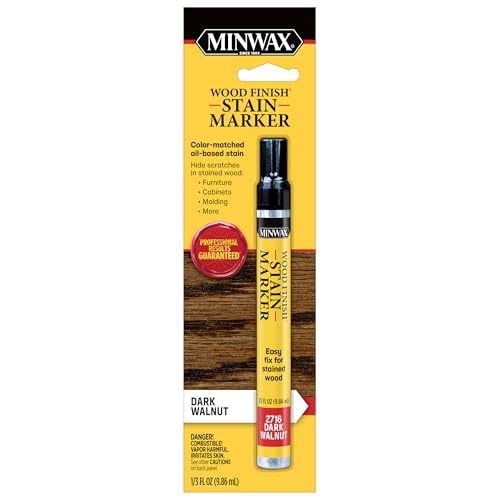 Minwax 63487000 Wood Finish Stain Marker for TouchPack of 1 (1/3 oz each)2.25 x 0.5 x 8.5 Inches0.02 poundsCheck on Amazon
 AMERLIFE 63" Solid Wood Buffet Cabinet with Hand63''15.7 x 63 x 32.3 inches124.5 poundsCheck on Amazon
 Polyurethane Wood Finish Water Based Polyurethane Clear Gloss100 ml1.6 x 1.6 x 4.7 inchesCheck on Amazon

Best all-around: oak
White oak is a strong choice for a cabinet that needs to feel substantial and wear well. Its open grain remains visible under clear finish, and its natural tan-to-brown color works with oil, hardwax oil or a clear water-based coating. White oak is relatively hard—about 1,360 lbf on the Janka scale—and generally holds screws well when holes are predrilled.
Red oak is often cheaper and easier to find, but its pinker cast and more porous grain are more apparent under a clear finish. Both species can show uneven color if you use stain without testing. Oak’s open pores are a look, not a defect; filling them is optional and adds work. For a first cabinet, clear-coated white oak veneer plywood for the large panels, paired with solid oak for edges and face frames, can keep costs in check without making the whole piece solid lumber.
Other good choices
Walnut has a naturally rich brown color and usually looks finished with little more than a clear protective coat. It is moderately hard, easy to work with, and usually costs more than oak, maple or birch. Walnut can lighten with prolonged exposure to sunlight, so avoid placing the cabinet in a sunny window if you want its color to stay darker.
Cherry starts pale reddish-brown and deepens with light and age. That change is part of its appeal, but it means a new cabinet may not match the color you expect a year later. Cherry is softer than oak and can blotch under stain. A clear finish is often the simpler route; if you do stain it, test scraps prepared and sanded exactly like the finished cabinet.
Maple is pale, close-grained and hard, which makes it a good option for a clean, light look. Its smooth surface can show scratches and finish defects clearly. Maple is also prone to blotchy stain, so use it clear or apply a compatible conditioner or washcoat after testing. Do not assume conditioner guarantees an even result.
Birch plywood is a practical budget choice for large panels. It is widely available and usually has a light, fairly uniform appearance, though veneer quality varies and the edges require banding or solid edging for a finished look. Check the face for patches, sanding-through and color variation before buying. A clear finish can leave birch looking pale and slightly yellow.
Quick comparison
| Species | Typical clear-finish look | Hardness (Janka) | Good fit | Main trade-off |
|---|---|---|---|---|
| White oak | Tan to brown, pronounced grain | About 1,360 lbf | Durable, traditional cabinets | Open pores and higher cost than many domestic options |
| Red oak | Warm, often pinker, pronounced grain | About 1,290 lbf | Lower-cost oak look | Color may not suit a neutral palette |
| Walnut | Rich brown, varied grain | About 1,010 lbf | Dark, furniture-like appearance | Higher material cost; light exposure changes color |
| Cherry | Warm reddish brown that deepens | About 950 lbf | Refined, warm finish | Ages visibly; stain can blotch |
| Hard maple | Light, subtle grain | About 1,450 lbf | Clean, pale appearance | Stain can look uneven; scratches show |
| Birch plywood | Light, modest grain | Varies by veneer and core | Economical wide panels | Face and edge quality vary |
Janka figures are approximate and describe resistance to indentation, not whether a finished cabinet will resist every dent or scratch. Construction, veneer thickness and finish matter too.
Choose the material for the build
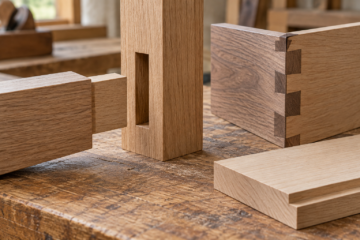
Solid wood moves as humidity changes. A 12-inch-wide solid panel can change noticeably across the grain between dry winter air and humid summer conditions. Use joinery that allows movement rather than fastening a wide panel rigidly across its width. Plywood is more dimensionally stable, which is why it is a sensible choice for cabinet sides, backs and shelves. A solid-wood face frame or edge banding can give plywood a traditional appearance.
For the cheapest sensible build, use decent birch plywood for the carcass and reserve solid wood for visible trim. For an all-solid cabinet, oak is a forgiving, durable choice; walnut is the premium option when its color is the point of the project. If buying lumber, inspect boards in person where possible. Reject pieces with twists, checks near the ends or large knots in highly visible areas.
Compare white oak plywood panels with local hardwood and cabinet-plywood prices before choosing. Online listings may not make veneer thickness or core construction clear, so confirm those details before ordering.
Prepare the surface and test the finish
Glue squeeze-out is a common cause of pale, stubborn patches. Remove it while it is rubbery or pare it away carefully after it cures; sanding dried glue can drive it into the grain. Sand flat surfaces evenly, usually progressing through 120, 150 and 180 grit. There is little benefit in taking most furniture woods much finer than 180 or 220 grit before a typical clear coat, and over-sanding can reduce finish absorption or make adjacent areas look different.
Before finishing the cabinet, use offcuts from the same board or sheet. Sand them through the same grits, then apply the actual finish according to its label. Check the color in the room where the cabinet will live. A clear oil or oil-based coating often warms pale woods, while many water-based finishes preserve a lighter appearance, though both can alter color. Use a clear water-based wood finish if keeping a pale tone matters, but test it: some products can raise grain or look different over end grain.
For a natural look, a clear finish is usually enough. A penetrating oil is easy to renew but may offer less protection from spills than a film-forming finish. Polyurethane is tougher against routine wear, though a heavy coat can look plasticky and is harder to repair invisibly. Follow the manufacturer’s drying times; applying another coat too soon can trap solvents or leave a soft surface. Sand lightly between coats only as directed, and remove dust before recoating.
Match the species to the job
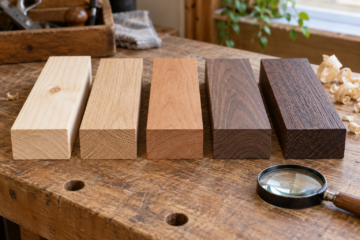
Choose white oak for durable visible grain, walnut for a naturally dark cabinet, cherry for a warm finish that will mature, and maple for a pale, restrained look. Choose birch plywood when budget and stable wide panels matter more than all-solid construction. Whatever you buy, spend time on clean joinery, even sanding and a test finish: those steps have more influence on the finished cabinet than chasing a premium species with poorly prepared surfaces.

0 Comments