What's inside
As an Amazon Associate I earn from qualifying purchases. This post may contain affiliate links at no extra cost to you.
Our Top Picks
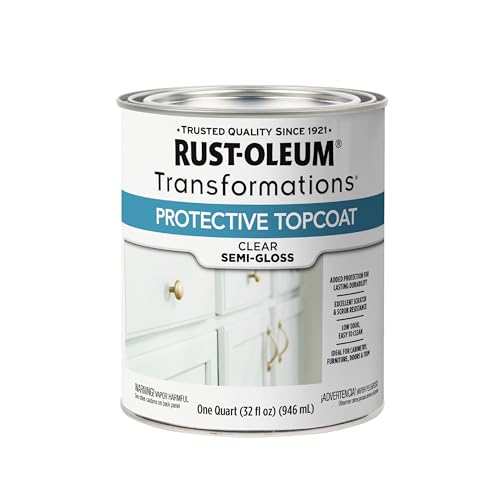 Rust-Oleum Transformations Semi-Gloss Protective TopcoatQuart (Pack of 1)4 x 4.25 x 5 inchesCheck on Amazon
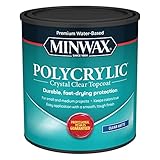
 Minwax 622224444 Polycrylic Protective Wood Finish32 fl oz4.4 x 4.4 x 5 inches2.2 poundsCheck on Amazon
 Varathane Triple Thick Polyurethane Semi-Gloss Wood Finish1 Quart (Pack of 1)4.25 x 4.25 x 5 inches0.93 poundsCheck on Amazon
 Varathane Water-Based Ultimate Satin PolyurethaneHalf Pint (Pack of 1)3 x 3 x 3 inches0.64 poundsCheck on Amazon

Choosing the Right Wood for a Clear-Finished Shelf
For a kitchen cabinet shelf with a clear finish, hard maple is the safest all-around choice. It is hard enough for dishes and cookware, has a fine, closed grain, and stays relatively neutral under clear waterborne polyurethane or lacquer. It also accepts glue reliably and can be sanded to a smooth surface without much trouble.
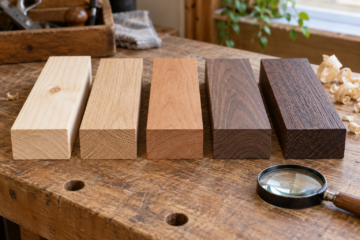
That does not make maple the only good option. Oak is less expensive and stronger-looking, walnut is attractive but costly, and birch plywood is often the best practical choice when the shelf is wide or needs to stay flat. The right material depends on the shelf span, visible edges, expected load, and the appearance you want after finishing.
As an Amazon Associate we earn from qualifying purchases at no extra cost to you.


| Material | Appearance under clear finish | Strength and stability | Best use |
|---|---|---|---|
| Hard maple | Light, subtle grain; stays fairly pale | Hard and stable | Most visible cabinet shelves |
| Red or white oak | Pronounced grain; amber tone | Strong, though it moves with humidity | Traditional or rustic kitchens |
| Birch plywood | Even face with visible edge plies | Very stable for its cost | Wide shelves and budget builds |
| Walnut | Dark brown, rich grain | Strong and workable | High-end accent shelves |
| Poplar | Plain, greenish or grayish streaks | Soft compared with maple or oak | Painted shelves, not usually clear finished |
Hard Maple: The Best Default
Hard maple is the best buy when you want a clean, furniture-like shelf without a strong grain pattern. It has a Janka hardness of roughly 1,450, so plates, cans, and small appliances are less likely to leave dents. Select boards with straight grain and few knots; clear, wide boards are worth paying for because defects remain obvious under a transparent finish.
Maple can look blotchy if you use an oil stain, especially a dark one. For a clear finish, skip the stain and apply a waterborne polyurethane, lacquer, or clear conversion-type finish. Waterborne products preserve the pale color better. Oil-based polyurethane is durable, but it adds a warm amber cast that becomes more noticeable over time.
For a solid maple shelf longer than about 30 inches, use at least 3/4-inch stock and consider a hardwood front edge. A 1-inch nosing, glued to the front, adds stiffness and makes the shelf look thicker. A thin shelf with a heavy stack of cookware can sag even when the wood itself is high quality.
When Birch Plywood Makes More Sense
High-quality birch plywood is often a better engineering choice than solid wood. Its alternating grain layers resist seasonal movement and help a wide shelf remain flat. A 3/4-inch panel with a hardwood edge is a common cabinetmaking solution, particularly for shelves 30 to 36 inches long.
Do not confuse cabinet-grade plywood with inexpensive construction plywood. Construction panels may have voids, rough faces, thin veneers, and exposed core gaps. Those defects can telegraph through a clear finish or make the edge impossible to finish neatly. Look for a smooth face veneer and a core without obvious voids.
The exposed plywood edge is the main compromise. You can leave the plies visible for a modern shop-built appearance, or glue on a 1/4- to 3/4-inch hardwood strip. Apply the edge before final sanding, then flush-trim it with a block plane, router, or careful sanding. Hardwood edge banding is useful when you want plywood stability without a thick solid-wood nosing.
Oak, Walnut, and Other Choices
Oak is a good cheaper option when you like visible grain. Red oak is usually less expensive than hard maple and is plenty durable for a shelf. White oak is more water resistant and has a slightly quieter, less pink appearance. Both take clear finish well, but open pores remain visible. If you want a glass-smooth surface, you must either accept the texture or fill the grain before finishing.
Walnut gives the most distinctive result, with dark color and attractive variation. It is stable and strong, but clear walnut boards can cost several times more than maple or oak. It also shows dust and scratches more readily than a pale wood. Use it when the shelf is a visible design feature, not because it performs dramatically better.
Poplar is inexpensive and easy to machine, but its soft surface dents easily and its green-gray or purple streaks often look unattractive under clear finish. It is a sensible choice for painted shelves. For transparent finishing, maple, oak, walnut, or birch plywood is usually worth the extra money.
Thickness, Span, and Support
Wood species cannot compensate for an undersized shelf. A 36-inch shelf loaded with dishes can sag even when made from hard maple. Keep unsupported spans near 24 to 30 inches when possible. Add a center divider, rear cleat, or front nosing when the cabinet is wider.
Three-quarter-inch solid wood is a practical minimum for ordinary cabinet shelves. For spans above 30 inches, use a 1-inch-thick board, a stiff front edge, or 3/4-inch plywood with a hardwood nosing. Avoid joining narrow boards with the grain running in different directions. Edge-glued panels should have boards with similar moisture content and grain direction.
Leave room for seasonal movement in solid wood. A shelf fitted tightly between cabinet sides can buckle as humidity rises. Allow roughly 1/16 inch of clearance across a typical cabinet width, and do not glue the shelf into a groove across its full width unless the design accounts for movement.
Sanding and Finishing the Shelf
Start with 120-grit sandpaper if the board is already smooth. Move to 150, then 180 grit; 220 grit is suitable before a waterborne finish, but sanding much finer can reduce adhesion. Sand with the grain and ease the exposed corners with two or three light passes. Sharp corners chip easily and hold finish unevenly.
Remove dust with a vacuum and a clean, slightly damp microfiber cloth. Avoid soaking the wood. On maple and other tight-grained species, raise the grain with a damp cloth, let it dry, and sand lightly with 220 grit before the first coat. This prevents the finish from leaving a rough feel later.
For most kitchen shelves, use a durable water-based polyurethane or a cabinet-grade lacquer. Apply three thin coats rather than one heavy coat, sanding lightly between coats when the label requires it. Thin coats reduce runs, cloudy spots, and soft areas that remain tacky.
Seal every surface, including the underside and end grain. Finishing only the top lets moisture enter unevenly and can cause cupping. End grain absorbs finish quickly, so apply an extra coat there. Let the final coat cure according to its label before loading the shelf; “dry to the touch” does not mean fully hardened.
A Practical Buying Recommendation
Buy clear, straight-grained 3/4-inch hard maple for a shelf up to about 30 inches wide when appearance matters most. Choose 3/4-inch birch plywood with a maple or oak front edge for a wider shelf or a tighter budget. Choose oak if you want strong grain and lower cost, and walnut only when its color is central to the design.
Also buy a shelf support system rated for the load. Small plastic pins are acceptable for light dishes, but metal pins, cleats, or a center support are safer for cookware. Heavy-duty cabinet shelf pins cost little compared with replacing a sagging or split shelf.
0 Comments