What's inside
As an Amazon Associate I earn from qualifying purchases. This post may contain affiliate links at no extra cost to you.
The smoothest polyurethane finish starts with a wood surface that is even, clean and suited to the look you want. Species matters: open pores can remain visible under a clear coat, while pale or strongly figured woods can change color noticeably when the finish goes on. Polyurethane does not hide scratches, glue marks or uneven sanding. It can make them easier to see.
For a calm, nearly glass-smooth surface, choose a fine-grained wood such as maple or birch. For a natural finish that shows texture, oak and ash are good choices, but their pores will remain apparent unless you fill them first. The right choice depends on whether “smooth” means smooth to the touch or visually pore-free.
As an Amazon Associate we earn from qualifying purchases at no extra cost to you.


Our Top Picks
 Minwax Fast Drying Polyurethane Protective Wood FinishQuart4.1 x 4.1 x 5.1 inches1 PoundsCheck on Amazon
 Minwax Fast Drying Polyurethane Spray11.5 oz (Pack of 1)8.13 x 2.69 x 2.69 Inches0.91 poundsCheck on Amazon
 Aqua Coat Water-Based Clear Wood Grain Filler GelPint3.55 x 3.55 x 4.2 inches1.14 PoundsCheck on Amazon
 SKIL 5” Random Orbital Sander with Cyclonic Dust5 inches7.87 x 4.8 x 5.51 inches3.44 PoundsCheck on Amazon
What “smooth” means under polyurethane
A cured film can feel smooth while still showing open grain. Oak, ash and mahogany have larger pores than maple, cherry or birch. Polyurethane bridges some surface texture, but a few coats will not reliably level deep pores. If you want a flat, piano-like surface on open-grained wood, use a compatible grain filler before the sealer or finish.
Oil-based polyurethane usually warms wood and adds an amber cast, which can be attractive on oak and walnut but may yellow pale maple. Water-based polyurethane tends to preserve a lighter color, though it can raise grain on the first coat. Neither type hides sanding scratches. Sand evenly, vacuum thoroughly and remove residue with a clean cloth appropriate for the finish; avoid oily tack cloths unless the product maker approves them.
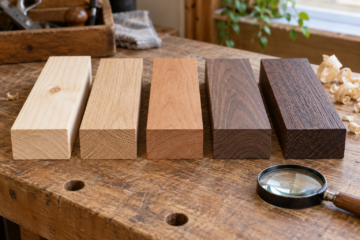
Wood species compared
| Species | Grain and surface | Clear-coat appearance | Best fit |
|---|---|---|---|
| Hard maple | Fine, tight grain; naturally smooth | Stays relatively pale with water-based poly; oil-based turns it warmer | Clean, even surfaces and light-colored furniture |
| Birch | Fine grain, sometimes with uneven figure | Light; can show blotchy color if stained | Clear finishes and budget projects |
| Cherry | Fine grain, often with subtle figure | Deepens and reddens with age; oil-based poly adds warmth | Furniture where a richer tone is welcome |
| Red or white oak | Prominent open pores and strong grain | Texture remains visible unless grain-filled | Traditional furniture, floors and projects that suit bold grain |
| Walnut | Usually moderate, attractive grain | Darkens slightly and gains depth under clear finish | Feature pieces where the wood itself is the visual focus |
| Ash | Open, pronounced grain | Similar visible pore texture to oak | Projects where a strong grain pattern is desired |
Best choices for a smooth natural look
Maple is the strongest pick when you want a pale, uniform surface. Its fine grain takes film finish cleanly, but sanding marks show easily on the light color. Work through the grits without skipping one—typically 120, 150 and 180 for solid wood, following the finish manufacturer’s guidance. Sanding much finer can reduce adhesion or make the surface take finish unevenly, depending on the product.
Birch is often less expensive than maple and can look excellent under clear polyurethane. It is a sensible choice for shelves, cabinets and utility furniture where a consistent, light appearance matters more than premium figure. If you plan to stain it, test on an offcut: birch can absorb stain unevenly. A clear coat avoids that problem, but does not make mixed grain or color disappear.
Cherry has a fine surface and needs no pore filler for most furniture work. Its color naturally deepens with light exposure, so a new piece may not match an older one for long. Choose water-based poly if you want to slow the initial amber shift from the finish, but expect the wood itself to change over time.
Walnut is a good choice when a smooth surface and visible natural character matter more than a pale color. Its pores are smaller than oak’s but may still show under a thin finish. A few build coats can improve the feel; they will not make every board look identical. For open-grained species, a wood grain filler is useful if you want to reduce pore texture.
Prep and application that prevent defects
Start with sound, dry wood. Remove dents and glue squeeze-out before sanding; glue spots often appear as pale patches after finishing. On bare wood, sand with the grain and inspect under raking light. A scratch that looks harmless in shop lighting can become obvious once polyurethane darkens the surface.
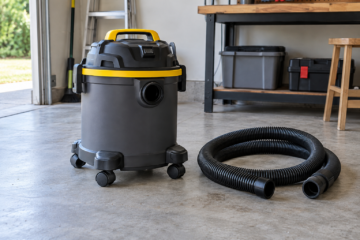
Use a quality 5-inch random-orbit sander for broad flat areas, but finish the last pass by hand with the grain, especially on visible panels. Vacuum dust from the surface and nearby ledges. Dust settling into wet finish creates bumps; sanding those bumps too aggressively can cut through the film.
Apply thin coats rather than one heavy coat. Follow the can’s spread rate and recoat time; temperature, humidity and airflow affect drying. Many water-based finishes can be recoated in a few hours, while oil-based products commonly need longer—often overnight. Do not sand or recoat by the clock alone if the film still feels soft or gums up the abrasive.
After the first coat, water-based poly may leave raised fibers. Let it dry fully, then lightly scuff with 220-grit paper or a fine abrasive pad, using minimal pressure. Between later coats, scuff only enough to dull the sheen and provide a key. Avoid cutting through edges and corners, where the film is thinnest.
Choose the finish for the wood
For maple or birch that should stay light, consider water-based polyurethane. For cherry, oak or walnut where warmth is welcome, oil-based polyurethane is often a straightforward choice. A cheaper finish can be perfectly adequate on low-wear shelves or decorative pieces; floors, tabletops and frequently handled surfaces benefit more from a finish rated for that use and careful application.
Whatever the species, test the full schedule—sanding, stain if any, and polyurethane—on an offcut from the same board. Check color, pore visibility and sheen after the finish cures. That small test is the most reliable way to avoid a polished surface that looks unlike the wood you meant to buy.
0 Comments