What's inside
As an Amazon Associate I earn from qualifying purchases. This post may contain affiliate links at no extra cost to you.
For a coffee table with a clear, natural-looking finish, the wood itself does most of the visual work. Grain, color, hardness and the way a species reacts to finish all affect the result. The best choice depends on whether you want a pale, quiet surface, pronounced grain or a darker tone—and how much wear the table will take.
As an Amazon Associate we earn from qualifying purchases at no extra cost to you.



Our Top Picks
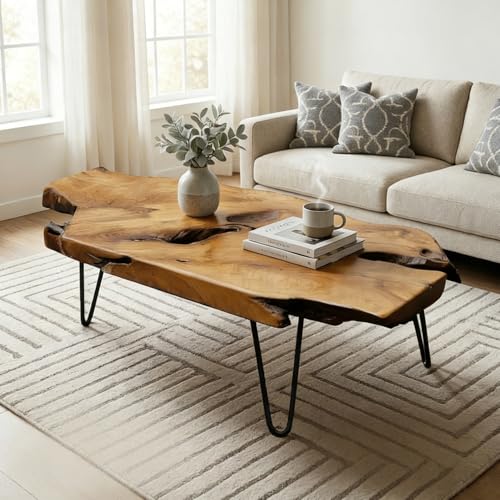 Nalvyue Unique Live Edge Coffee Table Natural WoodLarge37 x 15 x 15 inches35.9 PoundsCheck on Amazon
 39.3'' Wood End Coffee Table with Wood Grain39.3 * 21.7 inch21.7 x 39.37 x 11.81 inches47.84 PoundsCheck on Amazon
 KEIKI 43" Burl Wood Veneer Rectangle MDF Coffee43"(Rectangle)43.31 x 25.59 x 13.78 inches68.57 poundsCheck on Amazon
 Polyurethane Wood Finish Water Based Polyurethane Clear Gloss100 ml1.6 x 1.6 x 4.7 inchesCheck on Amazon

How the main choices compare
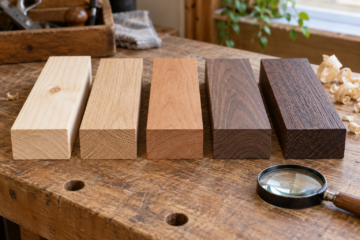
| Species | Typical color and grain | Janka hardness | Good fit for |
|---|---|---|---|
| White oak | Light tan to medium brown; strong, open grain | 1,360 lbf | Durable tables with visible grain |
| Hard maple | Cream to pale blond; subtle, fine grain | 1,450 lbf | A light, restrained look |
| Black walnut | Chocolate brown to purplish brown; flowing grain | 1,010 lbf | A naturally dark, distinctive surface |
| Cherry | Pinkish tan when fresh; deepens with light exposure | 950 lbf | Warm color and a smoother, quieter grain |
| Red oak | Pinkish tan to reddish brown; bold, open grain | 1,290 lbf | A lower-cost alternative to white oak |
Janka ratings measure resistance to indentation, not resistance to scratches, dents or water rings. Coffee tables take knocks and spills, so finish quality and prompt cleanup matter as much as the number.
White oak: the balanced choice
White oak is a strong all-rounder for a natural finish. Its pronounced grain remains visible under clear coatings, and it generally has a light-to-medium brown color that suits both modern and traditional furniture. Its closed tyloses make it less permeable than red oak, though no wood table should be treated as waterproof.
Choose white oak if you want a substantial-looking top that can handle regular use without relying on stain to create character. Its open grain can feel textured under a thin film finish. If you want a glass-smooth surface, use a grain filler or apply enough finish to build and level the surface; both add work.
Hard maple: pale and understated
Hard maple is hard-wearing and naturally pale, with a fine, less dramatic grain than oak. It works well when you want a light table that does not compete with the rest of a room. Its hardness is useful for resisting dents, but it does not make the wood immune to scratches or impact damage.
Maple can be tricky to color evenly with stain: blotchy patches are common, particularly on broad surfaces. For a clean natural finish, avoid stain and test a clear coat on an offcut. Some finishes add a noticeable amber cast, which can make pale maple look yellower than expected.
Black walnut: rich color without stain
Walnut is the straightforward choice when you want a dark table but still want the wood to show through. Its natural color and varied grain provide contrast without a dark stain. It is softer than maple or oak, so it may dent more readily, but that can be a fair trade for its appearance and easier workability.
Walnut can fade or lighten with prolonged exposure to sunlight. A clear finish will not prevent all color change. If matching boards matters, inspect the actual lumber: sapwood can be pale and stand out beside the darker heartwood.
Cherry: warm color that changes over time
Cherry starts relatively light and often darkens to a warmer reddish brown as it is exposed to light. That change is part of its appeal, but it means a sample made today may not exactly match the table after months of use. Its fine grain takes a smooth finish, and it is a good choice for a warm, understated look.
Cherry is softer than maple and white oak, so use coasters and expect some marks with hard use. Avoid placing a newly finished cherry top partly in direct sun: uneven exposure can produce uneven color changes.
Red oak: a practical budget option
Red oak is often easier to find and less expensive than white oak, and it has a similar bold, open grain. For a budget-conscious project, it is a reasonable choice if you like its pinker cast. A clear finish usually makes that warmth more noticeable, so check an offcut before committing.
Red oak’s open pores can show water more readily than white oak. A durable topcoat and quick spill cleanup help, but neither makes it safe to leave wet glasses or damp cloths on the table.
Choose the boards, not just the species
Boards within one species can vary in color, grain and figure. For a tabletop, lay the boards side by side before gluing and rotate them to see how the grain and color flow. Avoid pieces with loose knots, deep checks or defects near an edge that will need to hold a joint. If you want a uniform natural look, buy enough stock to reject boards that do not match.
Solid wood moves as humidity changes. Leave lumber acclimated in the room where the table will live, and attach the top with fasteners or joinery that allow seasonal movement across its width. Rigidly fastening a wide top can lead to cracks or a twisted base.
Prep and finish for a clear surface
Sand evenly, usually through 120, 150 and 180 grit. Going much finer can reduce adhesion for some finishes or make the surface look uneven; follow the finish maker’s instructions. Remove glue squeeze-out completely, since dried glue can repel finish and leave pale spots. Check the tabletop under angled light before coating, then test the full sanding and finishing schedule on scrap from the same boards.
For a durable clear topcoat, compare water-based polyurethane with oil-based polyurethane. Water-based finishes usually keep pale woods lighter; oil-based finishes add warmth and can deepen the color. Follow the label for coat count and recoat time, and sand between coats only as directed. A finish can feel dry before it has fully cured, so avoid heavy use until the stated cure time has passed.
Do not pick a species based on hardness alone. White oak is a balanced, durable default; maple suits a lighter and quieter look; walnut and cherry offer distinctive natural color; red oak can save money if its warmer tone works for you. Samples finished with the intended topcoat are the most reliable way to make the final call.

0 Comments