What's inside
As an Amazon Associate I earn from qualifying purchases. This post may contain affiliate links at no extra cost to you.
Choosing a pale wood is only half the job if you want a clean, almost-white result. Many clear finishes add a warm amber cast, and some woods darken noticeably as they age. The best combination is a naturally light species with a finish that dries clear and resists yellowing.
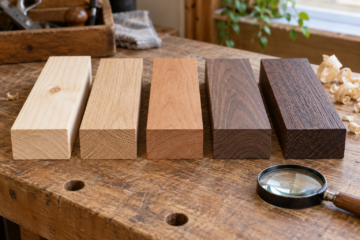
For most indoor projects, hard maple, white ash, birch, beech, and holly are the strongest choices. Hard maple is usually the safest all-around option: it is pale, tightly grained, widely available, and takes a water-based clear coat evenly. Holly is even whiter, but it is expensive, less common in wide boards, and more prone to movement. Ash has attractive open grain but looks more distinctly wood-colored rather than white.
As an Amazon Associate we earn from qualifying purchases at no extra cost to you.



Our Top Picks
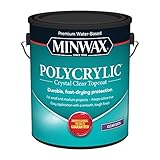
 1 gal Minwax 13333 Clear Polycrylic Water-Based Protective128 fl oz6.88 x 4.25 x 7.88 inches2.2 poundsCheck on Amazon
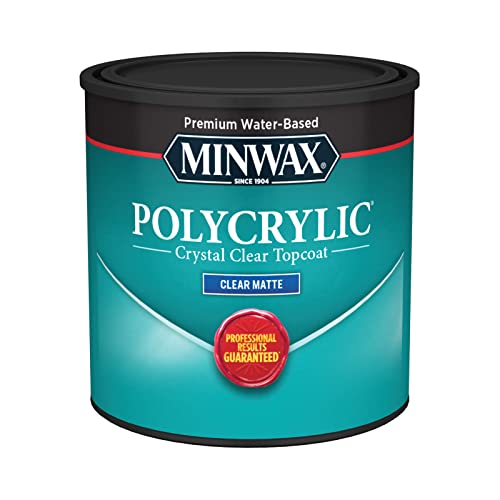
 Minwax 1 qt Minwax 65555 Clear Polycrylic Water-Based32 fl oz4.3 x 4.9 x 4.9 inches2.25 poundsCheck on Amazon
 Polyurethane Wood Finish Water Based Polyurethane Clear Gloss100 ml1.6 x 1.6 x 4.7 inchesCheck on Amazon
 Minwax 233334444 Polycrylic Protective Wood Finish8 fl oz2.9 x 2.9 x 3 inches0.66 poundsCheck on Amazon
Best pale wood species for a clear finish
| Wood species | Natural appearance | Finish behavior | Best use |
|---|---|---|---|
| Hard maple | Creamy white to pale tan, fine grain | Stays light under water-based finishes; can blotch with stain | Cabinet parts, shelves, furniture, worktops |
| Holly | Very white, fine and nearly uniform grain | Clean appearance, but can yellow with oil-based products | Small furniture parts, inlays, decorative work |
| Birch | Pale cream with subtle grain | Can darken unevenly with penetrating stains; clear coats work well | Plywood, boxes, cabinets, painted or clear projects |
| Beech | Light tan with fine, straight grain | Usually even under clear finish; naturally warms slightly | Furniture, turnings, interior parts |
| White ash | Light tan with bold open grain | Remains fairly light, though grain contrast becomes stronger | Tables, cabinets, flooring, handles |
| Poplar | White, gray, or greenish streaks | Clear finish may emphasize unattractive color variation | Paint-grade work and hidden parts |
How to choose the wood
Use hard maple when you want the most predictable pale surface. Select boards with a consistent color, because maple can contain gray, brown, or mineral streaks that no clear finish will hide. For a brighter, more uniform appearance, holly is excellent, but it is better suited to smaller pieces than large panels.
Birch is a practical lower-cost option, especially when buying plywood. A clear coat can make good birch look crisp and light. However, birch often contains patches of darker heartwood, and its surface can look uneven if you apply a stain. If the goal is simply to preserve the natural color, skip the stain.
Poplar is inexpensive, but it is not my first choice for a clear-finished show surface. Its green, gray, and purple streaks can become more obvious under finish. It is a good choice when the part will be painted or when price matters more than uniform appearance.
White oak is pale enough for many projects, but it is not a non-yellowing choice. Its strong grain and natural tannins pair well with warm finishes, not with a cold white look. Use it when you want visible texture rather than a nearly unchanged pale surface.
Clear finishes that stay light
A water-based polyurethane or water-based acrylic-urethane is usually the best category for pale wood. These products normally dry clear or with only a slight cool cast, and they add far less amber color than oil-based polyurethane. They also dry quickly, allowing several thin coats in one day. For furniture and interior trim, compare products in the water-based clear polyurethane category.
Water-based finishes are not identical. Some contain a small amount of oil-modified resin and will warm the wood more than a pure waterborne acrylic. Always test the actual product on an offcut. “Clear” on the label does not mean “invisible.” Gloss level also changes the appearance: satin scatters light and can make pale wood look slightly grayer, while gloss looks brighter but shows scratches and surface defects.
Water-based lacquer is another good option when you need a very clear, fast-drying film. It sprays especially well and can produce a smooth finish with minimal color change. It is less forgiving when brushed, and many lacquer products require strong ventilation and appropriate respiratory protection. For a small brush-applied project, water-based polyurethane is generally easier.
Traditional shellac, oil-based varnish, tung oil, linseed oil, and most hardwax oils warm pale wood. A dewaxed blonde shellac is lighter than orange shellac, but it still adds warmth. Hardwax oil is convenient and pleasant to repair, yet it usually makes maple or birch look deeper and more golden. Choose those finishes only if a warmer natural tone is acceptable. If you specifically want an oil-free appearance, look at water-based acrylic clear finish products.
Surface preparation matters more than the label
Sand solid wood progressively to about 180 grit, then finish at 220 grit if the surface will be touched frequently. Going much finer can reduce absorption and make some finishes look uneven, although it is not usually harmful with a film finish. Sand plywood veneer carefully: one or two extra passes can cut through a veneer that is only about 1/40 inch thick.
Remove dust with a vacuum and a clean, slightly damp microfiber cloth. Avoid soaking the surface. Water-based finishes raise the grain, particularly on birch and maple. For the smoothest result, wipe the raw wood lightly with distilled water, let it dry fully, then sand the raised fibers with 220 grit before applying finish.
Do not use a generic “pre-stain conditioner” unless you are applying a penetrating stain. It is unnecessary under a clear film finish and can interfere with adhesion. If you are trying to even out a blotchy wood such as birch, a thin water-based sanding sealer can help, but it may slightly reduce the natural contrast. The cheaper option—simply using clear finish on carefully selected boards—is fine for most small projects.
Application and testing
Apply three thin coats rather than one heavy coat. Lightly sand between coats with 320 grit after the finish has dried according to its label. A typical water-based finish needs roughly 2 to 4 hours before recoating, but cool, damp conditions can extend that time. Do not judge the final color until the finish has cured for several days.
Brush marks, milky patches, and cloudy areas usually come from applying too thick a coat, working in high humidity, or overworking partially dried finish. Keep the shop around 65 to 75°F when possible, and avoid shaking the can because bubbles can remain in the film. Stir slowly instead.
Make a test panel from the same species, sanded to the same grit, and apply the complete schedule. Test at least two products if color is critical. Also check the finish after exposure to daylight for a week; a product that looks clear indoors may develop a slight amber tone over time. For the most neutral result on pale wood, hard maple or birch paired with a thin, water-based clear finish is usually the practical choice.
0 Comments