What's inside
As an Amazon Associate I earn from qualifying purchases. This post may contain affiliate links at no extra cost to you.
Clear-finished cabinet door panels show more of the wood than almost any other cabinet part. That makes species selection, color matching, grain direction, and surface preparation more important than they are under paint. The best choice depends on the look you want, the door construction, and how much movement the panel must tolerate.
As an Amazon Associate we earn from qualifying purchases at no extra cost to you.



Our Top Picks
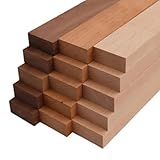
 Barrington Hardwoods Domestic Variety Pack 5 Walnut3/4" x 2" x 12"12 x 2 x 0.75 inchesCheck on Amazon
 Aqua Coat Water-Based Clear Wood Grain Filler GelPint3.55 x 3.55 x 4.2 inches1.14 PoundsCheck on Amazon
 Varathane Water-Based Ultimate Satin PolyurethaneHalf Pint (Pack of 1)3 x 3 x 3 inches0.64 poundsCheck on Amazon


Best overall choices for clear-finished panels
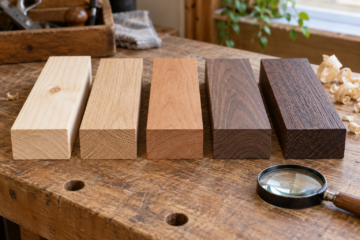
For a reliable combination of appearance, workability, and price, quarter-sawn white oak, cherry, maple, and walnut are the main options. Rift-sawn white oak is especially popular for modern cabinets because it produces long, straight grain with less cathedral pattern. Cherry gives a warmer, smoother appearance and darkens noticeably with age. Hard maple is pale and durable, but its tight grain can look plain unless the panel has attractive figure. Walnut is easy to recognize and relatively stable, though it costs more and often has lighter sapwood mixed through the board.
| Species | Appearance under clear finish | Stability and workability | Best use |
|---|---|---|---|
| White oak | Bold grain; strong ray fleck when quarter-sawn | Stable enough for most work; machines well | Traditional, mission, and modern doors |
| Rift-sawn white oak | Straight, restrained grain | Stable, but more expensive and wasteful | Contemporary slab or frame-and-panel doors |
| Cherry | Warm reddish-brown; darkens with light | Machines easily; moderate movement | Furniture-style kitchens |
| Hard maple | Very light, fine, even grain | Hard and durable; can burn when routed | Clean light-colored interiors |
| Walnut | Dark brown with flowing grain | Machines well; generally stable | High-contrast or upscale designs |
| Poplar | Plain grain; green or gray streaks possible | Easy to work; relatively soft | Budget clear finishes when appearance is acceptable |
Solid wood or plywood?
Solid wood is the natural choice when you want a traditional raised panel or a visible edge profile. It also lets you match the panel to solid-wood rails and stiles. The problem is movement: a 12-inch-wide solid panel can change dimension by roughly 1/8 inch or more across the seasons, depending on species, moisture conditions, and grain orientation.
A solid panel must be allowed to float in the door frame. Do not glue its edges into the grooves. Leave clearance in the groove, and finish all panel faces and edges before assembly. The exact clearance depends on the panel width and your shop humidity, but a common approach is to allow about 1/8 inch of total movement for a medium-width panel. Never rely on a rigid glue joint to restrain it; the panel or frame will eventually crack.
For flat-panel doors, veneer-core or high-quality hardwood plywood is often the safer material. It stays flatter than a wide solid panel and is less likely to split at the corners. Choose plywood with a matching face veneer and a core free of voids. A cheap construction panel can telegraph defects through a clear finish, and thin face veneer can sand through quickly.
Use cabinet-grade hardwood plywood when stability matters more than a solid-wood edge or raised profile. For a slab door, plywood is usually the practical choice. The cheaper option is fine inside a painted project, but clear finishing exposes patching, core lines, and uneven veneer.
Species-specific trade-offs
White oak is forgiving for first-time clear finishing. Its open pores accept oil finishes readily, and small color differences are less obvious because the grain is strong. However, oak’s open texture remains visible. If you want a perfectly smooth, piano-like surface, you must fill the pores with a suitable grain filler before topcoating.
Cherry is easier to make smooth because its pores are smaller. It can look pink or pale when freshly sanded, then become noticeably darker and redder after exposure to light. Keep boards from different batches together when possible, and do not judge the final color from an unfinished sample. Cherry can also blotch slightly with some penetrating stains, although clear finish alone usually gives the most natural result.
Maple has a clean appearance but is less forgiving of sanding and finishing mistakes. Uneven sanding can show as dull or dark patches. Burn marks from router bits are also conspicuous. Use sharp cutters, moderate feed pressure, and inspect the panel under raking light before finishing.
Walnut generally looks good with clear finish and needs little or no stain. Its pale sapwood may be attractive, but boards can vary from chocolate brown to gray-brown. If uniform color matters, buy matched stock or use a controlled dye or stain schedule after testing on offcuts.
Preparing panels for a clear finish
Mill the panel flat, then sand through the grits without skipping. For most hardwoods, 120 grit followed by 150 and 180 grit is enough before a film finish. Stop at 180 or 220 grit unless the finish manufacturer specifically calls for finer sanding. Over-sanding can burnish the surface and reduce absorption, especially with oils and water-based stains.
Break sharp edges lightly with 180- or 220-grit paper. A razor edge holds little finish and chips easily. Do not round over the decorative profile unless that is intentional. Vacuum thoroughly, then wipe with a clean, dry cloth. Avoid saturating unfinished wood with water; raised grain can create extra sanding work.
Make a sample using the actual species, sanding schedule, stain if any, and at least two coats of the intended finish. A wood grain filler is useful on oak, walnut, and other open-pored woods when you want a flatter surface. Test whether the filler changes the color before applying it to the doors.
Choosing the clear finish
Water-based polyurethane preserves light wood color better and dries quickly, but it can raise grain slightly and may look cool or cloudy over some species. Oil-based polyurethane adds amber color, which often suits cherry and walnut but can make maple and oak darker than expected. Wiping varnish is easy to apply on profiles, though it builds protection slowly.
For high-use kitchen doors, apply at least three properly dried coats of a durable cabinet-rated finish, sanding lightly between coats only as directed. Pay special attention to end grain and routed profiles, where the first coat can soak in unevenly. Avoid handling or installing doors before the finish has cured; “dry to touch” may occur in hours, while useful hardness can take several days or longer.
If the budget is tight, clear-finished poplar can work for a rustic or low-cost project, but its green and gray coloration is unpredictable. It is usually a better choice under paint. For visible clear panels, spend the extra money on better boards rather than trying to hide defects with darker stain.
Buying and matching stock
Buy extra material—about 15 to 25 percent for ordinary panels, and more for highly figured or rift-sawn stock. Lay boards side by side before cutting and arrange the grain deliberately. Keep the most attractive faces on the visible side, and mark the orientation of every panel. A clear finish cannot correct mismatched color, tear-out, glue squeeze-out, or sanding scratches.
Use water-based polyurethane when you want to retain a pale, natural color, or choose an oil-based finish when added warmth is part of the design. The right wood is the one that matches both the appearance and the construction method: stable plywood for flat slabs, properly floating solid wood for traditional panels, and carefully matched boards whenever the finish leaves the grain exposed.

0 Comments