What's inside
As an Amazon Associate I earn from qualifying purchases. This post may contain affiliate links at no extra cost to you.
Wood species affects how well a water-based topcoat looks and holds up, but it is only one part of the finish system. Surface preparation, moisture content, edge treatment, and the number of coats often matter just as much. A tough water-based polyurethane can perform well on many woods, provided the surface is clean, properly sanded, and given enough film thickness.
For most furniture, cabinets, shelves, and interior trim, maple, white oak, cherry, and walnut are dependable choices. Pine and other softwoods can also work, but they need more care because they dent easily and often absorb finish unevenly.
As an Amazon Associate we earn from qualifying purchases at no extra cost to you.


Our Top Picks
 Varathane Water-Based Ultimate Satin PolyurethaneHalf Pint (Pack of 1)3 x 3 x 3 inches0.64 poundsCheck on Amazon
 Minwax 1 qt Minwax 65555 Clear Polycrylic Water-Based32 fl oz4.3 x 4.9 x 4.9 inches2.25 poundsCheck on Amazon
 Minwax 33333000 Polycrylic Protective Finish Spray for Wood11.5 fl oz2.69 x 2.69 x 8.13 inches1 poundsCheck on Amazon

Best overall wood species
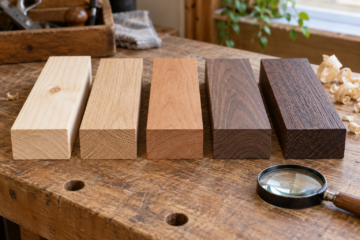
| Wood species | Hardness and durability | Water-based topcoat behavior | Best uses |
|---|---|---|---|
| Hard maple | Very hard; resists dents well | Even, pale surface; can look slightly cool under clear finish | Tables, desks, cabinets, work surfaces |
| White oak | Hard and dimensionally stable | Excellent adhesion after sanding; grain remains prominent | Furniture, flooring, countertops, trim |
| Cherry | Moderately hard; machines cleanly | Finishes smoothly and develops a deeper color over time | Furniture and interior cabinetry |
| Walnut | Moderately hard; adequate for normal furniture use | Usually accepts clear water-based finish evenly | Tables, cabinets, decorative furniture |
| Pine | Soft; dents and scratches readily | Can show blotching, raised grain, and uneven sheen | Budget furniture, shelving, painted projects |
| Teak or oily tropical hardwoods | Hard and naturally weather resistant | Natural oils can interfere with adhesion | Outdoor or specialty work after careful preparation |
Hard maple and white oak: the safest choices
Hard maple is one of the best woods for a clear water-based topcoat when dent resistance is important. Its closed grain produces a relatively smooth surface, and its pale color does not change dramatically under a clear finish. It is a good choice for desks, dining tables, and cabinet doors. The drawback is that maple can look slightly gray or blue under some water-based products. Test the finish on an offcut before committing to a large project.
White oak is similarly durable but has a more visible grain. It accepts water-based polyurethane reliably after sanding and is less likely than many woods to look blotchy. The open grain is not a defect; it is part of the appearance. If you want a glass-smooth oak surface, plan on filling the grain before finishing. Without filler, several coats of finish will protect the wood but will not completely level the pores.
For high-use furniture, choose a water-based polyurethane for wood rated for floors or heavy interior use. Floor-rated products are not automatically better for every project, but they generally provide a harder, more abrasion-resistant film.
Cherry, walnut, and other hardwoods
Cherry is easy to finish and sands to a very smooth surface. It starts pinkish or light brown and darkens with sunlight and age. A water-based finish slows neither the underlying color change nor the aging process completely, though it usually adds less amber color than oil-based polyurethane. If you want cherry to look warm immediately, test a water-based product with a compatible ambering sealer or toner.
Walnut normally performs well under a clear water-based topcoat. Its darker color hides minor unevenness better than maple or pine, but sanding scratches can still show as bright lines. Sand through the grits rather than jumping directly from coarse paper to a fine grit. For most hardwood furniture, stop around 180 grit, or 220 grit if the product manufacturer specifically recommends it. Sanding much finer can burnish the surface and reduce consistent absorption.
Avoid assuming that all hardwoods behave alike. Mahogany, teak, rosewood, ipe, and some other tropical species contain oils or extractives that may cause crawling, fisheyes, slow drying, or poor adhesion. Wipe oily woods with the solvent recommended by the finish maker, allow them to dry fully, and test adhesion in an inconspicuous area. An appropriate bonding sealer may be safer than applying water-based finish directly.
Pine and other softwoods
Pine is the cheaper option and is perfectly adequate for painted shelving, low-cost furniture, wall trim, and lightly used indoor projects. It is not a poor material; it simply has different failure modes. The soft earlywood compresses under sanding and dents under use, while the harder latewood can absorb finish differently. Knots may bleed resin through light-colored finishes, and the end grain can become noticeably darker.
On clear-finished pine, sand evenly to about 150 or 180 grit, remove dust, and apply a thin coat of sanding sealer or compatible conditioner if the finish maker allows it. A water-based stain conditioner can help reduce uneven color, but it will not make pine as dent-resistant as maple or oak. For a painted project, a stain-blocking primer is more important than a clear conditioner, especially over knots.
Spruce, fir, and poplar are also reasonable budget choices. Poplar paints well but can look uneven under clear finish because of its green and gray coloration. Fir has attractive grain but can be soft and resinous. If the project will receive abuse, using a cheaper softwood plus a premium finish does not solve the denting problem—the wood will fail below the coating.
Preparation that prevents finish failure
Start with dry, acclimated wood. Interior lumber should generally be near the moisture level expected in its final location, often about 6% to 8% for heated indoor spaces. Excess moisture can contribute to movement, cloudy finish, or joint problems. Round sharp edges slightly with fine sandpaper; a razor edge holds very little finish and wears through quickly.
Remove glue squeeze-out completely. Water-based finishes may highlight glue spots because the contaminated area does not absorb stain or sealer normally. Scrape dried glue, sand it flush, and inspect the surface under raking light. Vacuum dust rather than flooding the surface with water. If you raise the grain with a damp cloth, let the wood dry and sand the fuzz lightly before coating.
Apply thin, even coats at the temperature and humidity listed on the label. Many water-based finishes need roughly 2 to 4 hours before recoating, but cool or humid conditions can extend that time. Three thin coats are often more durable and smoother than one or two heavy coats. Lightly scuff between coats with 320-grit paper when required, then remove all dust.
Choosing by use, not just appearance
Choose hard maple or white oak for a work surface that must resist dents and abrasion. Choose cherry or walnut when appearance and easy finishing matter more than maximum hardness. Choose pine or poplar when price is the priority, particularly for painted work or light-duty shelving. Select teak and other oily species only when their natural weather resistance justifies the extra preparation.
For a final protective layer, a water-based floor polyurethane can be a sensible upgrade for tabletops and heavily used furniture. For ordinary shelves or trim, a standard interior water-based polyurethane is usually enough. Regardless of species, test the complete schedule—wood, stain, sealer, and topcoat—on scrap before finishing the project itself.
0 Comments