What's inside
As an Amazon Associate I earn from qualifying purchases. This post may contain affiliate links at no extra cost to you.
The best wood for a low-sheen clear coat is usually the species whose natural color and grain you already like. A clear finish will not hide pale sapwood, dark mineral streaks, blotchy patches, or mismatched boards. It also tends to deepen the wood’s color, even when the product is labeled “water clear.” Choose the lumber first, then test the actual finish on an offcut before committing.
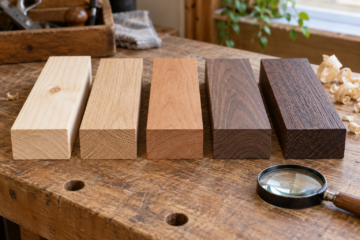
For an even, restrained look, white oak and maple are dependable choices. Walnut suits a darker finish, while cherry develops a warmer color over time. Pine can work, but its soft grain and uneven absorption make the result less predictable. The finish itself matters too: “low sheen” can mean satin, matte, or flat, and sheen levels are not standardized across brands.
As an Amazon Associate we earn from qualifying purchases at no extra cost to you.

Our Top Picks
 1 gal Minwax 13333 Clear Polycrylic Water-Based Protective128 fl oz6.88 x 4.25 x 7.88 inches2.2 poundsCheck on Amazon
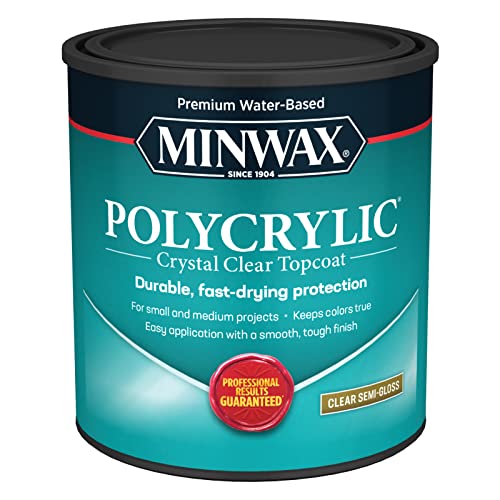 Minwax 1 qt Minwax 64444 Clear Polycrylic Water-Based32 fl oz4.4 x 4.4 x 5 inches2.25 poundsCheck on Amazon
 Varathane Water-Based Ultimate Satin PolyurethaneHalf Pint (Pack of 1)3 x 3 x 3 inches0.64 poundsCheck on Amazon
 Varathane Water-Based Ultimate Matte PolyurethaneQuart (Pack of 1)9.8 x 5.5 x 6.3 inches2.2 poundsCheck on Amazon
What low sheen means in practice
Sheen describes how much light a cured finish reflects. Gloss shows sharp reflections; satin softens them; matte and flat scatter more light. A matte finish can make grain look quieter, but it does not make the wood lighter or conceal surface flaws. Some low-sheen finishes also show fingerprints or burnishing more readily, especially on frequently handled surfaces.
Many clear finishes get their low sheen from flattening agents mixed into the coating. These particles can settle in the can, so stir thoroughly before and during use—do not shake, which can create bubbles. Apply the number of coats stated on the label, and keep coats even. A thick, uneven application can look patchy once it dries.
Wood species compared
| Species | Appearance under clear finish | Low-sheen suitability | Main trade-off |
|---|---|---|---|
| White oak | Strong grain; light tan to brown | Very good; satin or matte keeps the grain natural-looking | Open pores may need filling for a glass-smooth surface |
| Hard maple | Pale, fine, and relatively quiet | Very good with water-based finish | Can look blotchy with some oil finishes or stains |
| Cherry | Fine grain; pinkish when fresh, deepens with age | Very good for a warm, understated finish | Color changes with light exposure; boards can vary |
| Walnut | Rich brown with noticeable color variation | Good; matte reduces glare without hiding character | Light sapwood may contrast strongly with heartwood |
| Pine | Light, with prominent growth rings and knots | Fair; attractive for a rustic look | Soft earlywood dents easily and may absorb finish unevenly |
Choose by the look and project
White oak is a strong all-round option for furniture, shelves, and trim. Its coarse, open grain remains visible beneath a low-sheen finish, so it suits people who want texture rather than a uniform surface. If you want a smooth tabletop, pore filling adds work; for a natural open-grain look, it is unnecessary.
Hard maple works well when you want a pale, clean appearance. A water-based clear coat generally preserves its light color better than oil-based coatings, which tend to add amber warmth. Maple can show cloudy or uneven areas if the surface is scratched inconsistently, so sand evenly and inspect under raking light before finishing.
Cherry is a good choice if you like a warm tone that changes with age. Fresh cherry can look noticeably lighter than it will after months of light exposure. Buy boards with the color variation you can accept, and do not assume a clear coat will keep them pink or pale.
Walnut provides a darker, richer look without stain. Sort out pale sapwood if you want a more uniform piece; keeping it can also be a deliberate design choice. A low-sheen coat softens reflections, but the wood’s natural contrast remains.
Pine is a reasonable budget choice for casual furniture, painted projects, or a rustic finish. It is not a poor choice simply because it is inexpensive. Expect dents, visible knots, and more variation between earlywood and latewood. For a more even clear finish, use a compatible wood conditioner or sanding sealer only after testing it with your chosen topcoat.
Select the clear finish
Water-based polyurethane is a practical starting point when preserving a pale wood color matters. Oil-based polyurethane usually adds warmth and can make grain look richer, which is welcome on walnut or cherry but may yellow maple. Hardwax oils leave a natural-looking surface that is easy to refresh, but they generally offer less protection against standing water than a durable film finish. Match the product to the use: a decorative shelf has different demands from a kitchen table.
For a straightforward indoor project, compare water-based satin polyurethane with water-based matte polyurethane. Satin is often easier to live with because it reflects a little more light and may show handling marks less readily. Matte is better when glare reduction is the priority. Check the label for interior use, recoat times, and any restrictions on application temperature.
Prepare the surface and apply
Sand bare wood with the grit range the finish maker recommends; for many furniture projects, that means finishing around 180 or 220 grit. Going much finer can reduce absorption on some species and products. Remove dust thoroughly with a vacuum and a clean, dry cloth. Avoid leaving sanding scratches: low sheen hides glare, not cross-grain marks.
Test the full process on an offcut from the same board, including any stain, sealer, and topcoat. Apply the intended number of coats and let the sample cure before judging its color and sheen. On large surfaces, keep a wet edge and avoid overworking finish as it starts to tack. Between coats, sand lightly only if the product instructions call for it; cutting through a thin coat can leave a visible dull patch.
For most indoor projects, two or three thin coats are more reliable than one heavy coat. Allow the stated recoat time, and give the finish several days to cure before placing objects on it; full cure can take longer than the surface-dry time on the can. If a cheap pine board suits the look and the project is low-wear, there is no need to pay for premium hardwood. If uniform color and fewer dents matter, spend more on maple, oak, or walnut and save yourself some finishing work.
0 Comments