What's inside
As an Amazon Associate I earn from qualifying purchases. This post may contain affiliate links at no extra cost to you.
Red oak and white oak are both strong, durable hardwoods, but they do not look or behave quite the same once you cut, sand, stain, or finish them. Red oak usually has a pink-to-reddish cast and open, prominent grain. White oak tends to look more tan or olive-brown, with a tighter-looking grain and better resistance to moisture. For indoor furniture and trim, either can work well. The better choice depends on the color you want, the finish you plan to use, and whether water exposure is a concern.
As an Amazon Associate we earn from qualifying purchases at no extra cost to you.




Our Top Picks
 Varathane Water-Based Ultimate Satin PolyurethaneHalf Pint (Pack of 1)3 x 3 x 3 inches0.64 poundsCheck on Amazon


Quick comparison
| Feature | Red oak | White oak |
|---|---|---|
| Typical color | Pinkish tan to reddish brown | Light tan to brown, sometimes with olive or gray tones |
| Grain | Open, strong grain; rays are usually shorter and less noticeable | Open pores, often with longer, more visible rays on quarter-sawn boards |
| Moisture behavior | More permeable; less suitable where water resistance matters | More resistant to moisture because its pores are commonly blocked by tyloses |
| Typical uses | Furniture, flooring, cabinets, trim | Furniture, flooring, cabinets, exterior or damp-use projects when properly finished |
| Cost and availability | Often less expensive and widely stocked | Often costs more, especially in clear or quarter-sawn stock |
Color and grain: what you will see
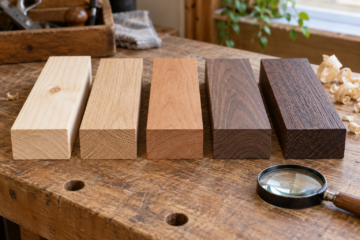
Red oak’s color is usually easy to spot in unfinished lumber: the heartwood can have a warm pink or reddish cast, while the sapwood is lighter. Its large pores create a bold, striped grain on plain-sawn boards. White oak is not always bright white; its color commonly ranges from light brown to a muted tan, with occasional olive-gray tones. Board selection matters because both species vary with growing conditions, cut, and age.
Both species have open pores. White oak is often described as having a tighter grain, but that does not mean its surface is pore-free. Quarter-sawn white oak can show long, dramatic medullary rays, sometimes called fleck or tiger stripe. Red oak can show rays too, but they are generally less prominent. If the ray figure is the point of the project, check the actual boards rather than relying on the species name alone.
For a clear finish, put sample pieces from your actual stock under the finish you intend to use. A water-based topcoat may leave the wood closer to its raw color, while oil-based finishes typically deepen and warm it. Those changes can make red oak look noticeably redder and white oak more amber.
Moisture resistance and project choice
White oak is usually the safer of the two for projects exposed to occasional dampness. Its vessel pores commonly contain tyloses, structures that reduce water movement through the wood. Red oak is more porous and can draw water along the grain; an unfinished red-oak board placed over a wet surface may show darkening or water movement farther from the spill than expected.
This does not make white oak waterproof. Outdoor furniture, doors, and boat parts still need suitable construction, drainage, and a finish maintained for the exposure. For a dry indoor bookcase, table, or set of cabinet doors, red oak is often perfectly serviceable. Paying extra for white oak solely because it is “more durable” may not be worthwhile if the project stays indoors and dry.
Staining and finishing differences
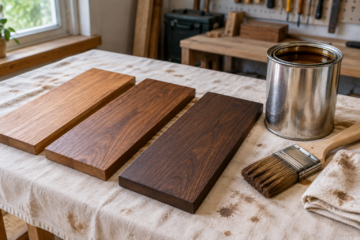
Both oaks take stain readily because of their open grain, but the result is not identical. Red oak’s warm undertone can push brown stains toward red or orange. White oak often gives a more muted brown, gray, or natural-oak look, though olive tones can appear under some finishes. Dark stains can emphasize the pores on either species, producing a pronounced grain pattern rather than a uniform color.
Do not judge a stain from its color on the can. Sand two offcuts using the same sequence you plan to use on the project—often 120 grit followed by 150 or 180 grit—and apply the complete finish system. Sanding much finer can reduce stain absorption and leave color lighter or less even. If you want a smooth, filled surface, use a compatible pore filler before the topcoat; expect this to add a preparation step, especially on large tabletops.
For a natural look, a clear water-based finish helps limit ambering. An oil-based polyurethane deepens the color and offers a familiar, durable furniture finish, but it will shift the sample more strongly. If you want a pale or gray-toned result, test a washcoat or stain schedule first: the oak’s natural undertone can make a color look different from the swatch. A wood stain sample set can be useful, but test on the same species and preferably the same board as the finished piece.
Buying boards and avoiding surprises
Compare boards by grade, width, cut, and usable yield—not just by species. A lower-cost red-oak board may be a better buy for painted or stained utility shelving, while clear white oak may be worth the premium for visible cabinet fronts or a distinctive quarter-sawn panel. Check for end checks, knots, twist, and color variation. Ask whether lumber is kiln-dried and what moisture content is typical; for indoor furniture, roughly 6–8% is a common target in many heated homes, though local conditions matter.
When matching boards, lay them out in the intended order before glue-up. Mixing plain-sawn and quarter-sawn stock can create a patchy pattern even if the color is similar. If you are choosing between species for a small project, buy a short offcut or a few sample boards before committing to a full load. That modest test can prevent an expensive mismatch after sanding and finishing.
Which one should you choose?
Choose red oak when you want a strong, readily available hardwood, like its warm grain, and are working on a dry indoor project where price matters. It is not a poor substitute; it is often the sensible choice for flooring, furniture, and trim. Choose white oak when you prefer its usually quieter, more neutral color, want prominent quarter-sawn ray figure, or need better resistance to moisture. For either species, plan on test pieces and a sound finish rather than expecting the wood name alone to guarantee the final color.
For a clear finish, keep the application consistent and follow the coating maker’s directions for sanding between coats. A water-based polyurethane finish is one option when you want less ambering; an oil-based polyurethane finish suits projects where a warmer tone is welcome. Neither removes the need to test the finish on your actual oak before coating the whole piece.
0 Comments