What's inside
As an Amazon Associate I earn from qualifying purchases. This post may contain affiliate links at no extra cost to you.
A lightly stained bedroom dresser looks best when the wood has an attractive, reasonably even color before the finish goes on. That makes species choice more important than the stain itself. Some woods accept a pale stain with little effort; others develop dark patches, muddy grain, or an unexpectedly orange color.
For most dressers, white oak is the safest all-around choice. Hard maple is the cleanest choice for a very pale, nearly natural look, while alder is a good lower-cost option when you want a smooth, understated surface. Birch and pine can work, but they require more careful preparation.
As an Amazon Associate we earn from qualifying purchases at no extra cost to you.


Our Top Picks


Best wood species for a lightly stained dresser
| Wood | Appearance under light stain | Ease of finishing | Best use |
|---|---|---|---|
| White oak | Visible open grain; warm tan to light brown | Easy | Best overall choice |
| Hard maple | Very pale, fine, and clean; subtle grain | Moderate | Modern, light-colored dressers |
| Alder | Even, quiet grain; warm beige | Easy to moderate | Lower-cost painted or stained furniture |
| Birch | Pale and smooth, but can become blotchy | Moderate to difficult | Budget-friendly veneered panels |
| Cherry | Starts pinkish and darkens substantially | Easy | Traditional furniture, if aging is acceptable |
| Pine | Strong knots and uneven color | Difficult | Low-cost rustic projects |
White oak: the best general recommendation
White oak accepts light brown, natural, and gray-brown stains predictably. Its open grain remains visible, giving a dresser some texture without requiring a dark color. It is also hard enough for drawer fronts, face frames, and exposed edges, where softer woods can dent.
Choose white oak if you want a lightly stained dresser that looks intentionally made rather than simply covered with color. Quarter-sawn or rift-sawn oak produces straighter grain and a more contemporary appearance; plain-sawn oak has the familiar cathedral grain and is usually less expensive.
The trade-off is cost and weight. Oak is heavier than alder or pine, and matching solid oak to oak veneer can take some effort. For a large dresser, oak veneer over a stable plywood core is often the sensible construction. Use white oak veneer plywood for broad side panels rather than trying to prevent wide solid boards from moving.
Hard maple for the palest finish
Hard maple is the right choice when “lightly stained” really means almost natural. It has a fine, restrained grain and can remain very pale under a clear water-based finish. A light amber or natural stain adds warmth without hiding the wood.
Maple’s weakness is uneven absorption. Pigment stains can leave cloudy areas, especially on end grain, glue spots, and sanded-through veneer. Test the exact stain on an offcut, then consider a thin coat of dewaxed shellac or a commercial wood conditioner before staining. These steps reduce contrast, but they can also make the color lighter and less vivid.
Maple is hard and machines cleanly, but it costs more than alder and is less forgiving of visible glue squeeze-out. Remove glue with a sharp chisel or scraper before sanding; sanding alone often leaves a polished glue patch that will not accept stain.
Alder, birch, and pine: cheaper choices with conditions
Alder is often the best budget compromise. It sands smoothly, has a relatively quiet grain, and takes light brown stains with less drama than birch or pine. It is softer than oak or maple, so expect dents around drawer pulls and lower edges. That is usually acceptable for a bedroom dresser used carefully.
Birch plywood is widely available and makes stable dresser cases. Its face veneer is attractive but notorious for blotching under penetrating stain. A gel stain or a conditioner helps. Do not sand thin veneer aggressively: stop around 150 or 180 grit, because sanding through a 1/32-inch veneer can ruin a panel.
Pine is the cheapest option, and it is fine for a rustic dresser or a project that will later be painted. For a lightly stained piece, however, soft earlywood absorbs stain much more heavily than dense latewood. Knots may remain dark or bleed resin through the finish. Use a conditioner or gel stain, and accept that sample-board testing is essential.
Choose the stain and clear finish together
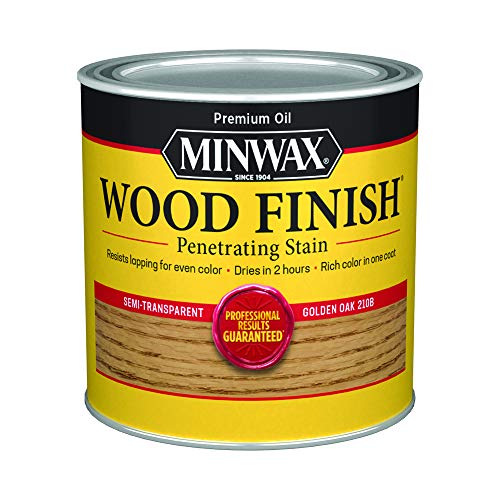
For a subtle color change, use a light-colored gel stain or a low-pigment penetrating stain. Gel stain sits closer to the surface and is easier to control on maple, birch, and pine, but it can look flatter and obscure some grain. Penetrating stain looks more natural on oak and alder, provided the boards absorb evenly.
Water-based stains dry quickly and usually keep pale woods from becoming excessively orange. Oil-based stains provide longer working time but can deepen the color and require much longer drying. Regardless of type, wipe off excess stain according to the label. Leaving a heavy residue can produce a soft, streaky film under the topcoat.
For a bedroom dresser, use a clear water-based polyurethane, acrylic finish, or hard-wax oil rated for furniture. Apply three thin coats of water-based finish, sanding lightly with 320-grit paper between coats when the label permits. Oil finishes may need two or three coats and more curing time. Let the finish cure fully before loading drawers; “dry to the touch” is not the same as hardened.
Preparation determines the final result
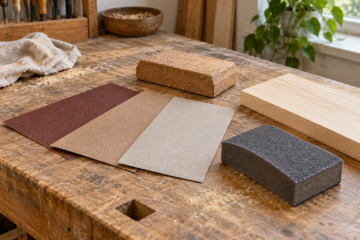
Sand solid wood progressively to 150 or 180 grit for most stains. Going to 220 grit can close the surface enough to reduce stain absorption, particularly on maple, birch, and alder. Remove dust with vacuuming followed by a clean, lightly damp microfiber cloth; do not flood the wood with water.
Break sharp edges with one or two light passes of sandpaper. A perfectly sharp edge absorbs more stain and finish than the face, producing a dark outline. Sand end grain one grit finer than the face if it is noticeably darker, and apply stain sparingly there.
Always make a sample using the same species, sanding schedule, conditioner, stain, and topcoat. Test both face grain and an edge. A sample made from a different wood—or even a different batch of plywood—does not reliably predict the dresser.
What to buy
Choose white oak for the most reliable lightly stained result and visible grain. Choose hard maple for a pale, modern dresser, but plan on conditioner or a controlled gel stain. Choose alder when price matters and minor dents are acceptable. Birch plywood is a practical case material if you test first; pine is suitable mainly when rustic variation is part of the design.
For a first project, buying wood conditioner for staining and making a test panel is cheaper than replacing a blotchy dresser front. The extra hour of preparation usually matters more than upgrading from one mid-priced stain to another.
0 Comments