What's inside
As an Amazon Associate I earn from qualifying purchases. This post may contain affiliate links at no extra cost to you.
Our Top Picks
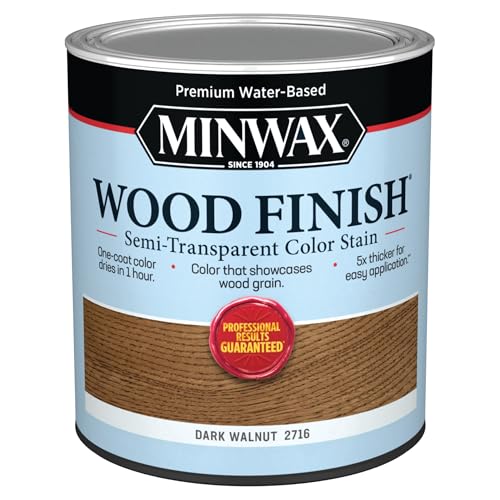 Minwax Wood Finish Water-Based Semi-Transparent Color Stain1 Quart4.32 x 4.32 x 4.92 inchesCheck on Amazon
 Polyurethane Wood Finish Water Based Polyurethane Clear Gloss100 ml1.6 x 1.6 x 4.7 inchesCheck on Amazon

Choosing the Right Wood for a Transparent Brown Dye Finish
A transparent brown dye finish works best when the wood already has an attractive grain pattern. Unlike a pigment stain, which leaves particles in pores and can partially obscure the surface, a dye dissolves into the wood and leaves the figure visible. The result can be clean and furniture-like, but it also exposes uneven absorption, sanding scratches, glue spots, and color differences between boards.
The safest choices are close-grained hardwoods with consistent absorption. Oak, ash, walnut, cherry, and maple can all work, but they produce very different results. Softwoods such as pine are inexpensive and usable for rustic projects, though they are the least predictable. Before buying a full container of dye, test the complete finishing schedule on an offcut or hidden area. The same brown dye can look honey-colored on maple and nearly black in the open pores of oak.
As an Amazon Associate we earn from qualifying purchases at no extra cost to you.

Best wood species compared
| Wood species | Appearance with transparent brown dye | Difficulty | Best use |
|---|---|---|---|
| White oak | Strong grain and open pores; brown becomes darker in the pores | Low | Tables, cabinets, flooring-style projects |
| Walnut | Rich, naturally brown; dye deepens color without needing much pigment | Low | Furniture and high-end trim |
| Cherry | Warm reddish brown; darkens naturally with light exposure | Medium | Furniture and small boxes |
| Hard maple | Even, clear grain with a light amber-to-brown result | Low to medium | Modern furniture and work surfaces |
| Birch | Light, clean brown but prone to uneven absorption | Medium | Cabinet parts and plywood projects |
| Pine | Rustic brown with possible dark patches and strong variation | High | Budget furniture and decorative projects |
Oak and walnut: the easiest rich results
White oak is one of the most forgiving choices. Its large pores accept dye readily, producing visible grain and a pronounced brown contrast. A medium brown dye often gives white oak a warm, traditional appearance without requiring a heavy stain. Red oak also works, but its pink or salmon undertone can remain visible through lighter brown colors. If you want a neutral brown, test red oak carefully or choose white oak instead.
Open-pored oak can look too contrasty if the dye is very dark. A washcoat or thin sealer before dyeing reduces absorption, but it also reduces the depth of the color. Sanding to 150 or 180 grit is normally enough. Going much finer can close the pores and make the dye less consistent.
Walnut is the easiest way to get a naturally convincing brown finish because the wood supplies much of the color. A light brown dye can even out pale sapwood and add depth to the heartwood. A dark dye is usually unnecessary and may make the surface look flat. Walnut is more expensive than oak, but the cheaper option is fine when the project already calls for a deep, dark brown and visible open grain.
Maple, cherry, and birch: clean but less forgiving
Hard maple has a tight, fairly uniform surface. It takes dye more evenly than most softwoods and produces a crisp, transparent result with subtle grain. Because maple starts almost white, even a modest brown dye can look stronger than expected. Use a dilute sample first; reducing the dye strength by 25 to 50 percent is often more useful than trying to remove an overly dark coat.
Cherry accepts dye reasonably well, but its natural red undertone remains part of the finished color. It also darkens with ultraviolet exposure, often becoming noticeably deeper and more orange-brown over several months. If you need the color to stay close to the original sample, use a finish with effective UV protection and keep the sample in normal room light for a few days before choosing the final color.
Birch is common in affordable plywood and solid stock, but it can blotch. The face veneer may absorb dye differently from the core or edge, and small areas around knots can become much darker. Birch is still a practical choice for painted or lightly colored work. For a transparent brown finish, apply a thin washcoat or use a controlled spray dye rather than flooding the surface with a wet brush.
Pine and other softwoods
Pine is the budget option, not the predictable option. Earlywood absorbs dye quickly while harder latewood absorbs less, creating stripes and dark patches. Knots may remain much darker or resist the color entirely. A conditioner designed for penetrating stains may help, but it can also make the dye lighter and less transparent. Test it with the actual dye rather than assuming the label’s results transfer from stain to dye.
For a pine project, sand through 120, 150, and 180 grit, then remove dust thoroughly. Avoid pressing the abrasive hard, because compressed soft areas can become lighter than surrounding wood. A thin seal coat of dewaxed shellac can improve uniformity, but apply it evenly. Heavy overlap marks create their own blotches.
Preparation and application
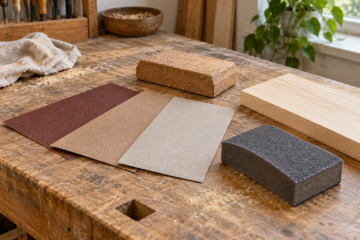
Start with clean, glue-free wood. Dried glue on a joint or end grain will repel dye and leave pale outlines. Scrape squeeze-out before it dries, then inspect the surface under raking light. Sanding scratches can become dark lines, especially with water-soluble dye. Use a sharp card scraper or sand evenly with a random-orbit sander, finishing at 150 to 180 grit for most species.
Choose a dye made for the carrier you plan to use: water, alcohol, or a compatible solvent. Water dyes provide more open working time but can raise the grain. After the first coat dries, knock down the raised fibers with a light pass of 220-grit paper, then apply the remaining color. Alcohol dyes dry faster and are less likely to raise grain, but lap marks are harder to correct.
For small projects, water-soluble wood dye concentrate is economical because you can mix weak test batches. Apply two or three thin coats instead of one heavy coat. Let each coat dry fully, and compare the color only after applying the intended clear finish; many finishes add a yellow or amber cast.
Clear coat and common failures
Seal the dye with a compatible clear finish. Water-based polyurethane preserves a cooler brown, while oil-based varnish or polyurethane adds amber warmth and can make the color appear darker. If you want maximum transparency, choose a clear topcoat rather than a heavily pigmented “stain and finish” product. A water-based clear polyurethane is often the better choice for maple, birch, and modern furniture.
The most common failures are blotching, a cloudy topcoat, and dye rubbing off during finishing. Blotching usually comes from uneven absorption or poor preparation. Cloudiness often comes from applying finish over damp dye or working in high humidity. Rubbing can occur when the dye has not dried completely, especially in deep pores. Allow at least the manufacturer’s stated drying time, and longer in cool or humid conditions.
For the most reliable transparent brown, choose white oak or walnut. Choose maple for a cleaner, lighter appearance, cherry for warmth, and pine only when its variation suits the design or the low material cost matters more than uniform color.
0 Comments