What's inside
As an Amazon Associate I earn from qualifying purchases. This post may contain affiliate links at no extra cost to you.
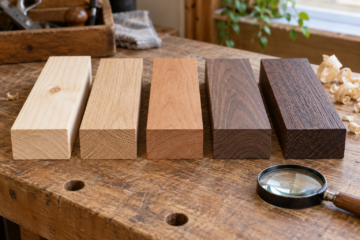
A brushed oil finish is a good match for furniture and trim when you want visible grain, a low-sheen surface, and more texture than a sprayed or heavily sanded finish provides. The technique uses a stiff brush to work oil into the grain, then removes the excess. The wood species matters because open-pored woods accept oil readily, while dense woods can turn blotchy, sticky, or uneven.
For most projects, white oak, walnut, ash, and teak are the safest choices. Pine and other softwoods can work, but they need more careful surface preparation. The best wood depends on whether you want a strong grain pattern, a consistent color, outdoor durability, or the lowest material cost.
As an Amazon Associate we earn from qualifying purchases at no extra cost to you.


Our Top Picks
 Minwax Fast Drying Polyurethane Protective Wood Finish1/2 Pint2.9 x 2.9 x 3 inches0.45 poundsCheck on Amazon


Best wood species for a brushed oil finish
| Wood species | What the oil does | Best use | Main drawback |
|---|---|---|---|
| White oak | Deepens the brown tone and emphasizes open pores | Tables, cabinets, flooring, trim | Can look too dark if the oil is heavily tinted |
| Walnut | Richens the brown color and gives the grain depth | Furniture and high-end interior work | Expensive; oil can make color variation more obvious |
| Ash | Highlights its bold, straight grain | Cabinet doors, benches, shelving | Open pores can hold excess oil and stay tacky |
| White oak | Deepens the brown tone and emphasizes open pores | Tables, cabinets, flooring, trim | Can look too dark if the oil is heavily tinted |
| Maple | Adds a warm cast but leaves a relatively smooth appearance | Modern furniture and light-colored interiors | Dense areas may absorb unevenly |
| Pine | Darkens knots and earlywood, often strongly | Rustic furniture and inexpensive projects | Blotching, dents, and uneven absorption |
| Teak | Enhances the golden-brown color and natural grain | Outdoor furniture and damp locations | Natural oils can interfere with curing |
The duplicate-looking oak entry above reflects a practical distinction: white oak is often the most predictable domestic hardwood for this finish, while its quarter-sawn figure gives a very different result from plain-sawn boards. In either cut, it is a dependable starting point for a first brushed-oil project.
Open-grain hardwoods: the easiest results
White oak and ash are particularly forgiving because their large pores visibly accept the finish. Brushing across and then with the grain pushes oil into those pores and produces a clear, tactile grain pattern. If you want a rustic or hand-finished appearance, these species are usually better choices than maple or birch.
Walnut also responds well, but the result is less about dramatic pore contrast and more about color depth. A clear oil often makes walnut look slightly darker and warmer. Test it on an offcut first: sapwood may remain much lighter than the heartwood, and oil will not make that difference disappear.
Use a natural-bristle finishing brush for these woods. A brush with 2- to 3-inch bristles gives enough control for furniture panels without leaving large puddles at the edges.
Dense and light-colored woods
Maple, birch, cherry, and beech can all be oiled, but their tighter grain makes brush marks and uneven wiping more noticeable. Cherry darkens naturally with light and age, so an oil finish can make new boards look more orange or red than expected. Maple tends to look clean and understated rather than heavily textured.
On these woods, sand consistently to about 150 or 180 grit. Sanding one area to 220 grit while leaving another at 150 can produce different absorption. Do not assume finer sanding always improves the result; burnished spots can repel oil and create pale patches.
A thin first coat is safer than trying to create color in one heavy application. If you need more color, use a hardwax oil wood finish in two thin coats rather than leaving one thick coat to cure. Follow the label’s recoat time, commonly 8 to 24 hours.
Pine and other softwoods
Pine is inexpensive and perfectly acceptable for shelves, benches, and rustic projects, but it is not the easiest wood to brush with oil. The soft earlywood absorbs heavily, while dense latewood and knots absorb less. The result can be dark stripes, halos around knots, and blotchy color.
For a more even result, sand to 150 grit, remove dust thoroughly, and apply a thin coat of a compatible wood conditioner if the oil manufacturer allows it. Conditioner is not a cure-all; it can also reduce color intensity. A clear oil is safer than a dark pigmented oil on pine.
Spruce, fir, and hemlock behave similarly. They are cheap options when the uneven, informal appearance is acceptable. If the project needs a uniform dark finish, upgrading to ash or white oak may cost less than correcting blotches with repeated sanding and stain.
Teak and other oily woods
Teak is durable outdoors, but its natural oils can slow curing or cause adhesion problems. Wipe freshly sanded teak with the cleaner recommended by the finish manufacturer, allow it to evaporate, and apply a test coat. Some exterior teak oils are designed to replenish color rather than form a durable film, so read the product description carefully.
Ipe, rosewood, and some other exotic species deserve the same caution. They may require solvent wiping, a longer drying period, or a finish specifically rated for oily woods. If an oil remains tacky after the stated cure time, adding another coat usually makes the problem worse.
How to apply the finish
Prepare a sample using the same species, sanding schedule, edge treatment, and brush. Sand the workpiece through 120, 150, and—if the finish label permits—180 grit. Break sharp edges lightly; a raw sharp edge will absorb more oil and may appear darker.
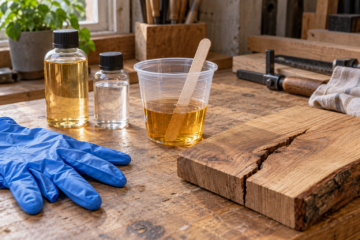
Stir the oil slowly rather than shaking it. Brush on a thin, even coat with the grain, then work across the grain briefly on open-pored woods. Let it sit for the label’s specified time, often 5 to 15 minutes, and wipe all visible excess with lint-free cotton cloths. The surface should look damp, not wet.
After curing, lightly abrade only if the instructions call for it, using a fine abrasive around 320 grit. Apply a second thin coat when greater protection or sheen is needed. Heavy coats are the most common failure: they leave shiny patches, attract dust, and can remain soft for days.
What to buy for your project
Choose white oak or ash for prominent grain and predictable absorption. Choose walnut when color and furniture appearance matter more than price. Choose maple for a restrained, contemporary look. Choose pine when budget is the priority and some color variation is acceptable. For outdoor work, teak is the sensible species, but only with a finish intended for oily exterior wood.
Keep used oil rags flat outdoors to dry, or store them under water in an approved metal container. Oil-soaked cloth can generate heat and ignite. For large surfaces, a lint-free cotton shop rag is inexpensive and works as well as premium finishing cloth when it leaves no fibers behind.
0 Comments