What's inside
As an Amazon Associate I earn from qualifying purchases. This post may contain affiliate links at no extra cost to you.
A satin oil finish depends as much on the wood as on the oil. Open-pored species can look warm and tactile but may show uneven sheen; dense, close-grained woods tend to finish more evenly but can look less dramatic. For a bed frame, also weigh cost, dent resistance, and how much sanding the species needs. Rails and posts take knocks, while a headboard offers a larger, more visible surface.
As an Amazon Associate we earn from qualifying purchases at no extra cost to you.



Our Top Picks
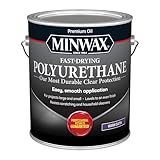
 Minwax Fast Drying Polyurethane Protective Wood FinishGallon6.5 x 6.5 x 7.62 inches8.5 PoundsCheck on Amazon


What “satin oil” means
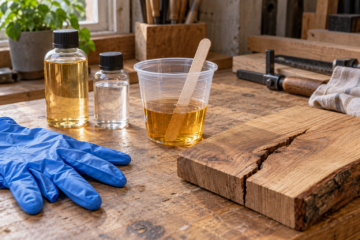
Oil finishes vary. Penetrating oils, such as tung or linseed oil blends, soak into the wood and usually leave a low sheen. Hardwax oils and oil-varnish blends leave more protection on the surface and are often sold in matte or satin versions. “Satin” describes sheen, not a guaranteed level of durability. Check the label for the specific product’s cure time and maintenance instructions.
For a bed frame, choose a finish intended for furniture or interior woodwork, and test it on an offcut from the same board. Apply it to the back of a rail or another hidden area if you do not have an offcut. A thin, even coat usually looks better than a heavy one. Excess oil left on the surface can dry sticky or patchy; wipe it off within the time stated by the manufacturer.
Wood species at a glance
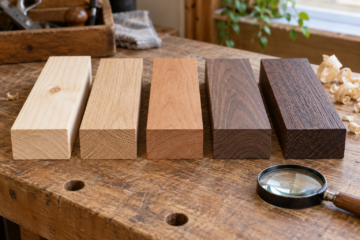
| Species | Appearance under oil | Durability and workability | Good fit when |
|---|---|---|---|
| Oak | Pronounced grain; warm, textured look | Hard and durable; open pores can hold excess finish | You want visible grain and a sturdy frame |
| Maple | Fine, subtle grain; can deepen slightly | Hard, but sanding marks and uneven absorption show readily | You prefer a clean, restrained look and can prep carefully |
| Cherry | Fine grain; richens and darkens with age | Moderately hard; generally sands and finishes well | You want a warm tone that develops over time |
| Walnut | Dark brown, with strong color variation | Stable and workable; generally more expensive | You want a dark, premium-looking frame without stain |
| Beech | Pale, even appearance; modest grain | Hard and affordable in many markets; can show blotching | Budget and a light, simple look matter more than dramatic grain |
| Pine | Light, knotty, and strongly varied | Soft and easy to dent; resinous knots can affect the finish | Low cost and a casual, rustic appearance are priorities |
Oak: the dependable grain-forward choice
White oak is a strong all-round option for a bed frame: it is hard-wearing, widely available, and its grain remains prominent under oil. Red oak is also durable, though its pinker cast may be more noticeable beneath a clear finish. Oak’s open pores can make a hand-rubbed finish look uneven if oil pools in the grain. Apply thin coats, wipe thoroughly across the surface, and inspect the pores in raking light before the finish cures.
Oak is not the cheapest choice, and its bold grain can dominate a small room. But if you want a frame that tolerates everyday bumps and looks like solid wood, it is often worth the extra cost.
Maple, cherry, and walnut: quieter or richer color
Maple is very hard, but its pale, even surface makes scratches from coarse sanding conspicuous. Sand progressively rather than jumping grits; for many projects, a sequence ending around 180 or 220 grit is a sensible starting point, subject to the finish maker’s instructions. Do not assume finer is always better: polishing the surface too far can reduce absorption and leave a finish looking uneven.
Cherry suits a warmer, understated frame. It often starts lighter and darkens with light exposure, so color may change over months and years. Walnut gives a naturally dark result without stain, but it usually costs more than oak or beech. If price is the deciding factor, a less expensive species with clear oil is a reasonable choice; stain is not required to make a frame look finished.
Beech and pine: lower-cost alternatives
Beech can be a practical frame wood where it is readily available. Its fine grain gives a calmer look than oak, but uneven absorption may create light and dark areas. Test the full finish schedule, not just the oil, before coating visible parts. Pine costs less and is easy to work, but its softness means dents are part of the trade-off. Knots may darken or bleed resin through some finishes, so avoid resinous boards for prominent rails and seal knots if the product system calls for it.
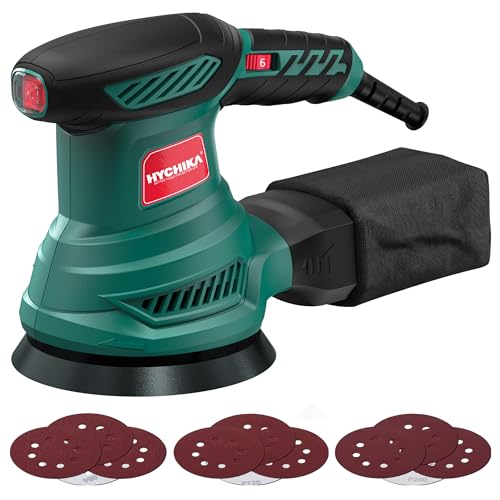
For either wood, a satin finish will not hide dents, glue smears, or sanding scratches. Remove glue squeeze-out while it is workable, then inspect the bare wood under a bright angled light. A random-orbit sander can speed up broad surfaces, but sand corners and narrow rails by hand to avoid rounding edges unevenly.
Prep and application that prevent common failures
Dry-fit the frame and mark each part before finishing. Keep finish off glue surfaces: oil contamination can weaken later glue bonds. If you are building the frame, leave mating areas unfinished and follow the adhesive manufacturer’s directions. On assembled furniture, protect joints and hardware so oil does not collect in crevices.
Sand all visible faces evenly, then remove dust with a vacuum and a clean, lint-free cloth. Do not use a tack cloth unless its maker confirms it is compatible with your finish; some leave residue. Apply a test coat and check the color after it has dried, since wet oil looks darker than the cured surface. Use a lint-free finishing cloth or the applicator specified on the label.
Follow the stated recoat and cure times rather than judging by touch alone. A surface can feel dry while the finish is still curing. Keep oily rags spread flat outdoors to dry in a safe, ventilated place, or store and dispose of them exactly as the label directs; bunched oil-soaked cloth can heat up and catch fire. Do not put bedding on the frame until the finish is fully cured.
Choosing for your room and budget
Choose oak for a durable, clearly grained frame; maple for a pale, restrained one; cherry for warmth that deepens with age; and walnut for natural dark color if its price works. Beech is a sensible economy hardwood, while pine is the low-cost option if you accept dents and a more rustic appearance. In every case, the board’s grain, knots, and preparation affect the result. Buy a small amount of the intended finish and test it on the actual wood before committing to the whole frame.
0 Comments