What's inside
As an Amazon Associate I earn from qualifying purchases. This post may contain affiliate links at no extra cost to you.
Danish oil does not make every wood look pale or blond. It is a wiping finish—usually a blend of oil and varnish—that deepens color and brings out grain. On naturally light wood, the best results come from choosing a species with an even, low-contrast appearance and testing the finish before treating the whole piece. “Light” is relative: most woods amber or darken to some degree under oil.
As an Amazon Associate we earn from qualifying purchases at no extra cost to you.


Our Top Picks

What Danish oil does to light wood
Raw wood scatters light at its surface, giving it a dry, pale look. Oil wets that surface and increases contrast, so grain often appears richer and darker. Some formulas also contain amber-toned oil or varnish, which can warm the color further. The label alone does not reliably predict the final shade; products sold as Danish oil vary in ingredients and tint.
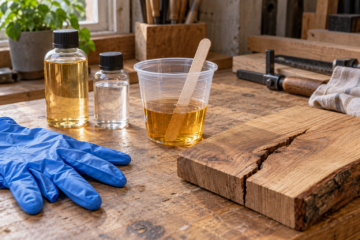
Make a test board from the same stock, sanded to the same grit as the project. Apply the oil as directed, wipe off the excess, and judge it only after it has dried. For a fair test, let the sample sit for at least 24 hours; color can shift as the finish cures. If keeping the wood pale is essential, compare an oil sample with a clear water-based finish. Neither option prevents all color change over time from light exposure.
Best species for a light, natural look
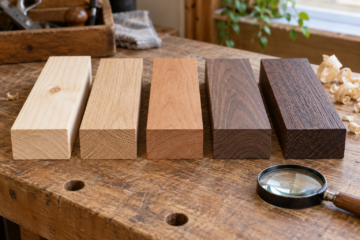
Maple is a dependable choice for a quiet, pale finish. Its tight grain and generally even color keep the appearance clean, especially on hard maple. Danish oil will still add warmth and can make mineral streaks or figure stand out. Choose boards carefully if uniform color matters; the finish will not hide natural variation.
Birch is often a lower-cost alternative to maple and can finish to a similarly light, understated look. Color and grain vary more between boards, and blotching is possible, particularly on figured or unevenly sanded areas. A sample is important before committing to a large surface.
Ash stays relatively pale but has bold, open grain. Oil makes its growth-ring contrast more pronounced, so it suits projects where visible grain is welcome rather than a nearly uniform surface. Open pores may hold finish; wipe thoroughly and check for shiny patches after drying.
White oak is light tan rather than blond, with prominent grain and open pores. Danish oil gives it a warm, natural appearance, but it will look darker and more textured than maple or birch. It is a good pick when a light finish should still show strong character.
Beech has a fine, fairly even grain and can look pale pink or tan after oil. It is a practical option for furniture and small projects, though color varies and may warm noticeably. For a very pale result, do not assume beech will match a maple sample.
How the species compare
| Species | Typical appearance with Danish oil | Main trade-off |
|---|---|---|
| Maple | Pale, smooth, and relatively uniform | Color variations and figure remain visible |
| Birch | Light and subtle, with variable grain | Can blotch; board selection matters |
| Ash | Light with strong, open grain | More visual contrast and visible pores |
| White oak | Warm tan with pronounced grain | Darker and coarser-looking than maple |
| Beech | Fine-grained, often pale pink-tan | Can warm more than expected |
Choose the wood for the look you want
For the palest, calmest result, start with clear, straight-grained maple. Birch can save money when a slightly less consistent appearance is acceptable. Pick ash or white oak if visible grain is part of the design, not a defect to minimize. Compare boards in the same lighting; a pale board with strong streaks may look less uniform after oil than a slightly darker, straighter-grained one.
Wood grade and board selection can matter as much as species. Look for matching color and grain across the pieces that will sit side by side. For a tabletop, arrange the boards before finishing and test a cutoff from each board. Danish oil emphasizes differences rather than blending them.
Prepare the surface carefully
Sand evenly through the grits rather than skipping steps. A common sequence is 120, 150, then 180 grit for furniture; follow the finish maker’s directions if they specify otherwise. Sanding much finer can reduce absorption and leave a less even result, while scratches left by coarse paper become more visible once oil darkens the wood. Vacuum the surface and remove dust before applying finish.
On birch and other blotch-prone stock, inconsistent sanding or glue residue can show up as pale or dark patches. Check joints for dried glue with raking light and remove it before the final sanding. A conditioner is not automatically useful under Danish oil: products intended for stain may change oil absorption, so test the complete finishing schedule on scrap first.
Apply thin coats and wipe them back
Use the product label as the authority for application and drying time. Typically, Danish oil is spread onto clean wood, allowed to penetrate briefly, then wiped completely dry with a clean cloth. Leaving a wet film on the surface can create sticky, shiny areas that take much longer to cure. Do not add another coat just because the wood looks uneven while wet; assess it after the stated drying period.
For a small project, a basic lint-free finishing cloth is enough. A dedicated applicator is not necessary if the cloth stays clean and you can wipe off all excess. Wear gloves, ventilate the room, and keep oil-wet rags spread flat outdoors to dry or submerged in water in a sealed metal container; piled oily rags can heat up and catch fire.
When Danish oil is the wrong choice
If the goal is to keep maple or birch as close as possible to its raw, pale color, Danish oil is a compromise. A clear water-based finish usually adds less amber color, though it can still make the wood look slightly darker or change its appearance. Compare samples before buying a full can. Danish oil is reasonable when a little warmth and visible grain are welcome; it is less suitable when a nearly unchanged, very light surface is the priority.
0 Comments