What's inside
As an Amazon Associate I earn from qualifying purchases. This post may contain affiliate links at no extra cost to you.
Choosing between water-based polyurethane and hardwax oil comes down to how you use the floor, how much maintenance you will accept, and whether you want a repairable finish or a sealed film. Both can produce a durable floor, but they behave differently during application and wear.
As an Amazon Associate we earn from qualifying purchases at no extra cost to you.


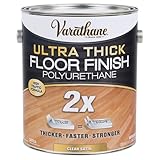

Our Top Picks
The Basic Difference
Water-based polyurethane dries into a clear protective film on top of the wood. Several coats build a continuous barrier that resists water, dirt, and abrasion. It is usually the better choice for busy rooms, rental properties, hallways, kitchens, and homes where mopping is frequent.
Hardwax oil soaks partly into the wood and leaves a thin layer of oil and wax at the surface. It gives boards a natural, low-sheen appearance and makes small areas easy to refresh. However, it does not provide the same thick moisture barrier as polyurethane. Standing water, grit, and neglected maintenance will expose that weakness.
Neither finish makes poorly prepared flooring look good. Scratches, sanding swirls, glue spots, and uneven board edges will remain visible, especially with a low-sheen oil finish.
Water-Based Polyurethane vs Hardwax Oil
| Factor | Water-based polyurethane | Hardwax oil |
|---|---|---|
| Appearance | Clear to slightly amber; available from satin to gloss | Natural, usually matte or satin; enhances grain |
| Surface protection | Strong film against wear and spills | Good for normal wear, but less resistant to standing moisture |
| Spot repairs | Often difficult to blend invisibly | Usually practical after cleaning and light abrasion |
| Typical coats | Two to three finish coats, sometimes over a sealer | Usually one thin coat, or two products in a specified system |
| Drying and use | Light traffic often takes 24 hours; full cure commonly takes several days | Light traffic may take 12 to 24 hours; full cure varies by product |
| Maintenance | Regular cleaning; recoating usually means sanding or screening | Periodic maintenance oil or refresher may be needed |
When Water-Based Polyurethane Makes More Sense
Choose water-based polyurethane when spill resistance and low routine maintenance matter most. It is a sensible finish for family rooms, dining areas, entryways, and flooring that may see wet shoes or frequent cleaning. Once cured, a quality floor finish forms a harder, more continuous surface than most hardwax oil systems.
Modern water-based products stay much clearer than traditional oil-based polyurethane. That is useful on white oak, maple, ash, and other pale woods where amber color is unwanted. They also produce less odor and typically dry faster, which can shorten the time a room is out of service. For a DIY project, compare water-based floor polyurethane products by their floor-specific rating rather than buying a general interior wood finish.
The main drawback is application sensitivity. Dust, lap marks, bubbles, and roller texture can become trapped between coats. The boards must be sanded consistently, vacuumed thoroughly, and wiped with a compatible tack cloth or manufacturer-approved method. Do not shake the container; shaking can create bubbles. Apply thin, even coats at the stated spread rate, commonly around 350 to 500 square feet per gallon, though the label takes priority.
Most floors need two or three finish coats. Lightly abrade between coats when required, commonly with a 180- or 220-grit screen, and remove all dust before recoating. Heavy furniture, rugs, and wet cleaning should wait until the finish has cured according to the label, not merely until it feels dry.
When Hardwax Oil Makes More Sense
Hardwax oil is a strong option when you want the wood to look and feel natural. It does not create the same plastic-like film as polyurethane, so the grain and texture remain more apparent. It works especially well on oak, walnut, reclaimed boards, and floors where a repairable, hand-finished appearance is part of the design.
Small damage is the category’s biggest advantage. A worn section can often be cleaned, lightly abraded, and recoated without sanding the entire room. That is much harder with polyurethane, where a spot repair may leave a visible edge or sheen difference. Look for a hardwax oil floor finish intended for floors, not a countertop oil or generic furniture product.
Hardwax oil is not a shortcut around preparation. Overapplication leaves sticky patches, uneven sheen, and slow curing. The finish should be spread extremely thin, then worked into the boards and wiped or buffed as directed. A rag left damp with oil can heat up and ignite. Put used rags in water in a metal container or lay them flat outdoors until fully dry, following local disposal rules.
This finish is less forgiving in wet areas and high-traffic homes. Grit acts like sandpaper, and water left around sinks or exterior doors can darken board joints. Felt pads, entrance mats, prompt spill cleanup, and periodic maintenance are not optional. If you prefer a very low-sheen appearance, matte hardwax oil floor finish is a useful search category.
Preparation and Application
For new flooring boards, allow the wood to acclimate in the room according to the flooring manufacturer’s instructions. Install and fasten boards properly before sanding. Fill nail holes with a compatible filler, but test it first: some fillers absorb stain or oil differently from the surrounding wood.
Sand progressively rather than jumping straight to a very fine grit. A typical sequence is 60 or 80 grit for leveling, followed by 100 and 120 grit; some products specify a final 150 grit. Sanding too fine can reduce absorption for hardwax oil, while stopping too coarse leaves scratches that show through polyurethane. Always make a test area, especially on softwood or end grain.
Keep the room between roughly 60 and 80 degrees Fahrenheit, with moderate humidity, unless the product specifies otherwise. Cold conditions slow curing. High humidity can extend drying and increase the risk of a cloudy or soft finish. Use the same manufacturer’s primer, sealer, and finish system where one is specified; mixing products can cause adhesion or curing problems.
Which Finish Should You Buy?
Water-based polyurethane is usually the practical, cheaper choice when the priority is durable protection with little ongoing attention. It is especially appropriate for busy households and floors near exterior doors. Hardwax oil costs more in many cases, but the price can be justified when natural appearance and localized repairability matter more than maximum moisture resistance.
If you are undecided, finish a sample board—or two boards joined together—and test it with shoe traffic, a damp cloth, and your planned cleaning method for several days. The small experiment will reveal color, sheen, application marks, and water sensitivity before those problems cover the whole floor.
0 Comments