What's inside
As an Amazon Associate I earn from qualifying purchases. This post may contain affiliate links at no extra cost to you.
Our Top Picks


Choosing a Finish for Stair Treads
Stair treads need a finish that handles repeated foot traffic, grit, cleaning, and occasional moisture. Both oil-based and water-based polyurethane can work, but they behave differently during application and aging. The better choice depends on the wood species, the look you want, how quickly the stairs must be used, and how much odor your home can tolerate.
For most interior stair projects, a quality water-based polyurethane is the practical choice. It dries faster, stays clearer, and produces less odor. Oil-based polyurethane remains a good option when you want a warmer amber color, longer open time, or a traditional finish that is forgiving during application.
As an Amazon Associate we earn from qualifying purchases at no extra cost to you.

Oil-Based vs. Water-Based Polyurethane
| Feature | Oil-based polyurethane | Water-based polyurethane |
|---|---|---|
| Appearance | Warm amber tone that deepens with age | Clearer appearance with less color change |
| Drying time | Usually 8 to 24 hours between coats | Often 2 to 4 hours between coats |
| Odor and cleanup | Strong odor; mineral spirits cleanup | Lower odor; soap-and-water cleanup while wet |
| Application | Longer working time and better flow | Dries quickly and can show lap marks if overworked |
| Color stability | Yellows or ambers over time | Remains relatively clear |
| Typical coats | Three coats is common | Three to four thinner coats is common |
When Oil-Based Polyurethane Makes Sense
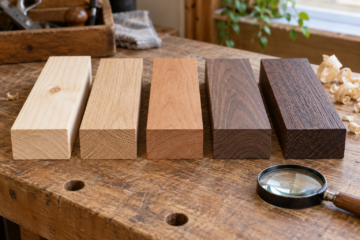
Oil-based polyurethane is a strong choice for oak, pine, and other woods where a richer honey-colored appearance is desirable. It adds noticeable warmth to pale wood and can make red oak look deeper and more traditional. If you are matching older floors or existing oil-finished trim, this color shift may be an advantage rather than a problem.
It also gives you more time to spread the finish before it starts to set. That makes it easier to coat a full tread without creating a visible dry edge. A natural-bristle brush or a finish-rated synthetic brush works well. Use oil-based polyurethane floor finish rather than a thin furniture finish when the stairs will receive heavy daily use.
The drawbacks are significant in an occupied home. The odor can linger for several days, and the finish may need 24 hours or more before it is safe to recoat under cool or humid conditions. A tread can feel dry but still be soft underneath. Installing runner hardware, moving furniture, or allowing pets on the stairs too soon can leave dents and scratches.
When Water-Based Polyurethane Makes Sense
Water-based polyurethane is usually best when you want to preserve the natural color of maple, white oak, ash, or a light stain. It also makes a good choice when the staircase is part of a living space and you cannot keep the area closed for several days. Many products can be recoated in roughly 2 to 4 hours, allowing multiple coats in one day.
Do not confuse “dry” with “fully cured.” Light foot traffic may be acceptable after 24 hours, but give the finish about 3 days before normal use when possible. Full hardness commonly takes 1 to 2 weeks, depending on the product, temperature, humidity, and coat thickness. Follow the label over any general schedule.
Water-based finish flashes off quickly, so application technique matters. Work in manageable sections, keep a wet edge, and do not repeatedly brush an area after it begins to tack. A foam applicator, high-quality synthetic brush, or finish pad designed for waterborne coatings is safer than a rough roller that can leave bubbles. A water-based polyurethane floor finish is worth considering for stairs because floor products are generally formulated for more abrasion than basic craft or furniture coatings.
Preparing Wood Stair Treads
Preparation determines more of the final result than the brand of polyurethane. Sand bare wood through 100, 120, and 150 grit. Stop around 150 or 180 grit unless the finish manufacturer specifies otherwise; polishing the wood too smooth can reduce stain and finish penetration. Remove all dust with a vacuum and a clean, slightly damp microfiber cloth. Do not leave sanding dust in the corners where the tread meets the riser.
If the treads are already finished, identify whether the existing coating is sound. Clean off wax, grease, and polish, then scuff-sand with 150- or 180-grit abrasive until the surface is uniformly dull. Do not apply polyurethane over peeling finish, silicone contamination, or an unknown coating that has not been tested. Try the new finish in an inconspicuous spot first.
Stain must be completely dry before topcoating. Oil stain under water-based polyurethane may require 48 hours or more, especially in a cool room. Wipe stain thoroughly rather than leaving a wet film on the surface. On pine, birch, and other blotch-prone woods, use a compatible wood conditioner or choose a gel stain and test it on scrap.
Application and Stair Safety
Plan the work so you always have a safe route through the house. One approach is to finish every other tread, allowing access to the stairs, then complete the remaining treads after the first group has cured. Mark finished steps clearly and keep children and pets away. Never leave tools, masking tape, or loose extension cords where they can create a trip hazard.
Apply thin, even coats rather than one heavy coat. Heavy coats take longer to cure, sag on the tread edges, and can remain soft beneath the surface. Lightly sand between coats with 220- or 320-grit abrasive only after the finish has dried hard enough to powder rather than gum up. Vacuum carefully and wipe away the remaining dust before recoating.
A satin sheen is generally a better stair choice than gloss. Gloss shows scratches, dust, and uneven sanding more clearly, while satin still provides a clean appearance and is easier to maintain. Polyurethane itself is not a reliable anti-slip treatment. If slipping is a concern, use a compatible stair runner, tread covering, or a manufacturer-approved fine anti-slip additive. Test the appearance and cleaning behavior before treating the entire staircase.
Which Polyurethane Should You Buy?
Choose oil-based polyurethane if amber color, longer working time, and a traditional appearance matter more than fast turnaround. Choose water-based polyurethane if you want minimal color change, lower odor, and quicker recoating. The cheaper option is fine when the stairs have light traffic, the wood is already sealed, and you can apply the required coats carefully. Spend more for a floor-rated product when the treads are the main household route, the wood is soft, or repairs would be difficult after installation.
Before buying, check the label for interior floor use, recoat time, recommended number of coats, cure time, and compatibility with your stain. Those details matter more than a broad “professional” claim on the can. For a small project, also account for brushes, abrasives, masking materials, and adequate ventilation; the finish is only part of the total cost.
0 Comments