What's inside
As an Amazon Associate I earn from qualifying purchases. This post may contain affiliate links at no extra cost to you.
A good California olive oil should taste like something alive—grassy, peppery, faintly bitter at the finish—rather than the flat, waxy liquid that passes for “extra virgin” on a lot of supermarket shelves. The problem is that the label alone tells you almost nothing. A bottle can say extra virgin and still be six months past its prime, blended from imported oil, or produced under conditions that strip out the polyphenols that make olive oil worth buying in the first place.
We compared these eight bottles on published harvest data, acid levels where disclosed, packaging that protects the oil from light and heat, and the pattern of owner feedback across retail listings. The separation between a worthwhile California extra virgin and a mediocre one comes down to freshness, origin transparency, and whether the container does the job of shielding the oil after opening.
As an Amazon Associate we earn from qualifying purchases at no extra cost to you.




Our Top Picks
Quick Picks
| Product | Best for | Price |
|---|---|---|
| California Olive Ranch, California Collection (500 mL) | Small household trying a premium range | n/a |
| California Extra Virgin Olive Ranch Oil 33.8 oz, 2 Pack | Cooking-in-bulk buyers | $53 |
| California Olive Ranch Bag-in-Box 2L | Heavy daily use, longest shelf life after opening | $54.99 |
| California Olive Ranch Everyday 25.4 oz | First bottle, general kitchen use | n/a |
| 365 by Whole Foods Unfiltered 33.8 Fl Oz | Best value per ounce among clear options | $18.98 |
| La Tourangelle California Extra Virgin 25.4 fl oz | Cold-pressed purists who want a tin | $19.99 |
| California Olive Ranch, California Collection (750 mL) | Gift-giving or larger format at premium tier | n/a |
| Atlas Organic Extra Virgin 1 L | Polyphenol seekers open to non-California | $27.94 |
How We Picked
For California olive oil specifically, we focused on four criteria. First, origin clarity: does the label confirm the olives were grown and pressed in California, and does the brand publish harvest windows? Second, packaging integrity: dark glass, tin, or bag-in-box that limits oxygen and UV exposure. Third, price per ounce relative to what comparable single-origin oils charge. Fourth, consistency of owner feedback on flavor and freshness across retail listings—bottles that earn repeated complaints about rancidity or off-notes get flagged regardless of brand prestige.
The 8 Best California Olive Oil in 2026
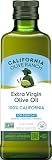
California Olive Ranch, California Collection, 500 mL
This small-format entry in the California Collection line suits someone who wants to sample the ranch’s premium tier without committing to a large bottle that might sit too long. The 500 mL size keeps the oil in active rotation, which matters for flavor retention. Owner feedback highlights a clean, peppery finish and reliable freshness across batches. The collection label signals a tighter harvest window than the Everyday line, and the glass bottle is dark enough for typical pantry storage. The main drawback is that it carries a premium price per ounce with no listed retail price at the time of writing, making direct value comparison difficult. Skip this if your household goes through oil slowly or you already trust the Everyday bottle and want maximum volume per dollar.
California Extra Virgin Olive Ranch Oil 33.8 oz, 2 Pack by Qualitatt
The 2-pack format brings the per-ounce cost down meaningfully for households that cook with olive oil daily. Qualitatt lists it at $53, and splitting that across 67.6 total ounces gives you a rate that undercuts most single-bottle premium oils. Each 33.8 oz bottle is dark glass, and the California origin is stated on the label. Reviewers note a consistent fruit-forward profile with mild bitterness that works across roasting, sautéing, and finishing. The con is that the brand name “Qualitatt” is less recognizable than California Olive Ranch’s own label, and some buyers report uncertainty about the exact harvest date since it is not prominently displayed. Skip if you want full traceability to a specific ranch lot.
California Olive Ranch, 100% California Bag-in-Box 2L
At $54.99 for two liters, this is the strongest value play in the lineup for anyone who goes through oil fast enough to finish a 2L box before quality degrades. The bag-in-box design is the real selling point: oil stays protected from oxygen until dispensed, meaning the last drop tastes closer to the first than in any glass bottle. California Olive Ranch is one of the few domestic producers that publishes harvest data and acid levels, which adds transparency. The downside is the format’s bulk—you need counter space or a dedicated storage spot, and the plastic bag inside cannot be recycled curbside. Skip if you use olive oil sparingly or prefer a pour-from-bottle workflow.
California Olive Ranch Everyday Extra Virgin, 25.4 oz
The Everyday bottle is the default California olive oil for most people who have never thought hard about it. It delivers a balanced, mild fruit profile that works as a general-purpose cooking oil without overwhelming delicate dishes. No price is listed here, but at most retailers it sits in the mid-range below the Collection line. Owner feedback is consistently positive for its approachability and reliability batch to batch. The limitation is that “Everyday” is the ranch’s entry tier, meaning the harvest window is broader and the polyphenol content lower than their single-estate releases. Skip this if you are buying specifically for raw finishing where you want a sharper, more complex oil on the spoon.
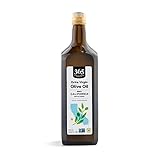
365 by Whole Foods Market, Unfiltered Extra Virgin California Olive Oil, 33.8 Fl Oz
Priced at $18.98 for 33.8 ounces, this is the lowest per-ounce cost among the California-origin options in the lineup. The “unfiltered” label means you will see sediment and a cloudier color, which some owners associate with a more rustic, grassy flavor. Whole Foods’ private-label sourcing has improved noticeably, and California origin is stated clearly. For everyday roasting and salad dressing it performs without complaint. The trade-off is that unfiltered oils have a shorter functional shelf life once opened, and the dark glass bottle still exposes a large surface area of oil to air over weeks of use. Skip if you want maximum freshness over a two-month period or prefer a clear, polished pour.
La Tourangelle California Extra Virgin Olive Oil, Cold-Pressed, 25.4 fl oz
La Tourangelle has built a loyal following for its tin packaging, and this 25.4 fl oz bottle at $19.99 is no exception. The tin blocks 100% of light, which is the single biggest enemy of olive oil flavor over time. “Cold-pressed” on the label signals that mechanical extraction kept temperatures low, preserving delicate aromatics. Reviewers describe a green, artichoke-like nose with a clean peppery finish. The one recurring complaint is the pour: a tin mouth on a 25-ounce format can drip and splatter more than a designed glass spout. Skip if you dislike managing a tin’s pour or if you prefer a bottle that looks presentable on a countertop.
California Olive Ranch, California Collection, 750 mL
The 750 mL format of the California Collection sits in a sweet spot between the 500 mL sample and larger cooking bottles. At this size you get enough oil to notice its finishing qualities across a week or two of use without the bottle lingering long enough to degrade. The Collection line is positioned as the ranch’s expression of distinct grove parcels, and owner feedback often notes a more complex, herbaceous profile compared to the Everyday tier. The absence of a listed price here makes it harder to justify versus the more affordable 2-pack or bag-in-box options. Skip if your priority is volume or budget per ounce rather than tasting nuance.
Atlas Organic Extra Virgin Olive Oil, Moroccan, High Polyphenol, 1 L
Atlas is not a California olive oil—it is a Moroccan product included here because it competes directly with the California bottles for the same buyer at a similar price point ($27.94 for a liter). Its “High Polyphenol” claim is verifiable and the organic certification covers the full production chain. Owners praise a robust, spicy finish that justifies the polyphenol marketing. The limitation is obvious: if your priority is supporting California agriculture or matching a specific regional flavor profile, this does not deliver that. Skip if California origin is a firm requirement rather than a preference.
Buying Guide
Harvest Date and Freshness Window
Olive oil is a fruit juice with a clock on it. Look for a harvest date—not a “best by” date—printed on the label. California’s harvest typically runs October through January, so a bottle harvested in November is at peak in spring and still functional through early autumn. Once you open any bottle, aim to finish it within 6 to 8 weeks for raw or finishing uses, even if the printed date extends longer.
Packaging That Protects the Oil
Light and heat degrade olive oil faster than oxygen in the short term. Dark glass, opaque tins, and bag-in-box are the three formats that genuinely shield contents. Clear or green-tinted glass bottles on a lit shelf for months are a red flag regardless of what the label claims. If you buy a large format, store it in a cool, dark cabinet away from the stove.
Price Per Ounce as a Reality Check
Divide the listed price by total fluid ounces. Domestic California extra virgin with transparent sourcing rarely falls below roughly $0.50 per ounce—bottles cheaper than that are often old stock or blended. On the high end, premium single-parcel oils exceed $1.00 per ounce. The sweet spot for quality without overpaying lands between $0.55 and $0.80 per ounce, which several options in this roundup hit.
Our Verdict
Our top pick is the California Olive Ranch Bag-in-Box at $54.99 for two liters—it combines transparent domestic sourcing, the best post-opening preservation in the group, and a per-ounce cost that competes with mid-tier glass bottles. The budget pick is 365 by Whole Foods at $18.98 for 33.8 ounces, which delivers legitimate California extra virgin at the lowest entry price. However, if your household opens a bottle and uses it over six or more weeks, the La Tourangelle tin at $19.99 wins on light protection alone and keeps flavor intact longer than any dark glass in this comparison.
FAQ
How do I know a California olive oil is actually from California?
Look for “Product of California” or a specific county of origin on the label. Reputable producers like California Olive Ranch publish harvest dates and grove locations on their websites. If the label only says “packed in California” or “imported olives,” the oil was likely pressed elsewhere and simply bottled domestically.
Does unfiltered California olive oil taste different from filtered?
Unfiltered oils retain small particles of olive flesh, which contribute a grassier, more complex raw flavor but shorten shelf life once opened. Filtered oils are clearer and last longer in the bottle while losing some of those aromatic nuances. The difference is most noticeable in finishing applications like drizzling over bread or salad.
What does “cold-pressed” actually mean on a California olive oil label?
It means the olives were pressed mechanically at temperatures low enough to avoid degrading heat-sensitive compounds, typically below 80 degrees Fahrenheit. Cold-pressing is a quality indicator because higher temperatures extract more oil at the expense of flavor and polyphenol content. Most genuine California extra virgin producers cold-press as standard practice.
Is it worth paying more for a bag-in-box format?
If you use olive oil daily and go through a 2-liter container within two to three months, yes—the oxygen-free dispensing keeps the oil tasting closer to first-pour than any equivalent glass bottle. If you use oil infrequently, the bag-in-box advantage disappears because the plastic liner inside still has a finite shelf life even unopened, roughly 12 to 15 months from fill date.




0 Comments