What's inside
As an Amazon Associate I earn from qualifying purchases. This post may contain affiliate links at no extra cost to you.
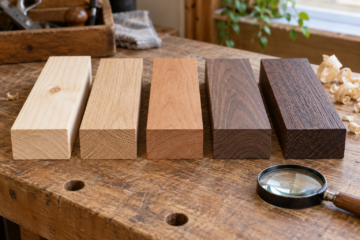
A pale white-oil finish does not make every wood look the same. On a light, close-grained board, it can leave a quiet, nearly natural surface. On red oak, pine or dark walnut, the grain and color still show through; the oil may even emphasize them. Choose the species for the look you want, then test the exact finish on an offcut before buying lumber for a visible project.
As an Amazon Associate we earn from qualifying purchases at no extra cost to you.

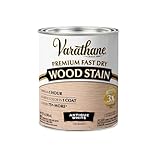

Our Top Picks
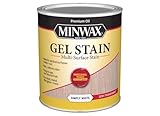
 Minwax Semi-Transparent Simply White Oil-Based Gel Stain 1One Size4.3 x 4.3 x 4.9 inches0.01 PoundsCheck on Amazon


What a white oil finish actually does
“White oil” can mean a hardwax oil with white pigment, a white-tinted oil, or a clear oil designed to resist yellowing. These products are not interchangeable. A pigmented product leaves a thin white cast that can mute warm tones and settle in pores. A clear, non-yellowing oil adds little or no white color; it simply avoids some of the ambering associated with conventional oils. Check the product label and sample before settling on a wood species.
White pigment is easy to overapply. Too much can make the surface chalky, especially in open grain or corners. Follow the maker’s spread and wipe-off instructions; many oils need excess product removed after a short dwell rather than left to dry as a thick film. If you want a more visibly white surface, a water-based white stain or a whitewash may be a better category to compare with a tinted oil.
Best species for a pale, restrained result
White oak is a strong all-around choice. Its pale brown base, prominent grain and open pores take white pigment well. The result usually reads as lightened oak rather than painted white. Quarter-sawn boards show straight, orderly grain; plain-sawn boards have more cathedral patterns. Pore fill may look brighter than the surrounding wood, so test both cuts if that contrast matters.
Hard maple has a naturally light color and fine, tight grain. It suits a smooth, quiet finish where you do not want strong pore contrast. Its low porosity also means a white oil may sit more on the surface and look less dramatically different than it does on oak. Maple can show sanding scratches and uneven absorption, so sand consistently and inspect under raking light.
Birch is a practical, often less expensive option for pale furniture and cabinetry. It is light with a subtle grain, but color and absorption can vary across a board. A white-tinted oil may highlight those differences rather than hide them. Buy enough stock from the same batch and test a representative offcut.
Ash has an open, visible grain like oak and a lighter starting color. It can produce a bright, strongly grained finish, though boards may vary in tone. It is worth considering when you want pronounced grain without the warmer look of some oak.
How the main options compare
| Species | Typical look with white oil | Main risk | Best fit |
|---|---|---|---|
| White oak | Pale, defined grain; white pigment shows in pores | Strong pore contrast can look patchy if overapplied | Furniture, floors and visible grain |
| Hard maple | Light, smooth and understated | Scratches or uneven sanding show easily | Clean, fine-grained surfaces |
| Birch | Light with modest grain | Color variation and uneven uptake | Budget-conscious cabinets and furniture |
| Ash | Bright with prominent grain | Board-to-board color variation | High-contrast grain at a lighter tone |
| Red oak | Grain stays bold; wood can read pink or warm | White oil does not reliably neutralize its red cast | Existing red-oak projects or a deliberately warm result |
Species to approach carefully
Red oak is not a substitute for white oak when the goal is a cool, pale finish. Its pink and reddish undertones often remain visible beneath white pigment, while its open pores can turn conspicuously white. A sample may still look good, but do not expect a white oil alone to make red oak resemble white oak.
Pine is inexpensive and can look pleasantly light, but it is soft and prone to blotching. Earlywood and latewood absorb finishes differently, and knots can darken or bleed. A white oil may reduce some yellow appearance without making the color uniform. If the project is small or rustic, pine can be fine; for a large, consistent surface, sample several boards first.
Walnut can take white pigment in its pores, but its dark brown ground color remains dark. Choose it for contrast, not for a pale overall result.
Preparation and sampling that prevent surprises
Sand to the finish maker’s stated grit. If no grit is specified, 120–150 grit is a sensible starting range for many penetrating oils; sanding much finer can reduce uptake, especially on dense maple. Do not skip grits, and remove dust thoroughly. On oak, sanding scratches may be less obvious before pigment makes them stand out. Check the surface with a bright light held low across the grain.
Make test panels from the same species, cut and sanding schedule as the project. Apply the oil exactly as directed, including the stated coat count and cure time. Compare the panel in daylight and indoor light, and wait for it to cure before judging color. Fresh oil often looks different from a dry sample. If you are choosing between white oak and maple, testing both is more useful than relying on a sample card.
For the finish itself, compare a white-pigmented hardwax oil with a clear non-yellowing wood oil if you are unsure whether you want visible white pigment or simply less ambering. For pine or birch, a wood conditioner intended for blotch-prone softwoods may help, but test it with the chosen oil; it can also change how the finish absorbs.
What to buy for the result you want
For pale wood with defined grain, start with white oak; for a smoother, quieter surface, choose maple. Birch can save money if you can select consistent boards, while ash offers a lighter, more open grain. If the wood is already purchased, test it rather than assuming pigment will erase its natural color. The cheaper species is fine when its natural variation suits the project; it is a poor bargain if you need a uniform, cool-white finish and spend time trying to disguise the wrong undertone.
0 Comments