What's inside
As an Amazon Associate I earn from qualifying purchases. This post may contain affiliate links at no extra cost to you.
Paste wax and clear coat can both make finished wood look richer and shed light spills, but they are not interchangeable. Wax is a thin, renewable surface treatment; clear coat is a film-forming finish such as polyurethane, lacquer, or water-based acrylic. The right choice depends on what is already on the wood, how much wear it gets, and whether you want a surface you can refresh easily or one that needs less frequent attention.
As an Amazon Associate we earn from qualifying purchases at no extra cost to you.



Our Top Picks
- Minwax Fast Drying Polyurethane Protective Wood FinishQuart4.1 x 4.1 x 5.1 inches1 PoundsCheck on Amazon
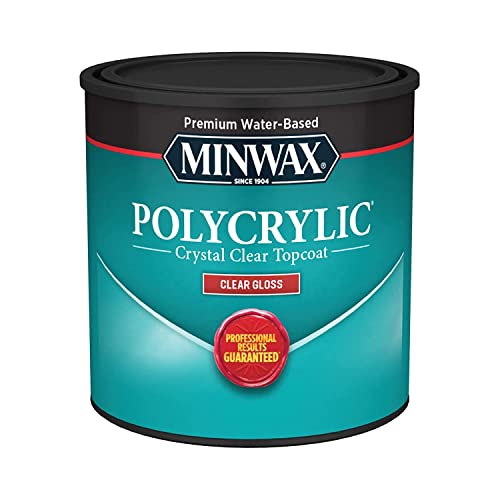
- Minwax 1/2 pt 25555 Clear Polycrylic Water-Based Protective8 fl oz2.9 x 2.9 x 3 inches0.65 poundsCheck on Amazon
Identify the existing finish first
Before buying anything, work out whether the wood has bare timber, a penetrating oil, or a film finish. Look at an inconspicuous edge or underside. A continuous, slightly raised film is usually a clear coat; visible pores and a less uniform sheen may indicate oil or wax. These clues are not definitive, especially on old furniture. If you do not know what is there, test your proposed treatment on a hidden spot and let it sit for several days.
Do not put wax over a surface you may want to coat later. Wax can interfere with adhesion, causing fisheyes, crawling, or patches that peel. Removing it thoroughly can require repeated cleaning and sanding. Likewise, do not assume a new clear coat will bond to wax or to a polish containing silicone. If a durable film is the goal, clean the surface and confirm it is free of wax before coating.
Compare the trade-offs
| Factor | Paste wax | Clear coat |
|---|---|---|
| Protection | Light protection from dust and brief contact with moisture; not a reliable barrier against standing water, alcohol, or heat. | Better resistance to abrasion, spills, and everyday handling, depending on the coating and how well it is applied. |
| Appearance | Soft sheen and a smooth feel; can deepen color slightly and highlight scratches. | Available in gloss levels from flat to gloss; may look thicker and can change the wood’s color. |
| Application | Wipe on thinly, allow it to haze, then buff. Quick on a small piece, but the buffing takes effort. | Requires careful surface preparation and controlled application. Usually needs multiple coats and drying time. |
| Maintenance | Needs periodic rebuffing or reapplication. Wax can collect grime and fingerprints. | Usually needs less frequent attention, but damage may call for sanding and recoating. |
| Future refinishing | Easy to refresh, but wax must be removed before applying a film finish. | Can be recoated if compatible and sound; deep damage may require stripping or sanding back. |
When paste wax makes sense
Choose wax for a low-wear piece when the existing finish is sound and you want a subtle sheen without building another film. It is a reasonable, inexpensive option for decorative furniture, picture frames, or a cabinet that rarely gets touched. A can of paste wax for wood can cover many small projects; use very little at a time.
Apply it to a clean, dry surface in a thin coat with a soft cloth. Let it haze according to the label, then buff with a clean cloth. Thick application does not add meaningful protection. It leaves a smeary, sticky surface that attracts dust and takes longer to buff. Keep wax away from tabletops used for meals, workshop benches, floors, and other surfaces exposed to frequent spills or friction.
Wax is not a substitute for fixing a damaged finish. It may disguise fine scuffs temporarily, but it will not repair a white water ring, a deep scratch, or a peeling coating. Some waxes contain colorants, so test first on pale or blotchy wood.
When clear coat is worth it
For dining tables, desks, shelves that are regularly handled, and other working surfaces, a clear coat is usually the more practical purchase. A water-based polyurethane is a common choice when you want a durable coating with relatively little yellowing. Oil-based polyurethane typically adds a warmer, amber cast and has a stronger odor and longer drying time. Neither is automatically best: check the product label for use, sheen, and recoat schedule.
Clear coats protect only as well as their preparation and application. Remove grease, polish, and wax; sand as directed by the coating maker, often around 180–220 grit for bare wood; and remove dust before coating. On an existing film finish, a light scuff with the specified fine abrasive may be enough if the old finish is clean, sound, and compatible. Do not sand through veneer or into stain. Apply thin, even coats and respect the stated recoat and cure times. A finish can feel dry in hours yet remain vulnerable to heavy use for days or longer.
Common failures include dust nibs, brush marks, bubbles, and poor adhesion. Heavy coats increase runs and slow curing. If a test patch wrinkles, beads up, or stays tacky, stop rather than coating the whole piece; the surface may be contaminated or the products incompatible. Follow the label’s ventilation and fire-safety instructions, especially with oil-based finishes and solvent-soaked rags.
Choose for the job, not just the sheen
Use wax when the piece is already finished, sees little wear, and easy touch-ups matter more than spill resistance. Use a clear coat when the surface is used often enough that repeated waxing would be a nuisance. If you are unsure, compare the maintenance cost over time, not just the price of the container: wax is cheap to apply but needs renewal, while clear coat takes more preparation and can be harder to repair.
For a piece with an unknown finish, do not layer products blindly. Clean a hidden area, test the wax or coating there, and inspect it after it has dried and been handled. If the existing finish is flaking, deeply scratched, or greasy, repair or remove it first. Neither wax nor a new topcoat will make a failing surface sound.
0 Comments