What's inside
As an Amazon Associate I earn from qualifying purchases. This post may contain affiliate links at no extra cost to you.
Our Top Picks
 1/2 pt Minwax 13407 Clear Pre-Stain Wood Conditioner1/2 Pint3 x 3.25 x 3 inches0 PoundsCheck on Amazon
 Minwax 233334444 Polycrylic Protective Wood Finish8 fl oz2.9 x 2.9 x 3 inches0.66 poundsCheck on Amazon


Choosing the Right Wood for a Stained Handrail
For a handrail that feels smooth and takes stain evenly, hard maple is usually the best choice. It has a fine, closed grain, resists dents, and can be sanded to a very slick surface. The trade-off is that maple does not always absorb stain evenly. Dark colors can look cloudy or blotchy unless you prepare the surface carefully.
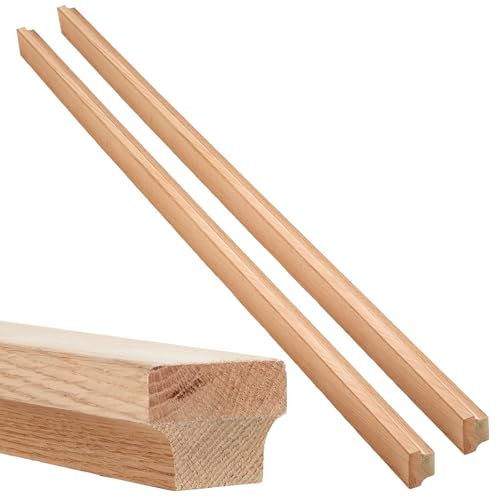
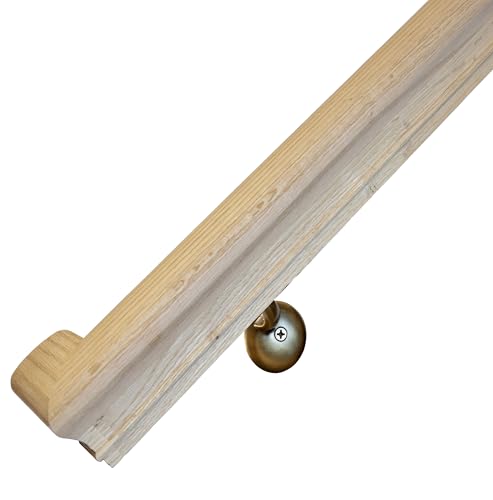
Red oak is the easier, cheaper choice when you want a traditional stained handrail. Its open grain absorbs stain readily and produces a predictable color. It does not feel quite as naturally smooth as maple because the pores remain visible, but thorough sanding and a film finish can make it comfortable to the touch. White oak is similar, with a slightly more refined appearance and better resistance to moisture, but it often costs more.
As an Amazon Associate we earn from qualifying purchases at no extra cost to you.


For most indoor stair rails, choose a clear, straight-grained hardwood rather than a softwood such as pine, fir, or spruce. Softwoods are inexpensive and easy to find, but they dent under normal use and commonly develop dark and light patches with stain. A softwood handrail can work in a low-traffic project, but it is not the best material when a smooth, furniture-like feel is the priority.
How Common Handrail Woods Compare
| Wood | Stain behavior | Feel after finishing | Best use |
|---|---|---|---|
| Hard maple | Can blotch, especially with dark stain | Very smooth and fine-grained | Premium indoor handrails |
| Red oak | Easy and even; shows strong grain | Smooth, with noticeable pores | Value projects and traditional interiors |
| White oak | Even, with less red than red oak | Smooth and durable | Higher-end rails and modern interiors |
| Ash | Accepts stain well and resembles oak | Hard, open-grained, and tactile | Lower-cost oak-like appearance |
| Pine | Frequently blotchy and uneven | Soft; dents easily | Budget or temporary indoor work |
Pick the Wood by the Look You Want
Choose hard maple if your idea of smooth means a nearly pore-free surface. It works especially well with clear finishes, light brown stains, and painted sections. If you want a dark walnut or espresso color, maple requires more testing. Apply the stain to an offcut from the same board, because two maple rails can absorb color differently.
Choose red oak if you want visible grain and a reliable staining process. A penetrating stain will emphasize the pores, while a gel stain will sit more on the surface and reduce some of the contrast. White oak is a better match for gray, natural, or medium-brown colors when you want less of the reddish cast found in red oak.
Ash is often overlooked. It has a pronounced grain similar to oak, is hard enough for a busy stairway, and can cost less than white oak. It is not the choice for a pore-free feel, but it sands and finishes well. Before buying, inspect the rail for loose knots, short grain, and filled defects. These areas can feel rough even after several coats of finish.
Sanding the Handrail for a Smooth Feel
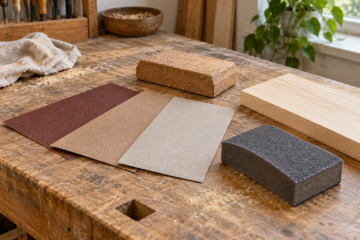
Start by removing mill marks with 100- or 120-grit abrasive, then progress through 150 and 180 grit. For maple, stopping at 180 grit is usually sufficient. Sanding much finer before staining can partially burnish the surface and make it accept less color. On oak and ash, 180 grit leaves enough texture for stain to penetrate while still producing a comfortable handrail.
Use a sanding block or a firm foam-backed abrasive on flat areas, and sand with the grain. Do not round over the edges aggressively; a small eased edge is comfortable, but a heavily rounded profile can look uneven and may not match the brackets or returns. Vacuum the rail, then wipe it with a clean, slightly damp cloth or a manufacturer-approved dusting method. Allow the wood to dry fully before applying stain.
Do not judge smoothness by sight alone. Run a clean cloth over the rail. If it catches, there is likely a raised fiber, torn grain, or small finish defect that your hand will notice later.
Preventing Blotchy Stain
Maple, pine, cherry, and other uneven-absorbing woods benefit from a pre-stain conditioner or a washcoat. A conditioner can reduce dark patches, but it may also make the final color lighter. Test the complete process—sanding, conditioner, stain, and finish—on scrap from the same handrail blank.
For a predictable result, consider a gel stain. It stays closer to the surface than a thin penetrating stain and is easier to control on maple or pine. Apply a thin coat with a lint-free cloth or brush, keep a wet edge, and wipe off the excess according to the product directions. Heavy stain left in corners can remain soft or wrinkle under the topcoat.
These wood pre-stain conditioners are useful when working with maple or pine, but they are not a substitute for a test board. A test is especially important when matching existing stair treads or flooring.
Use a Durable Topcoat
Stain provides color, not meaningful protection. For an interior handrail, use a clear water-based polyurethane if you want low odor, quick recoating, and minimal ambering. Oil-based polyurethane generally gives oak and walnut-toned stains a warmer appearance and builds a slightly richer film, but it dries more slowly and can yellow over time.
Apply at least three thin coats to the gripping surfaces, lightly sanding between coats with 320-grit abrasive when the label permits. Remove all sanding dust before recoating. A thick coat is more likely to sag on the underside and around mounting returns; several thin coats are easier to control.
For a handrail, satin or semi-gloss is usually more practical than gloss. Satin hides small scratches and feels less slippery. If the final coat feels rough, let it cure fully, then rub it lightly with a fine synthetic finishing pad. Do not use the rail until the finish has cured according to the label, even if it feels dry.
These satin water-based polyurethane finishes are a good default for a clean, non-yellowing indoor rail. For a warmer traditional appearance, compare them with satin oil-based polyurethane on the same sample board.
When the Cheaper Option Is Fine
Red oak is the sensible buy for most stained handrails. It is widely available, reasonably priced, hard enough for daily use, and forgiving during finishing. Choose pine only when cost, paintability, or a temporary installation matters more than dent resistance and an even stained appearance. If you do use pine, select clear, vertical-grain stock, sand carefully, apply conditioner, and expect some variation.
For the best combination of smooth feel, durability, and stain control, buy a straight-grained hard maple rail and use a tested gel stain or light penetrating stain under a satin clear coat. For the best value and easiest staining, buy red oak and spend the savings on careful sanding and a quality topcoat.
0 Comments