What's inside
As an Amazon Associate I earn from qualifying purchases. This post may contain affiliate links at no extra cost to you.
Sun exposure changes the right stain choice. A south- or west-facing deck can fade and dry out much faster than a shaded fence, and no stain stops weathering altogether. Compare products by the protection they offer, how they look on your wood, and how often you are willing to maintain them—not by a “years of protection” claim alone.
As an Amazon Associate we earn from qualifying purchases at no extra cost to you.

Our Top Picks
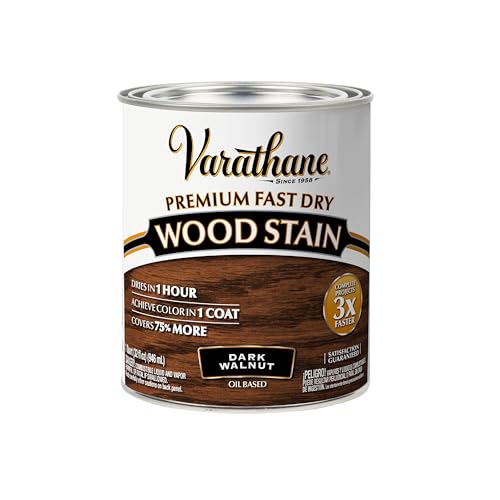
 SaverSystems #1 Deck Premium Semi-Transparent Outdoor Wood Stain1 Gallon7 x 3 x 12 inchesCheck on Amazon
Start with the exposure
Note which parts of the project get direct sun and for how many hours. South- and west-facing surfaces usually take the hardest UV load; horizontal boards also hold rain and heat differently from vertical siding or a fence. Nearby pavement or walls can reflect additional heat. One structure may need different maintenance schedules on different sides.
UV light breaks down wood lignin, the material that helps hold its surface fibers together. The result is fading and, eventually, a gray, rough surface. Heat and moisture cycling can also make boards shrink, swell, and check. Stain slows these changes but does not prevent them, especially on exposed horizontal surfaces.
Compare stain types
Color and opacity are useful clues to expected appearance and upkeep. In general, more pigment provides better UV screening, but the stain’s formulation, wood, application, and exposure all matter. A transparent stain preserves more grain but usually needs attention sooner.
| Stain type | Appearance and UV trade-off | Typical maintenance issue |
|---|---|---|
| Clear | Shows natural wood color and grain; offers the least pigment-based UV protection. | Can fade or weather quickly in direct sun; frequent recoating may be needed. |
| Transparent or lightly tinted | Retains strong grain visibility while adding some pigment. | Often a practical choice for shaded areas, but may not hold color on a sun-baked deck. |
| Semi-transparent | Adds noticeable color while keeping grain visible; usually a useful balance of appearance and UV screening. | May fade unevenly where sun and traffic are concentrated. |
| Semi-solid or solid | More opaque color hides more of the wood and generally provides stronger pigment coverage. | Can peel or wear visibly if the coating builds up, adhesion is poor, or prep is inadequate. |
These categories are not perfectly standardized across brands. Read the label for exterior use, intended surfaces, and maintenance directions. For a heavily exposed deck, compare exterior semi-transparent deck stains rather than assuming a clear water repellent will provide equivalent UV protection. A less expensive clear treatment can still be reasonable for a shaded fence or when keeping the wood’s natural look matters more than extending the recoating interval.
Match the stain to the wood
Wood species affect both color and penetration. Cedar and redwood can take stain unevenly because of differences in density and natural extractives. Pressure-treated pine may be wet when purchased, so stain applied before it dries can bead, cure poorly, or fail early. On new boards, check the product directions and test whether water is readily absorbed; if it beads, wait and retest rather than coating on a calendar alone.
Make a test patch on an inconspicuous board, ideally one that gets similar sun. Apply the stain at the label’s stated coverage and number of coats, then judge it after it dries. The wet color can be misleading, and the same stain may look darker on a rough surface or a denser board. Do not compare products using different coat counts or application methods.
Check the label and finish
Compare products that allow use on your specific surface—decking, siding, railings, or fences—and note whether they are oil-based or water-based. Either type can work outdoors. More important are surface compatibility, application limits, drying conditions, cleanup, and instructions for future recoating. Water-based products may clean up with soap and water; oil-based products usually require solvent cleanup. That convenience difference does not by itself predict service life.
Look for clear directions on coverage, temperature, dry time, and recoat timing. A label might specify a range such as 150 to 300 square feet per gallon, depending on surface texture and porosity. Rough or weathered boards can use more. Applying too much is a common failure: excess stain may stay tacky, wrinkle, or form a weak surface film. Follow the stated spread rate rather than trying to make a second coat look richer.
UV inhibitors and mildewcides can be useful, but neither makes a coating permanent. A mildewcide addresses mildew growth, not sun fading, and UV claims are hard to compare without equivalent exposure testing. Treat any stated service-life estimate as conditional on climate, surface, prep, and maintenance.
Prepare before staining
Remove dirt, mildew, loose fibers, and failing finish before application. Use a cleaner suitable for the wood and rinse as directed. If pressure washing, use a conservative setting and keep the nozzle moving; an aggressive stream can fur the grain or leave wand marks that show after staining. Let the wood dry for the period specified by the stain maker.
Sand rough areas with 80- to 120-grit paper when the product directions call for it. Very fine sanding can burnish some woods and reduce absorption. Brush away dust, then test the stain again. For old coatings, confirm compatibility before recoating; a transparent stain over peeling solid stain will not hide the failure. Stripping or switching to a compatible solid-color product may be necessary.
Choose by maintenance plan
If you want visible grain and are willing to inspect the surface regularly, a semi-transparent product is often a sensible starting point for sun-exposed wood. If longer intervals between full refinishing matter more than showing grain, compare semi-solid or solid stains, while accepting that future peeling or worn traffic lanes can be more visible. For a fence in partial shade, a budget-friendly transparent option may be adequate if you accept more frequent checks and recoating.
After application, inspect the sunniest boards at least once a year. Watch for fading, water soaking in instead of beading, rough fibers, or bare patches. Recoat when the product directions and surface condition indicate—not simply because a fixed number of years has passed. If the coating is failing only on the exposed side, maintain that side as needed rather than stripping sound, shaded surfaces unnecessarily.
0 Comments