What's inside
As an Amazon Associate I earn from qualifying purchases. This post may contain affiliate links at no extra cost to you.
Our Top Picks


What “Low Sheen” Means Outdoors
A low-sheen exterior stain has little surface gloss—usually a flat or satin appearance—while allowing some of the wood grain to remain visible. The best results usually come from a penetrating, oil-based or water-based semi-transparent stain rather than a film-forming paint or high-gloss coating.
Sheen is only part of the decision. The wood species controls how evenly the stain absorbs, how much color variation shows through, and how often the finish needs maintenance. A soft, porous species can look rich and natural but may absorb unevenly. A dense species may resist penetration and leave stain sitting on the surface, where it can peel.
As an Amazon Associate we earn from qualifying purchases at no extra cost to you.


For most siding, fences, decks, and outdoor furniture, choose a stain labeled for exterior use and rated as flat, low-luster, or satin. If you want a natural-looking surface with fewer peeling problems, a penetrating stain is generally safer than a heavy film finish.
Best Wood Species at a Glance
| Wood species | Low-sheen stain performance | Main advantage | Main drawback |
|---|---|---|---|
| Cedar | Excellent, but needs careful prep | Good absorption and strong natural decay resistance | Can bleed tannins and turn unevenly gray |
| Redwood | Excellent with a compatible stain | Rich grain and natural outdoor durability | Extractives can interfere with adhesion and color |
| Pressure-treated pine | Good after adequate drying | Low cost and widely available | Often blotchy, wet, or heavily checked |
| Douglas fir | Good, especially on vertical surfaces | Strong, affordable, and readily available | Latewood bands absorb less stain than earlywood |
| White oak | Good with a penetrating stain | Distinct grain and good resistance to moisture | More expensive and can weather unevenly |
| Ipe and other tropical hardwoods | Fair to difficult | Exceptional durability | Very dense; many stains do not penetrate well |
Cedar and Redwood: The Easiest Natural Choices
Western red cedar is one of the best choices for a low-sheen exterior finish. It is relatively porous, accepts penetrating stain well, and has good natural resistance to decay. A translucent brown, cedar, or gray stain can even out the color without hiding the grain.
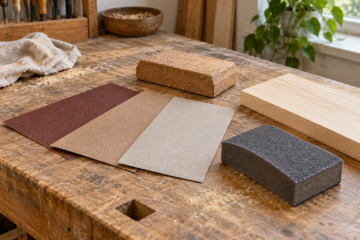
The failure mode is tannin bleed. Cedar can produce brown or reddish discoloration, especially under light-colored water-based stains. New cedar can also have mill glaze: compressed fibers from planing that repel stain. Sand fresh boards lightly with 80- or 100-grit paper, then finish with 120 grit if needed. Do not polish the surface with very fine paper; excessive sanding closes the pores.
Redwood behaves similarly, but its natural extractives can be more troublesome. Use a stain specifically tested for redwood, and make a sample board before coating the project. On both species, back-brush the stain and wipe or redistribute puddles. Heavy application does not improve durability; it often creates shiny patches and premature peeling.
Pressure-Treated Pine and Douglas Fir
Pressure-treated pine is usually the budget choice, and it is perfectly reasonable for fences, utility decks, and less prominent outdoor structures. The important variable is moisture, not just the species. Freshly treated lumber may be too wet to stain. Wait until the wood is dry enough that it accepts stain rather than leaving it beaded on the surface. Depending on weather and board thickness, that can mean several weeks or longer.
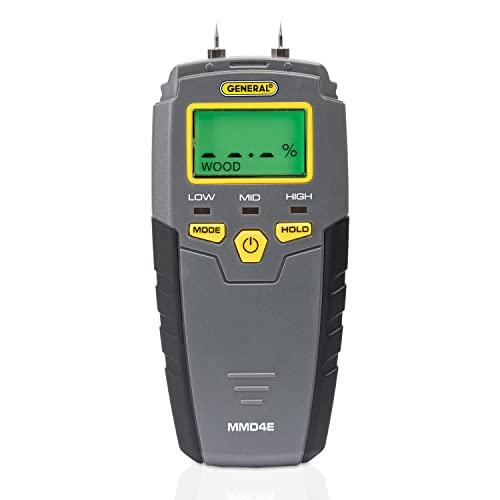
A simple test is to sprinkle water on several areas. If it soaks in within roughly 5 to 10 minutes, the surface may be ready; if it remains beaded, wait and retest. Follow the stain manufacturer’s moisture limit when one is provided. A wood moisture meter is useful when the project is large or the lumber has been stored in uncertain conditions.
Pressure-treated pine often stains unevenly because the grain and treatment solution are inconsistent. A low-sheen, semi-transparent stain hides some variation, while a clear finish highlights it. For a fence, the cheaper stain is often fine if you accept a shorter maintenance cycle and apply a fresh coat before the old one fails.
Douglas fir is stronger and often more uniform than construction pine. It works well for siding, trim, and covered outdoor structures. Its hard latewood bands absorb less stain than the softer earlywood, producing stripes if the surface is rough or the stain is applied too heavily. A penetrating stain with a moderate amount of pigment usually gives the most even result.
Oak and Dense Hardwoods
White oak has an open, attractive grain and can look excellent under a low-sheen brown or natural stain. It is a better candidate than red oak for exposed outdoor work because white oak is more resistant to moisture movement. Even so, oak is not maintenance-free. End grain absorbs water quickly, and unsealed end cuts can crack or darken.
Ipe, cumaru, mahogany, and similar tropical hardwoods are durable but more difficult to stain. Their dense surfaces absorb little product, and natural oils can prevent adhesion. If you want the wood to remain brown, use a finish made for tropical hardwoods, clean the surface carefully, and apply only a thin coat. A tropical hardwood deck stain is a better starting point than a general-purpose fence stain.
For these woods, a low-sheen penetrating oil may require annual or near-annual maintenance in full sun. If you prefer less work, allowing the wood to weather gray can be the more practical choice. Do not use a thick coating simply to extend the interval; on dense hardwood, that commonly leads to flaking.
Preparation and Application
Wash off dirt, mildew, and pollen, then allow the wood to dry thoroughly. Use an exterior wood cleaner rather than household bleach alone, and rinse residue away. Replace or sand loose fibers, mill marks, and splinters. Start around 80 grit on rough boards and finish around 100 or 120 grit. Sanding to 180 or 220 grit can reduce absorption and produce a patchier stain.
Apply when the temperature is within the product’s stated range, with no rain or heavy dew expected for at least 24 hours. Work in manageable sections, keeping a wet edge. Brush stain into end grain, but do not leave thick pools in checks, lap joints, or horizontal depressions. A wide exterior stain brush gives better control than spraying alone, particularly on rough cedar and fencing.
Always coat a sample area first. Check it after the stain dries and again after a few days of sun. The same “natural cedar” color can look orange on redwood, muddy on pressure-treated pine, and nearly invisible on ipe. If the sample is too dark, use a lighter pigment or one thin coat—not extra solvent or a thinner application than the label allows.
Choosing by Project and Budget
Choose cedar or redwood when appearance, grain, and natural decay resistance matter most. Choose pressure-treated pine when cost and availability matter more, especially for fences and basic decks. Choose Douglas fir for strong, affordable vertical boards, and white oak when you want a distinctive grain and can accept a higher material cost.
The best low-sheen result comes from matching the stain to the wood’s porosity, drying condition, and exposure. A modestly priced penetrating stain on properly prepared pine can outperform an expensive coating applied to damp lumber. Plan to inspect the surface every year, especially on horizontal boards and south- or west-facing walls. Recoat while the wood still looks sound and absorbs a light maintenance coat; waiting until the finish cracks or peels makes the next job much more expensive.
0 Comments