What's inside
As an Amazon Associate I earn from qualifying purchases. This post may contain affiliate links at no extra cost to you.
Previously stained furniture can be painted successfully, but the paint is only as reliable as the surface beneath it. Stain may have soaked into the wood, while its clear topcoat, wax, polish, or oil can prevent new paint from bonding. The best choice is usually a durable water-based cabinet or furniture enamel applied over thorough cleaning, scuff-sanding, and the right primer.
As an Amazon Associate we earn from qualifying purchases at no extra cost to you.

Our Top Picks

The best paint for stained wood furniture
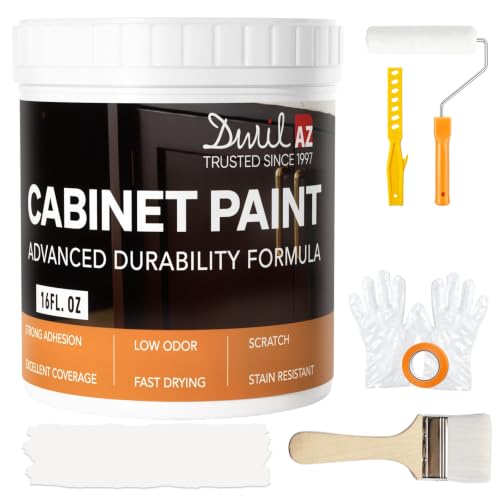
For most dressers, tables, cabinets, and chairs, use a water-based cabinet and furniture enamel. These paints dry harder than ordinary wall paint, level better, and resist sticking when doors or drawers are closed. Satin is the safest sheen for general furniture: it hides minor sanding marks better than semi-gloss and is easier to clean than flat paint.
Water-based enamel is also less troublesome than oil paint. It produces less odor, dries faster, and will not yellow as readily. The trade-off is that it can reveal poor preparation and may feel slightly soft for several days after it appears dry. Allow at least 3 to 7 days before normal use, and longer for tabletops or heavily handled pieces.
| Paint type | Best use | Main advantage | Main drawback |
|---|---|---|---|
| Water-based furniture or cabinet enamel | Most indoor furniture | Low odor, durable, easy cleanup | Needs careful prep and curing time |
| Oil-based enamel | Hard-wearing pieces and trim-like finishes | Flows well and cures hard | Strong odor, slow drying, possible yellowing |
| Chalk-style paint | Decorative, distressed furniture | Usually adheres well and sands easily | Needs protection and is less resistant to abuse |
| Spray paint | Small pieces, spindles, metal hardware | Very smooth finish on complex shapes | Expensive for large surfaces and easy to apply unevenly |
When chalk paint is worth considering
Chalk-style furniture paint is a practical choice when the piece will have a matte, vintage, or distressed appearance. It often tolerates imperfect surfaces better than a thin enamel, but it is not magic: glossy varnish, furniture wax, silicone polish, and greasy residue can still cause adhesion failure.
Chalk paint generally needs a protective topcoat for tables, desks, and frequently handled drawers. Wax is attractive but less resistant to standing water and abrasion than a water-based polyurethane or furniture topcoat. For a dining table or kitchen cabinet, a quality enamel is normally the better buy.
Prepare the stained finish before painting
First remove hardware, drawers, and doors. Label parts with painter’s tape so they return to the correct openings. Vacuum dust from joints, then wash the furniture with a degreasing cleaner. Pay special attention to drawer fronts, cabinet pulls, and areas touched by hands. Rinse if the cleaner requires it and let the wood dry completely.
Do not paint over wax or oily polish. A white cloth rubbed over the surface should come away clean rather than greasy or brown. If the piece has a heavy wax coating, mineral spirits may help remove it, but use ventilation, keep it away from ignition sources, and follow the product label. Let the solvent evaporate fully before sanding or priming.
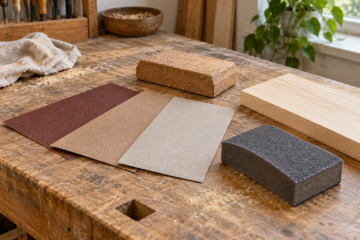
Scuff-sand with 180-grit paper, followed by 220 grit where a smoother finish is needed. The objective is to dull the sheen and create a mechanical key, not to remove all of the stain. Sanding through veneer is easy, especially on edges and corners. Use a sanding sponge by hand on profiles and stop when the surface has an even, dull appearance.
Repair dents with a compatible wood filler, let it dry, and sand it flush. If the existing finish is peeling, cracked, or flaking, remove the loose material first. Paint cannot stabilize a failing clear coat underneath it.
Use primer to prevent bleed-through and peeling
Primer is strongly recommended over stained wood. It improves adhesion and blocks dark stain from migrating into light paint. This is especially important with mahogany, cherry, walnut, red oak, and older furniture finished with unknown products. Tannin bleed may appear as yellow, brown, or pink discoloration through the paint.
For a general repaint, choose a bonding primer for furniture. If the stain is dark, red, oily, or known to bleed, use a stain-blocking primer instead. Water-based stain blockers have lower odor, but shellac-based primers are often more dependable against severe tannin and odor problems. Shellac primer dries quickly but requires strong ventilation and denatured-alcohol cleanup.
Apply one thin coat rather than one heavy coat. After it dries, inspect for raised grain, brush marks, or exposed stained areas. Lightly sand with 220 grit, remove dust, and apply a second primer coat when the first coat still shows uneven coverage.
Apply the paint without leaving ridges
Use a high-quality synthetic brush for edges and a short-nap microfiber or dense foam roller for broad panels. Thin coats are more durable than thick ones and are less likely to sag around corners. Most furniture enamels need two coats; dark colors, white over dark stain, and bright colors may need three.
Follow the label’s recoat time, commonly about 4 to 8 hours for water-based products. Do not judge the finish while the paint is wet. Lightly sand with 320 grit between coats only if the surface feels rough or contains dust nibs. Avoid aggressive sanding that exposes the primer or stained wood.
For a tabletop, cabinet door, or other high-wear surface, choose a paint specifically rated for cabinets or furniture. A cheaper interior wall paint can be fine for a decorative mirror frame or low-use accent table, but it is a false economy on a desk, dining table, or kitchen cabinet. Those surfaces need better hardness and scrub resistance.
Topcoat and curing considerations
Many modern furniture enamels are designed to be used without a separate clear coat. Adding one can change the sheen, create compatibility problems, or make touch-ups more difficult. If you need extra protection, use a compatible water-based furniture topcoat and test it on a hidden area first.
Keep painted parts separated while they cure. Reinstalling drawers too soon can make them stick, especially in humid conditions. Wait at least 72 hours for light use and about a week for demanding use; some products take 2 to 4 weeks to reach full hardness. The best paint will still fail if it is applied over grease, loose varnish, wax, or an uncured lower coat.
0 Comments