What's inside
As an Amazon Associate I earn from qualifying purchases. This post may contain affiliate links at no extra cost to you.
When you need to darken open-grain wood, gel stain and dye behave very differently. Gel stain sits mostly on the surface and adds color gradually. Dye penetrates the wood fibers and produces a cleaner, more transparent color, but it can also make uneven sanding and blotchy areas more obvious.
The better choice depends on the species, the amount of color change, and whether you need to hide mismatched boards. Oak, ash, walnut, mahogany, and open-grain softwoods can all respond differently. The finish you apply afterward matters just as much as the colorant.
As an Amazon Associate we earn from qualifying purchases at no extra cost to you.

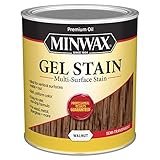
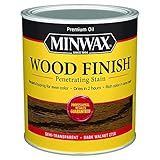

Our Top Picks
 Varathane Total Control Dark Walnut Gel StainHalf Pint (Pack of 1)2.88 x 2.88 x 2.97 inchesCheck on Amazon


How Gel Stain Works
Gel stain is a pigmented stain thickened with a binder. Its pudding-like consistency makes it easier to control than liquid penetrating stain. Instead of soaking deeply into the wood, it leaves a colored film and deposits pigment in the pores.
That makes gel stain useful for darkening open-grain wood without creating extreme color differences between earlywood and latewood. It is also a practical choice when boards have slightly different absorption rates. A heavy coat can make pale wood substantially darker, although very dark colors may begin to look painted rather than stained.
Apply gel stain with a lint-free cloth, foam brush, or short-bristle brush. Work in manageable sections, then wipe off the excess before it becomes sticky. A typical wipe-off window is about 2 to 10 minutes, depending on the product, temperature, and desired darkness. If you leave it too long, the surface may streak or remain soft under the clear coat.
For a controllable, forgiving option, compare gel wood stain products. The cheaper option is fine for a small project if you test it first and do not need an exact match across several pieces.
How Wood Dye Works
Wood dye dissolves into a liquid and penetrates the wood rather than leaving most of its color as surface pigment. It produces a transparent result that preserves figure and makes the grain look deeper. Dye is especially effective when you want to darken wood while keeping it visibly natural.
Dyes are available as powders or premixed liquids. Water-based dye gives you a longer working time and is easier to clean up, but it raises the grain. Alcohol-based dye dries faster and usually raises less grain, though it can create lap marks if you work slowly. Solvent-based dyes can offer a useful middle ground.
Dye tends to magnify sanding defects. A cross-grain scratch, glue smear, or unevenly sanded patch may absorb a different amount of color and stand out after the finish is applied. Sand consistently, usually to 150 or 180 grit for most open-grain hardwoods, and remove all glue residue before coloring.
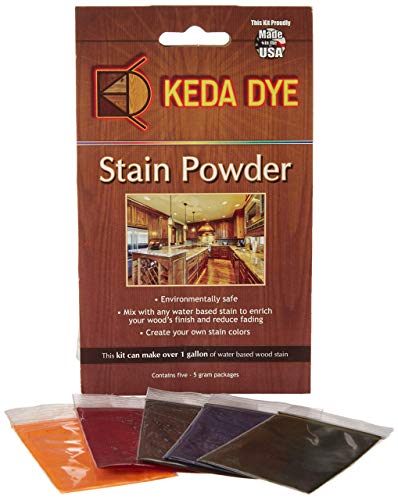
If you want a transparent, penetrating color, look at wood dye stain options. Dye is often the better buy for furniture-grade work, but only if you are willing to spend more time on preparation and testing.
Gel Stain vs. Dye: Key Differences
| Factor | Gel stain | Wood dye |
|---|---|---|
| Color location | Mostly surface and pores | Penetrates wood fibers |
| Grain appearance | Can mute or obscure figure | Usually keeps grain more transparent |
| Uneven boards | Better at visually evening them out | Often emphasizes absorption differences |
| Application speed | Moderate; must wipe evenly | Fast for alcohol or solvent types |
| Repairability | Often easier to blend locally | Touch-ups can leave halos or dark spots |
| Best use | Controlled darkening and color correction | Transparent, deep color on well-prepared wood |
Choosing by Wood Species
Red oak and white oak have large pores that accept dye readily. Dye can make the grain look dramatically darker, sometimes more than intended. Gel stain gives better control when you want a medium-brown result or need to reduce differences between boards.
Ash behaves similarly but often looks lighter and more open-grained. A dark dye can produce strong contrast. On walnut, dye can deepen faded areas, but gel stain may muddy the natural color if applied heavily. Mahogany generally benefits from dye when you want to preserve its figure and reddish depth.
Open-grain pine and other softwoods are less predictable. Dye may produce blotchy absorption, especially on flat-sawn boards. Gel stain is usually the safer choice for a uniform dark tone. A thin washcoat of dewaxed shellac can also reduce uneven absorption, but it will reduce penetration and change how dark the color becomes.
Preparation and Testing
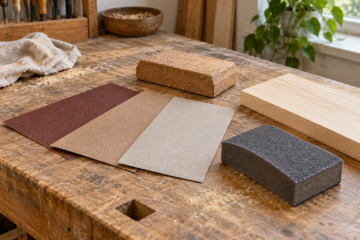
Sand the surface evenly and remove dust with a vacuum followed by a clean, dry cloth. Do not rely on sanding to remove glue. Dried glue should be scraped or carefully sanded away because both dye and gel stain will reveal it as a pale patch.
Make a sample on an offcut from the same board or on an inconspicuous area. Apply the complete schedule: sanding, colorant, and at least one coat of the intended clear finish. Many stains look lighter or duller before the topcoat, while some dyes become much richer under oil or lacquer.
For a dark result, build color in two or three thin applications rather than one overloaded coat. Allow the surface to dry fully between coats. Depending on the product, that may mean 4 to 24 hours. Rushing a clear coat over uncured gel stain is a common cause of wrinkling, sticking, and uneven gloss.
When a Toner Is Better
If the wood is already finished or you need to make a small color correction, neither dye nor gel stain may be ideal. A toner, which is finish containing a small amount of dye or pigment, can add a controlled layer of color without stripping the entire surface. Toner is useful for evening out multiple boards, but it requires spray equipment or very careful brushing and should be applied in thin coats.
For a simpler hybrid schedule, some finishers apply dye first for depth, then a thin sealer coat, followed by gel stain or a tinted clear coat. This can create a dark, dimensional color, but it also increases the risk of over-darkening. Test the full sequence before committing to a tabletop or cabinet.
The Practical Buying Decision
Choose gel stain when you value control, are working with mixed boards, or need to darken pine and other unevenly absorbing wood. Choose dye when the wood is well sanded, the grain is attractive, and you want the deepest transparent color.
Buy the cheaper gel stain for a small utility project, trim, or a piece where a slightly less natural appearance is acceptable. Spend more time—and possibly more money—on dye when the project is fine furniture and the grain is part of the design. In either case, the test board is not optional: it is the quickest way to prevent an entire project from becoming too dark, too red, or visibly blotchy.
0 Comments